Thrive Monthly

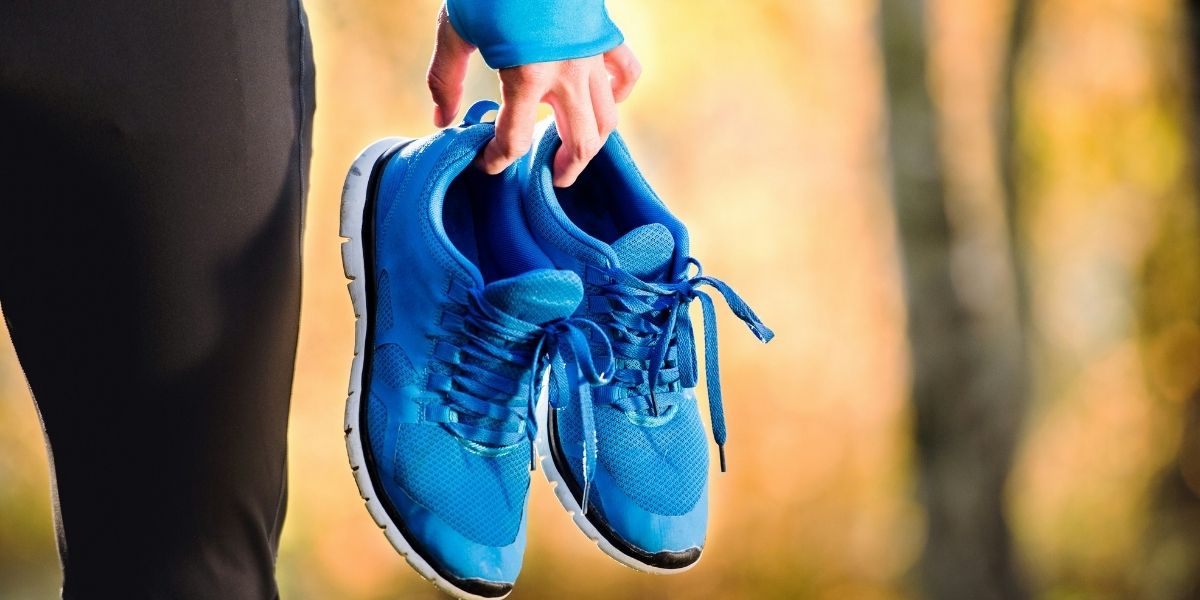
Find the Perfect Workout Shoes for Your Exercise Needs

Choosing the Right Workout Shoes for Optimal Performance

Selecting the appropriate workout shoes is crucial for enhancing performance and preventing injuries during various fitness activities. The right footwear provides the necessary support, stability, and comfort tailored to specific exercises, ensuring an effective and safe workout experience.

Read Also: Achieving Your Muscle-Building Goals: A Complete Fitness Guide

Why Are Proper Workout Shoes Essential?

Wearing shoes designed for specific workouts offers several benefits. Proper footwear reduces the risk of injuries by providing adequate support and cushioning. It enhances performance by improving efficiency and effectiveness. Well-fitted shoes also prevent discomfort, allowing longer and more enjoyable workout sessions.

What Factors Should You Consider When Selecting Workout Shoes?

When choosing the ideal workout shoes, several factors must be considered. Different exercises require specific shoe features. Running shoes are designed for forward motion and cushioning, while cross-training shoes offer lateral support for activities like aerobics or weightlifting. Understanding your foot’s arch and gait can help in selecting shoes that provide the necessary support. The fit and comfort of the shoe should be prioritized, ensuring enough room in the toe box and a snug heel. High-quality materials and construction enhance the shoe’s lifespan, especially under rigorous use.

Top Workout Shoes to Consider

Nike Metcon 9 is an excellent choice for versatile training, including weightlifting and high-intensity workouts. It offers enhanced stability with a heel plate, a wide toe box for comfort, and a rubber rope guard for protection during climbs. It provides excellent support and versatility, though it may be too wide for some users.

Reebok Nano X5 is ideal for strength training and CrossFit. It features a comfortable design with immense stability and is suitable for various workouts. The stylish silhouette and well-built structure make it a preferred choice, but it has a slightly loose fit around the ankle and is heavier than some alternatives.

Under Armour TriBase Reign 4 is best for high-impact activities like HIIT training. It provides great stability, excellent grip, and cushioning for impact work. The wide toe box is ideal for lifting, and it offers good value for money, although it is not suitable for longer cardio sessions.

Hoka Clifton 9 is perfect for running and walking. The lightweight construction with EVA foam cushioning and an ergonomic sole design ensures comfort and support, reducing the risk of injury. However, it may not provide enough stability for heavy lifting.

Puma Fuse 3.0 is designed for weightlifting. It features a firm, stable base with a flat heel, making it a great option for lifting exercises. It provides excellent support during heavy lifts but is not ideal for cardio exercises.

How to Maintain Your Workout Shoes

Proper maintenance extends the life of workout shoes and keeps them in optimal condition. Regular cleaning removes dirt and sweat, preventing material degradation. Air drying is recommended instead of using direct heat sources, which can damage the shoe structure. Rotating between multiple pairs helps reduce wear and tear, allowing each pair to recover between uses. Timely replacement of shoes is essential when they show signs of significant wear or decreased support, ensuring continued comfort and performance.

Read Also: Mindful Fitness: Yoga and Pilates for Women’s Well-Being

Investing in the right workout shoes is essential for achieving fitness goals safely and effectively. Considering the type of activity, foot characteristics, and shoe features helps in selecting footwear that enhances performance and comfort. Regular maintenance further ensures longevity, making the investment worthwhile.

Embracing Body Positivity: Empowering Women to Love Themselves

The Essence of Body Positivity

In a society that often perpetuates unrealistic beauty standards, the movement towards body positivity has gained significant traction, especially among women. Embracing one’s body and fostering a culture of self-love are pivotal in challenging societal norms and promoting a positive body image.

Body positivity encourages women to celebrate their diverse shapes, sizes, and appearances. It challenges the conventional notions of beauty by emphasizing that every body is unique and deserving of acceptance. This shift in perspective aims to dismantle harmful stereotypes and foster a more inclusive environment for women of all backgrounds.

The influence of social media on body image cannot be understated. Platforms like Instagram and TikTok have become powerful tools for promoting body positivity but also present challenges. While they can be empowering, they also contribute to the unrealistic portrayal of beauty. Navigating this digital landscape requires a conscious effort to curate a positive and diverse online space.

Various organizations and movements champion the cause of body positivity, providing support and resources for women navigating their journey towards self-love. From online communities to local support groups, these networks play a crucial role in fostering a sense of belonging and encouraging women to embrace their bodies without judgment.

The Impact on Mental Health

The positive effects of body positivity on mental health extend far beyond mere self-esteem. In a society that often places immense pressure on women to conform to specific beauty standards, the mental health implications are profound. By challenging these societal expectations, the body positivity movement becomes a powerful force in alleviating the psychological burdens imposed on women.

The constant bombardment of unrealistic beauty ideals, perpetuated through media and cultural norms, can contribute to conditions such as anxiety, depression, and eating disorders. Embracing body positivity becomes a form of self-care, offering a shield against these detrimental mental health challenges. When women feel empowered to embrace their bodies without conforming to unrealistic standards, they experience a significant boost in their mental well-being.

Furthermore, body positivity serves as a preventative measure against the development of negative body image issues. By instilling these values from a young age, children and adolescents are equipped with the resilience to navigate societal pressures. Schools, families, and communities, therefore, play a pivotal role in fostering an environment that promotes mental health through the lens of body positivity.

The educational system can integrate programs that emphasize self-love, acceptance, and diversity, creating a foundation for future generations to build upon. Families can actively engage in open discussions surrounding body image, cultivating an atmosphere that encourages positive self-perception. Communities can organize events and initiatives that celebrate diverse body types, reinforcing the message that beauty comes in various forms.

In essence, the journey towards body positivity emerges as a multifaceted approach, impacting mental health at various stages of life. By challenging societal norms, fostering a supportive community, and instilling positive values from a young age, the movement paves the way for a generation of women who not only redefine beauty but also prioritize their mental well-being in the face of societal expectations. As the momentum of the body positivity movement continues to grow, so too does its potential to create a lasting and positive impact on the mental health landscape for women.

Unlocking Everyday Strength: The Basics of Functional Fitness

What is Functional Fitness?

In the world of fitness, there’s a buzz about something called “functional fitness.” But what does it really mean, and how can it benefit you in your daily life? Let’s dive into the basics of functional fitness – a simple yet powerful approach to exercise that goes beyond the gym and into the activities you do every day.

Functional fitness is about more than just looking good in the mirror or lifting heavy weights. It’s about training your body to handle the real-life movements you encounter regularly – from lifting groceries to bending down to tie your shoes. In essence, it’s about making your body work better for you in everyday situations.

At the heart of this fitness journey is the focus on building a strong and stable core. Your core isn’t just your abs; it includes muscles around your back, hips, and pelvis. These muscles work together to support your spine and provide a solid foundation for movement.

Everyday Movements Matter

Unlike some workout routines that isolate specific muscles, it emphasizes compound movements that mimic activities you do in your daily life. Squats, lunges, and pushing and pulling exercises are examples of functional movements that engage multiple muscle groups simultaneously.

While traditional workouts might focus on aesthetics, functional fitness is more about how your body performs. It helps improve your balance, flexibility, and coordination – crucial elements for navigating the physical demands of daily activities.

You don’t need fancy gym equipment to embrace this workout routine. Simple bodyweight exercises like squats, planks, and lunges can be done at home. These movements mimic the activities you do around the house, making your workouts practical and accessible.

Real-Life Examples

Let’s break it down with a few real-life examples of how functional fitness can make a difference:

  1. Lifting Groceries:
    • Functional fitness helps you strengthen the muscles you use when carrying heavy bags of groceries, making the task easier and less strenuous.
  2. Climbing Stairs:
    • Exercises like lunges and step-ups improve leg strength, making stair climbing a breeze.
  3. Playing with Kids:
    • Functional fitness enhances your ability to move and play with your kids, whether it’s running around the park or picking them up.
  4. Gardening:
    • Squats and bending exercises improve flexibility and strength for activities like gardening.

The beauty of functional fitness is its adaptability. It’s suitable for people of all ages and fitness levels. Whether you’re a young professional, a parent, or a retiree, incorporating functional movements into your routine can enhance your overall well-being.

Getting Started

  1. Bodyweight Exercises:

    • Start with basic bodyweight exercises like squats, lunges, and push-ups.
  2. Balance and Stability:

    • Include exercises that challenge your balance, such as standing on one leg or incorporating stability exercises with a balance ball.
  3. Functional Training Tools:

    • Consider using functional training tools like resistance bands, stability balls, or kettlebells to add variety to your workouts.
  4. Stay Consistent:

    • Consistency is key. Aim for regular, short sessions rather than sporadic, intense workouts.

Functional fitness is a practical and achievable approach to exercise that goes beyond the gym’s confines. By incorporating movements that mimic real-life activities, you not only improve your physical performance but also make your day-to-day tasks more manageable. So, let’s step away from the complicated routines and embrace the simplicity and effectiveness of functional fitness – making everyday strength a part of our lives.

Why Cycling Is the New Fitness Trend You Should Try

Cycling, whether indoors or outdoors, has become an increasingly popular fitness activity. With more people seeking ways to improve their health, cycling has emerged as a versatile and effective choice for individuals looking to stay active and maintain a healthy lifestyle. From the streets to specialized indoor studios, the cycling community is expanding, and with it, the variety of cycling options available to enthusiasts of all levels.

Why Is Cycling Becoming a Preferred Fitness Activity?

Cycling is gaining momentum as a fitness trend for several reasons. For many, the appeal of cycling lies in its ability to offer a full-body workout that is both efficient and enjoyable. Unlike some other forms of exercise that may feel monotonous, cycling can be an exciting and dynamic activity. Whether it’s riding on a scenic mountain trail or participating in a high-energy indoor cycling class, the possibilities for engagement are endless.

One of the key factors contributing to cycling’s rise is its accessibility. Unlike sports that require specific skills or expensive equipment, cycling is relatively easy to get started with. For outdoor cycling, all you need is a bike and a safe route, which makes it an ideal exercise for individuals at all fitness levels. Whether a beginner or an experienced rider, cycling can be adjusted to fit one’s personal fitness goals and preferences.

For indoor cycling enthusiasts, the growth of spin classes and cycling gyms has also contributed to the sport’s popularity. These high-intensity workouts, set to motivating music, offer a full-body workout that combines cardiovascular benefits with strength training. With indoor cycling, participants don’t have to worry about weather conditions or navigating busy streets, which makes it a convenient option for those with a hectic schedule.

Cycling is low-impact, making it a great choice for individuals who want to minimize the strain on their joints while still reaping the benefits of a robust cardiovascular workout. Whether you’re recovering from an injury or looking for a way to stay fit without the stress on your knees, cycling is a great alternative to higher-impact activities like running.

How Does Cycling Benefit Your Health and Wellness?

Cycling offers numerous health benefits that go beyond just fitness. Regular cycling improves cardiovascular health, strengthens muscles, and enhances mental well-being. Research indicates that cycling can lower the risk of heart disease by improving circulation and boosting overall endurance. With consistent cycling, individuals can expect improved lung function, a lower resting heart rate, and enhanced blood circulation.

In addition to physical health benefits, cycling also has significant mental health advantages. The rhythm and repetition of pedaling can be a form of meditation for many riders. Outdoor cycling, in particular, provides the added benefit of fresh air and the opportunity to connect with nature. For many people, this time spent outdoors is a chance to clear the mind, reduce stress, and promote emotional well-being.

Indoor cycling classes, on the other hand, offer a different kind of mental stimulation. The fast-paced environment and upbeat atmosphere of spin classes create a positive and motivating space for individuals. Group settings also foster a sense of community, which can lead to improved mental health by providing social connections and a sense of accountability.

Cycling is also an excellent exercise for weight management and fat burning. It engages large muscle groups, helping individuals burn calories efficiently. Depending on the intensity and duration of the cycling session, it can serve as a great way to shed extra pounds while toning the legs, glutes, and core. The combination of aerobic and anaerobic exercise makes cycling an efficient way to achieve overall fitness goals.

How Has Indoor Cycling Gained Popularity?

While outdoor cycling is deeply rooted in the tradition of fitness, the surge in popularity of indoor cycling has taken the fitness world by storm in recent years. One of the driving forces behind this trend is the convenience that indoor cycling offers. For people living in cities or areas where weather can be unpredictable, indoor cycling presents a way to enjoy the benefits of cycling year-round without leaving the comfort of a gym or home.

The rise of high-tech indoor cycling equipment has made the activity even more appealing. Brands like Peloton and SoulCycle have transformed cycling into a premium, interactive experience. These platforms provide access to live and on-demand classes, allowing participants to follow along with expert instructors while tracking their progress through apps and online metrics. This integration of technology has made cycling not only a fitness activity but also a form of entertainment, where riders are motivated by music, challenges, and a community of fellow participants.

Indoor cycling has also gained traction because of its appeal to individuals who enjoy group workouts. Classes at gyms or cycling studios often provide a motivating atmosphere that encourages participants to push their limits. With a focus on rhythm and energy, many find that indoor cycling is an effective way to get in shape while having fun. The excitement of being part of a group workout, along with the encouragement of an instructor, helps riders stay committed to their fitness journey.

Another aspect contributing to the popularity of indoor cycling is its flexibility. While some indoor cycling classes are intense and geared towards experienced athletes, others cater to beginners or those looking for a more moderate workout. This range of intensity levels makes indoor cycling an inclusive activity for a wide variety of fitness enthusiasts.

What Are the Key Trends Shaping the Future of Cycling?

The cycling industry is experiencing continuous growth and innovation. As cycling becomes more mainstream, new trends are shaping the way people approach the activity. One notable trend is the rise of electric bikes (e-bikes). These bikes provide an extra boost of power to riders, making them more accessible to people who may struggle with hills or long distances. E-bikes have made cycling even more inclusive, allowing people of varying fitness levels to participate in the activity.

Another trend is the development of smart cycling gear. Cyclists now have access to a variety of tools and gadgets that help enhance their performance. From GPS navigation systems to heart rate monitors and power meters, these smart devices allow cyclists to track their progress and optimize their workouts. The increased availability of these high-tech products is elevating the cycling experience and making it more data-driven.

Sustainability is another important trend in the cycling community. With more people becoming environmentally conscious, many are turning to cycling as a way to reduce their carbon footprint. Bikes, which do not require fuel or emit harmful pollutants, are an eco-friendly alternative to driving, especially for short trips. This focus on sustainability has been further supported by cities and local governments promoting cycling infrastructure, such as bike lanes and bike-sharing programs.

The sense of community surrounding cycling is growing. Whether in the form of online forums, local cycling clubs, or social media groups, cyclists are finding new ways to connect, share experiences, and motivate one another. This social aspect of cycling contributes to its appeal, making it not just an individual fitness activity, but also a collective experience.

The Enduring Appeal of Cycling

As cycling continues to grow in popularity, its appeal remains strong across both indoor and outdoor settings. With its numerous health benefits, versatility, and increasing accessibility, cycling is well on its way to becoming a cornerstone of fitness routines worldwide. Whether in the open air or the comfort of a spinning studio, cycling offers something for everyone, making it a preferred fitness activity for people of all ages and fitness levels.

Discovering Yoga: Physical and Mental Benefits Explored

How Does Yoga Benefit Physical Health?

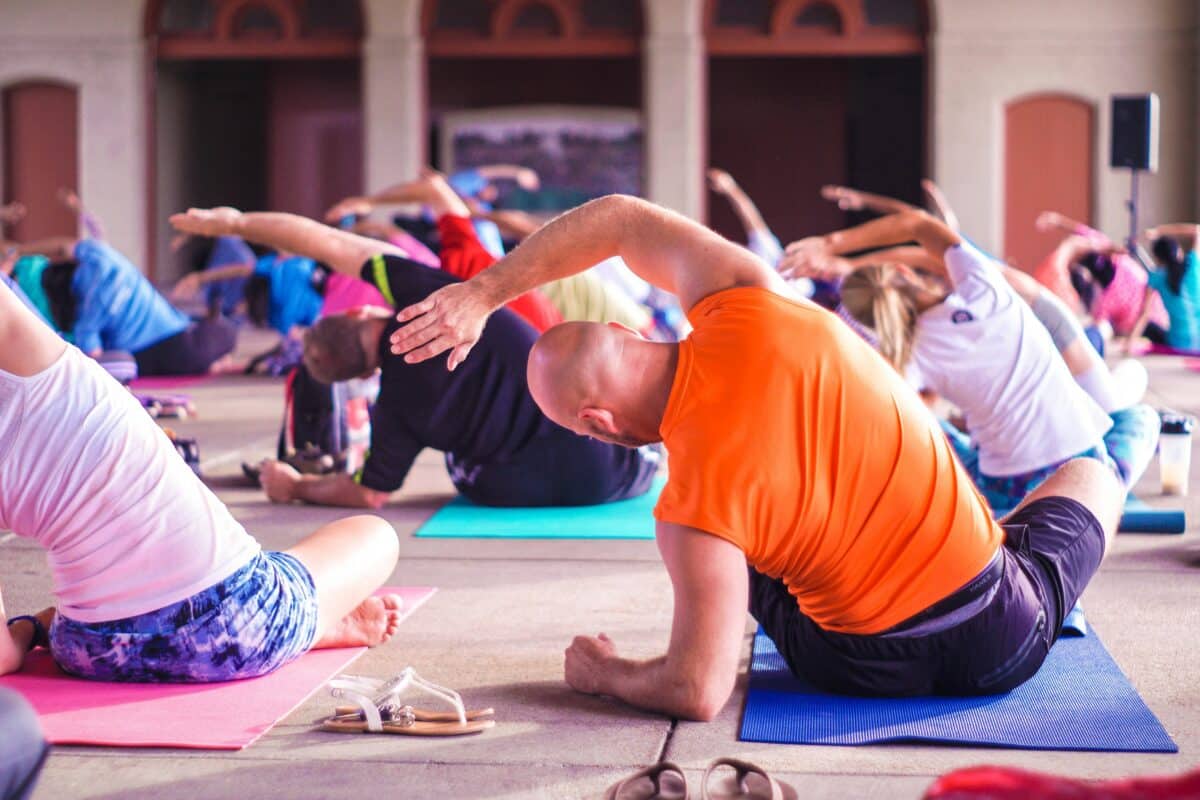
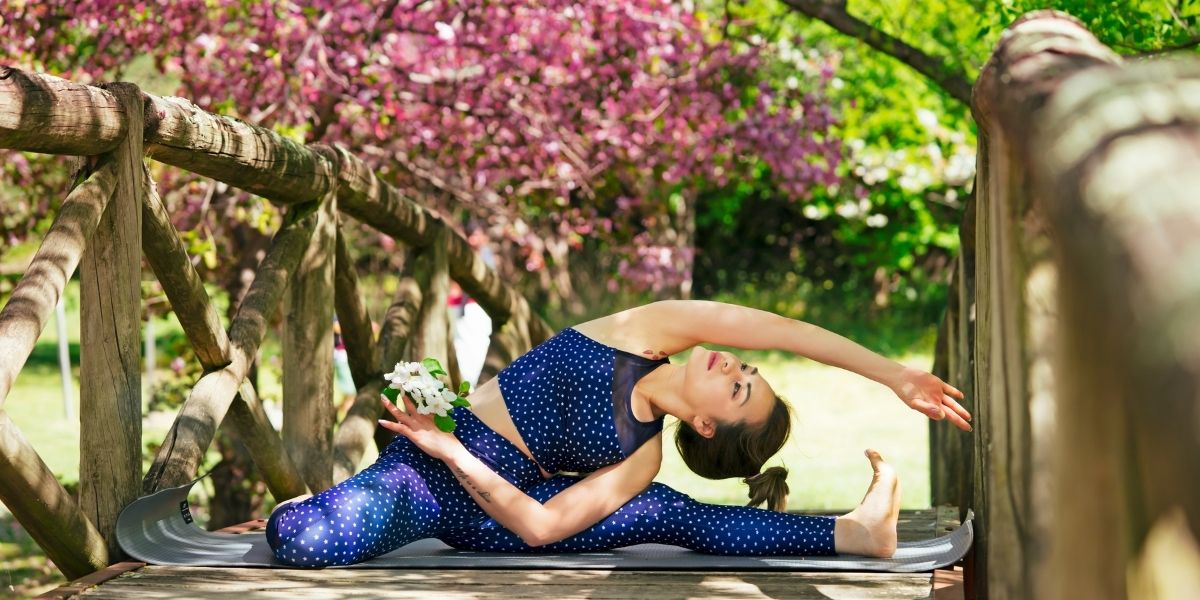
Yoga has become a popular choice for individuals seeking to enhance their physical health. The practice of yoga involves a series of postures and movements that aim to improve flexibility, strength, and balance. Regular practice can lead to increased muscle tone and improved posture, which are crucial for overall physical well-being.

One of the most significant physical benefits of yoga is its ability to enhance flexibility. The various postures, known as asanas, stretch different muscle groups, helping to increase the range of motion and reduce stiffness. This increased flexibility can prevent injuries and improve daily physical activities.

Yoga is also known for its ability to build strength. Many yoga poses require you to support your body weight in new ways, including balancing on one leg or supporting yourself with your arms. These poses can help strengthen the muscles, particularly those in the core, arms, and legs.

Another important aspect of yoga is its focus on balance. Practicing balance poses, such as Tree Pose or Warrior III, can enhance your stability and coordination. Improved balance is especially beneficial as we age, helping to prevent falls and maintain mobility.

In addition to these benefits, yoga has been shown to improve cardiovascular health. Certain styles of yoga, such as Vinyasa or Power Yoga, provide a cardiovascular workout by incorporating continuous movement and dynamic sequences. This can help increase your heart rate, improve circulation, and boost overall cardiovascular fitness.

What Are the Mental Health Benefits of Yoga?

Beyond its physical advantages, yoga offers a range of mental health benefits. One of the primary mental health benefits of yoga is its ability to reduce stress. The combination of physical movement, breath control, and meditation techniques helps to calm the mind and promote relaxation.

Yoga encourages mindfulness, which involves being present in the moment and fully engaging with your practice. This focus on the present can help reduce anxiety and worry about the future or past. By concentrating on your breath and movements, you can create a sense of calm and inner peace.

Practicing yoga regularly can also improve mental clarity and concentration. The meditative aspects of yoga, such as focusing on your breath or holding a pose, require concentration and mental discipline. Over time, this can translate into improved focus and mental sharpness in daily life.

Yoga has also been shown to enhance mood and emotional well-being. The practice of yoga can stimulate the production of endorphins, which are hormones that create feelings of happiness and contentment. Additionally, yoga can help regulate the body’s stress response, reducing levels of cortisol, the stress hormone.

For individuals dealing with depression or anxiety, yoga can be a valuable tool in managing symptoms. The combination of physical activity, relaxation techniques, and mindfulness can help alleviate symptoms and promote a sense of overall well-being.

Why Are Online Yoga Classes Gaining Popularity?

In recent years, online yoga classes have become increasingly popular. The convenience and accessibility of online classes allow more people to incorporate yoga into their daily routines. Whether you’re a beginner or an experienced practitioner, online classes offer a range of options to suit your needs.

One of the main advantages of online yoga classes is their flexibility. You can choose when and where to practice, making it easier to fit yoga into a busy schedule. This flexibility is particularly beneficial for those with demanding jobs, family responsibilities, or other commitments.

Online classes also provide access to a variety of instructors and styles. You can explore different types of yoga, such as Hatha, Ashtanga, Yin, or Restorative Yoga, from the comfort of your home. This variety allows you to find the style and instructor that best suits your preferences and goals.

For beginners, online classes can be less intimidating than attending in-person classes. The ability to practice in a private space can help you build confidence and develop your practice at your own pace. Additionally, many online platforms offer tutorials and beginner-friendly classes, making it easy to get started.

Online yoga classes often come with interactive features, such as live streaming, chat functions, and virtual communities. These features allow you to connect with instructors and other practitioners, creating a sense of community and support. This social aspect can enhance motivation and make the practice more enjoyable.

Moreover, online classes can be a cost-effective option. Many platforms offer subscription plans or pay-per-class options, which can be more affordable than traditional studio memberships. This affordability makes yoga accessible to a broader audience, allowing more people to experience its benefits.

As technology continues to advance, the popularity of online yoga classes is likely to grow. The combination of convenience, variety, and affordability makes them an attractive option for individuals looking to improve their physical and mental well-being through yoga.

Master Functional Fitness for Strength and Mobility

Fitness trends come and go, but functional fitness has proven to be more than just a passing fad. Unlike traditional workouts that focus solely on aesthetics, functional fitness emphasizes exercises that mimic real-life movements, such as lifting, carrying, and jumping. These workouts enhance strength, balance, and mobility, preparing your body to handle the physical challenges of daily life more effectively. Whether you’re a fitness enthusiast or simply looking to improve your overall well-being, functional fitness offers a practical and sustainable approach to staying active.

What Is Functional Fitness, and Why Is It Important?

Functional fitness is a form of exercise designed to train your body for everyday activities. Unlike traditional gym workouts that isolate specific muscle groups, functional exercises focus on multi-joint, compound movements that engage multiple muscle groups simultaneously. This approach helps build coordination, flexibility, and core strength, which are essential for performing daily tasks with ease.

For example, lifting a heavy grocery bag or playing with your kids involves a range of motions that functional fitness replicates. By incorporating natural movements, such as squats, lunges, and overhead presses, functional fitness ensures that your workouts have real-world applications. This type of training can reduce the risk of injury, improve posture, and enhance overall body efficiency.

Functional fitness is not limited to athletes or fitness experts—it’s suitable for people of all ages and fitness levels. Whether you’re an office worker looking to alleviate back pain or a parent chasing after toddlers, these exercises can help you move better and feel stronger.

What Are the Core Components of Functional Fitness?

Functional fitness workouts are designed to improve several key physical abilities that are essential for daily living. Each component targets specific aspects of fitness to ensure a well-rounded approach:

Strength: Building strength is a cornerstone of functional fitness. Exercises like deadlifts and push-ups mimic the lifting and pushing motions you use in everyday life. These movements target major muscle groups, including your core, arms, and legs, making daily tasks like carrying groceries or lifting objects more manageable.

Balance and Stability: Many functional fitness routines include exercises that challenge your balance, such as single-leg squats or plank variations. Improved balance reduces the risk of falls and enhances your ability to stabilize yourself during dynamic movements.

Flexibility and Mobility: Functional fitness emphasizes dynamic stretching and mobility drills, which improve your range of motion. Movements like hip hinges and arm circles help loosen stiff joints and prepare your body for more complex activities.

Cardiovascular Endurance: While functional fitness prioritizes strength and mobility, it often incorporates elements of cardio. Movements like burpees or jumping jacks get your heart rate up, improving overall endurance and energy levels.

By addressing these components, functional fitness ensures a holistic workout that prepares your body for anything life throws your way.

How Can You Incorporate Functional Fitness Into Your Routine?

Getting started with functional fitness doesn’t require expensive equipment or a gym membership. Many exercises rely on body weight or minimal equipment, making them easy to perform at home or outdoors. Here are a few functional exercises to include in your routine:

Squats: This classic movement strengthens your legs and glutes while mimicking the motion of sitting and standing. To increase difficulty, try holding a weight or performing jump squats.

Deadlifts: This exercise targets your lower back, hamstrings, and glutes, simulating the act of picking up heavy objects safely.

Lunges: Perfect for improving balance and stability, lunges also strengthen your lower body and enhance coordination.

Farmer’s Carry: Grab a pair of weights (or heavy household items) and walk a short distance. This exercise replicates carrying groceries or moving heavy items, building grip strength and core stability.

Box Jumps: Jumping onto a sturdy platform builds explosive strength and improves coordination, which can be useful for activities like climbing stairs or navigating uneven terrain.

The key to functional fitness is focusing on quality over quantity. Perform each exercise with proper form to maximize benefits and minimize the risk of injury.

How Does Functional Fitness Improve Everyday Life?

The benefits of functional fitness extend far beyond the gym. By targeting the muscles and movements you use daily, functional workouts help you feel more confident and capable in everyday tasks. For example:

Lifting heavy objects: Exercises like deadlifts prepare your body to lift items with proper technique, reducing strain on your back.

Carrying groceries: Farmer’s carries improve grip strength and endurance, making it easier to manage heavy bags.

Climbing stairs or hills: Movements like lunges and box jumps enhance lower-body strength and stability.

Improving posture: Core-focused exercises help combat the effects of sitting for long hours, alleviating back pain and enhancing posture.

Functional fitness also has mental benefits, as improved physical performance can boost your confidence and energy levels. Knowing that your body is prepared for real-world challenges fosters a sense of empowerment and independence.

How to Stay Consistent With Functional Fitness

Consistency is key to seeing results with functional fitness. To stay motivated, focus on setting realistic goals that align with your lifestyle. Incorporating variety into your routine can also keep workouts exciting and prevent burnout. For example, alternate between strength-based exercises and mobility drills to ensure a balanced approach.

Working with a fitness app or trainer who specializes in functional fitness can provide structure and accountability. Many online platforms offer guided routines tailored to your fitness level, helping you progress safely and effectively.

By making functional fitness a part of your routine, you’ll not only enhance your physical abilities but also improve your overall quality of life.

Quick Fitness Routines for Busy Individuals

Fitness is often the first thing to be sidelined when life becomes busy. With demanding work schedules, family commitments, and a never-ending to-do list, finding time to exercise can feel impossible. However, staying active is crucial for both physical and mental health. People who lead busy lives are increasingly searching for effective ways to incorporate fitness into their routine without feeling overwhelmed. Understanding how to manage fitness for busy people can make all the difference in staying healthy and energized.

Why is Fitness Important for Busy People?

Maintaining fitness is more than just about looking good. It’s about feeling good, having the energy to handle your day, and staying strong as you juggle responsibilities. Exercise has proven benefits for mental health, including reducing stress and improving mood. For those with tight schedules, it might seem daunting, but even small amounts of physical activity can have a positive impact. It’s about setting realistic goals that fit into a demanding lifestyle, without overwhelming yourself.

Creating Efficient Fitness Routines

When time is limited, workouts need to be efficient. Busy individuals often need fitness plans that allow them to maximize benefits in a short amount of time. High-Intensity Interval Training (HIIT) has gained popularity for this reason. HIIT workouts are short but intense and provide the same, if not better, benefits as longer, traditional exercises. These workouts can be done in as little as 15 to 30 minutes, making them ideal for people with tight schedules.

For those who struggle with time, home workouts can also be a game-changer. No need for a gym membership or commute. You can perform bodyweight exercises such as push-ups, squats, and planks at home, during breaks, or even while watching TV. The key is consistency, even if the sessions are brief.

Incorporating Movement Throughout the Day

It’s not always necessary to carve out a 30-minute session for exercise. Fitness for busy people can also be about incorporating movement into your daily activities. For instance, taking the stairs instead of the elevator, walking or biking to work, or standing while on calls are simple ways to stay active. These small actions might not seem like much, but they add up throughout the day and can significantly contribute to overall fitness.

If you have a sedentary job, consider setting an alarm to remind yourself to get up and move every hour. Doing so not only helps your body stay active but also reduces the risks associated with prolonged sitting.

Mental Health and Motivation for Fitness

Staying motivated can be the hardest part of any fitness routine, especially when life gets busy. Mental health plays a huge role in maintaining physical fitness. One of the biggest challenges for people with busy lives is stress. Exercise can be a powerful stress reliever, and the endorphins released during physical activity can help reduce anxiety and depression.

For busy people, the mental hurdle often comes from feeling like they don’t have time. But reframing exercise as a form of self-care and stress relief, rather than an obligation, can be a helpful shift in mindset. Recognizing the emotional benefits of exercise can motivate people to stick with their routines, even on the busiest days.

Practical Tips for Staying on Track

No one is immune to the pressures of time, but there are a few practical tips that can help even the busiest individuals stay on track with their fitness goals. Start by setting realistic goals that fit within your daily schedule. Rather than aiming for a perfect workout, focus on consistency. Something is always better than nothing. Try to schedule workouts as you would a meeting or appointment. Block off specific times in your day to exercise and treat it as non-negotiable.

Finding a fitness buddy or a support system can also boost motivation. When life gets hectic, having someone to share the journey with can make all the difference. Whether it’s a friend, coworker, or family member, having someone who encourages you can make staying active feel less like a chore and more like a shared goal.

How to Balance Fitness with Other Life Commitments

For many, balancing fitness with work, family, and social commitments is one of the biggest challenges. Finding time to exercise may feel impossible, especially for parents or individuals with busy jobs. The key to balancing fitness with other life commitments lies in planning and prioritization. It’s important to schedule your workouts ahead of time, even if they are brief. If possible, combine social activities with exercise, like going for a walk with a friend or playing a family sport.

For those with families, involving kids in activities can make fitness a family affair. Whether it’s a game of soccer in the park or a dance session in the living room, exercise doesn’t have to be an isolated activity. Making it a group effort not only helps maintain fitness but also strengthens family bonds.

The Role of Nutrition in a Busy Fitness Routine

Nutrition is another vital component of maintaining a healthy lifestyle, especially when balancing a hectic schedule. Eating healthy can be challenging when time is tight, but planning meals in advance can make a significant difference. Quick and healthy options like smoothies, salads, and protein-packed snacks are great for busy people on the go.

Eating balanced meals fuels the body and supports workouts by providing the necessary energy for optimal performance. Skipping meals or eating unhealthy food may lead to sluggishness, making it harder to stay active. In short, a well-balanced diet enhances overall fitness and energy levels.

Fitness Doesn’t Have to Be Perfect

One of the most important lessons in fitness for busy people is that it doesn’t have to be perfect. It’s easy to become discouraged if you miss a workout or don’t have the time for a long session. But every little bit counts. Fitting in a quick workout or simply taking the stairs adds up over time. The goal is not perfection, but consistency. As long as you’re moving and taking care of your body, you’re on the right track.

Embracing Body Diversity

Understanding Different Body Types to Love Your Own

In a world that often glorifies one narrow definition of beauty, it’s essential to recognize and celebrate the diverse range of body types that exist. Each individual possesses a unique physique shaped by genetics, lifestyle, and personal factors. By understanding and appreciating the beauty of different body types, we can learn to love and embrace our own bodies more fully. Here’s a closer look at various body types and why they all deserve to be celebrated:

Ectomorph

Ectomorphs are characterized by a lean and slender build with long limbs and a fast metabolism. They often find it challenging to gain weight or build muscle, but they tend to excel in endurance-based activities like running and cycling. While society may idealize a more muscular or curvaceous body type, ectomorphs should embrace their unique physique and appreciate the strength and agility that comes with their lean frame.

Mesomorph

Mesomorphs are often described as having a muscular and athletic build, with well-defined muscles and a naturally balanced physique. They tend to gain muscle mass and strength relatively easily and may excel in sports that require power and agility. While mesomorphs may conform more closely to societal beauty standards, it’s essential for them to recognize that beauty comes in all shapes and sizes, and their muscular build is just as worthy of admiration as any other body type.

Endomorph

Endomorphs typically have a softer and more rounded body shape, with a tendency to store fat more easily. They may struggle with weight management and find it challenging to maintain a slim figure, but they often possess strength and resilience that goes beyond physical appearance. Endomorphs should embrace their curves and appreciate the unique beauty and strength that comes with their body type.

Pear-Shaped

Pear-shaped individuals carry more weight in their hips, thighs, and buttocks, giving them a classic pear silhouette. While society may place a higher value on a more “hourglass” figure, pear-shaped individuals should celebrate their curves and recognize the beauty and femininity of their body shape. Embracing clothing styles that accentuate their waist and flatter their lower body can help pear-shaped individuals feel confident and comfortable in their own skin.

Apple-Shaped

Apple-shaped individuals carry more weight around their midsection, with less definition in the waist and a broader torso. While this body type may be less commonly represented in mainstream media, apple-shaped individuals should embrace their unique physique and appreciate the strength and vitality that comes with it. Choosing clothing styles that highlight their assets and create balance in their silhouette can help apple-shaped individuals feel more confident and empowered.

Hourglass

Hourglass figures are characterized by a well-defined waistline and proportionate bust and hips, creating a classic hourglass shape. While hourglass figures are often celebrated in popular culture, individuals with this body type may still struggle with body image issues and self-doubt. It’s essential for hourglass-shaped individuals to recognize that beauty comes in many forms and to appreciate the unique qualities of their own body shape.

Ultimately, embracing body diversity means celebrating the unique beauty of every individual, regardless of their shape, size, or appearance. Whether you’re an ectomorph, mesomorph, endomorph, pear-shaped, apple-shaped, hourglass, or any other body type, you deserve to love and appreciate your body for all that it is. By rejecting unrealistic beauty standards and embracing body positivity, we can create a more inclusive and accepting society where everyone feels valued and respected for who they are.

Understanding and appreciating different body types is essential for fostering self-love and body acceptance. By celebrating the diversity of human bodies and rejecting narrow beauty standards, we can create a culture of inclusivity and empowerment where everyone feels comfortable and confident in their own skin. So let’s embrace our unique bodies, celebrate our individuality, and spread love and acceptance to ourselves and others.

Yoga Through Time: A Journey from Ancient Practice to Global Wellness

The History of Yoga: Tracing the Roots of an Ancient Practice

Yoga is one of the world’s most ancient and enduring practices, offering benefits that extend far beyond just flexibility and physical fitness. With its origins deeply rooted in ancient India, yoga has evolved through centuries, influencing cultures and spiritual traditions across the globe. Today, it has become a mainstream practice enjoyed by millions for its mental, physical, and spiritual benefits. However, to truly appreciate yoga’s significance today, it’s important to understand its origins and the journey it has taken throughout history.

Read Also: From Bean to Bar: Understanding the History and Science of Chocolate

The Ancient Beginnings of Yoga

Yoga’s roots can be traced back over 5,000 years to ancient Indian civilization. The word “yoga” comes from the Sanskrit root “yuj,” meaning “to unite” or “to yoke,” symbolizing the union of body, mind, and spirit. The practice originally arose as a means of spiritual growth and self-realization, rather than merely a physical activity.

1. Pre-Vedic Origins: The Indus Valley Civilization (3300–1300 BCE)

Some of the earliest depictions of yoga can be found in the Indus Valley Civilization, an ancient society that existed in what is now modern-day Pakistan and northwest India. Archaeological discoveries of seals from this period, dating back to around 3300 BCE, show human figures in yoga-like postures. These images suggest that yoga-like practices were being performed long before recorded history, possibly as part of early spiritual rituals aimed at fostering physical, mental, and spiritual harmony.

2. The Vedic Period (1500–500 BCE)

The practice of yoga began to take a more formal shape in the Vedic period with the emergence of the Vedas, which are the oldest known scriptures in the world. These texts, which form the foundation of Hindu philosophy, mention early forms of meditation and the pursuit of spiritual knowledge. The concept of the mind-body connection is introduced, and yoga is associated with spiritual practices aimed at achieving liberation (moksha) from the cycle of birth and death (samsara).

The Rig Veda, a sacred text from this period, includes hymns that describe the worship of deities, meditation, and the chanting of mantras, which are early forms of spiritual practices connected to yoga.

The Upanishads: The Shift Toward Inner Exploration

Around 600 BCE, the Upanishads were written, marking a key turning point in the development of yoga. These texts moved away from ritualistic practices and began to explore the nature of the self, the universe, and the concept of a higher consciousness.

1. Meditative Yoga and Self-Realization

The Upanishads introduced the concept of Jnana Yoga, the yoga of knowledge, which emphasized meditation and self-inquiry as a means to achieve spiritual liberation. This period also saw the development of Dhyana, or meditation, as a central component of yoga practice. The ultimate goal was to realize the unity between the individual soul (Atman) and the universal soul (Brahman).

These philosophical texts emphasized introspection, mental discipline, and a deeper understanding of reality, setting the stage for the more refined yoga practices that would follow.

Classical Yoga: The Systematization by Patanjali

The next major milestone in the evolution of yoga came with the Yoga Sutras of Patanjali, written between 200 BCE and 400 CE. This work systematized the practice of yoga, laying out a clear path for spiritual development and self-realization. Patanjali’s text is considered one of the most influential works in the history of yoga and is still revered today.

1. Ashtanga Yoga: The Eightfold Path

In the Yoga Sutras, Patanjali outlines the Ashtanga Yoga (Eight-Limbed Yoga), which is still practiced today. The eight limbs are:

  1. Yama: Ethical practices, including non-violence and truthfulness.

  2. Niyama: Personal observances, such as cleanliness and contentment.

  3. Asana: Physical postures designed to strengthen and purify the body.

  4. Pranayama: Breath control to regulate energy.

  5. Pratyahara: Withdrawal of the senses.

  6. Dharana: Concentration and focus of the mind.

  7. Dhyana: Meditation, deep concentration.

  8. Samadhi: Union with the divine or a state of profound bliss.

Patanjali’s teachings emphasized that yoga is not just about physical postures, but a comprehensive system for cultivating mental discipline, ethical living, and spiritual enlightenment.

The Development of Hatha Yoga

While Patanjali’s teachings focused largely on meditation and mental discipline, another form of yoga emerged that placed greater emphasis on the physical body—Hatha Yoga.

1. Hatha Yoga: Strengthening the Body for Meditation

By the Middle Ages, Hatha Yoga began to develop as a practice aimed at preparing the body for meditation. This form of yoga introduced physical postures (asanas), which focused on developing strength, flexibility, and endurance. The idea was to create a strong and healthy body that could support the long hours of meditation required for spiritual progress.

The Hatha Yoga Pradipika, written in the 15th century by Svatmarama, is one of the most important texts on Hatha Yoga. It outlines various asanas (physical postures) and pranayama (breathing exercises), many of which are still practiced today. Through these techniques, Hatha Yoga sought to purify the body and mind, ultimately leading to greater spiritual awareness.

Yoga’s Journey to the West

Yoga remained a largely spiritual practice in India for centuries, but in the late 19th and early 20th centuries, it began to spread to the West, particularly as a result of the efforts of Indian spiritual teachers and gurus.

1. The Influence of Swami Vivekananda

In 1893, Swami Vivekananda introduced yoga to the Western world at the Parliament of the World’s Religions in Chicago. He spoke about the importance of meditation and spiritual growth through yoga, drawing attention to the practice’s deeper philosophical aspects. Vivekananda’s teachings played a key role in spreading yoga beyond India’s borders and sparking the West’s interest in Eastern spirituality.

2. The Rise of Physical Yoga in the 20th Century

In the 20th century, T. Krishnamacharya, often considered the father of modern yoga, further shaped yoga practice by teaching physical postures (asanas) along with breath control (pranayama). His teachings influenced prominent figures such as B.K.S. Iyengar and Pattabhi Jois, who developed their own styles of yoga, bringing even more attention to the physical aspects of yoga practice.

Yoga began to evolve into a more accessible form of exercise and wellness, attracting people worldwide for its benefits not only on the body but also on the mind.

Yoga in the Modern World

Today, yoga is practiced by millions of people across the globe, not just for spiritual growth, but also for its physical and mental benefits. The global rise of fitness trends and wellness practices has made yoga accessible to people of all ages, backgrounds, and fitness levels.

Various styles of yoga, such as Vinyasa, Bikram, Power Yoga, and Restorative Yoga, cater to different needs, from high-intensity workouts to relaxation and stress relief.

1. Yoga for Wellness and Mindfulness

In the 21st century, yoga has been embraced as an essential part of holistic health. It is no longer confined to just physical fitness or spirituality—it is an effective tool for improving mental well-being, reducing stress, and promoting mindfulness. Many people turn to yoga for its stress-relieving properties, particularly in fast-paced modern life.

Read Also: How Russian Manicures Are Redefining Nail Care

The Enduring Legacy of Yoga

The history of yoga is a testament to its enduring power and transformative potential. From its ancient spiritual roots to its modern-day status as a global wellness phenomenon, yoga continues to provide a path for physical, mental, and spiritual growth. Whether you practice yoga for fitness, relaxation, or inner peace, its timeless wisdom remains relevant and accessible to people worldwide.

As we continue to navigate the complexities of modern life, yoga offers a way to reconnect with our bodies, minds, and spirits, fostering greater balance, awareness, and overall well-being.

How Walking Improves Your Health: Benefits for the Body and Mind

Health Benefits of Walking: Simple Steps to Better Health

Walking is one of the simplest and most accessible forms of exercise, yet its health benefits are profound and wide-ranging. Whether you’re taking a stroll around your neighborhood, walking on a treadmill, or hiking a scenic trail, walking can help improve both your physical and mental health. It requires no special equipment, can be done anywhere, and is suitable for people of all fitness levels.

Read Also: Yoga Through Time: A Journey from Ancient Practice to Global Wellness

1. Boosts Cardiovascular Health

One of the most significant benefits of walking is its positive impact on heart health. Regular walking helps improve circulation, lower blood pressure, and strengthen the heart. The American Heart Association recommends walking as a cardiovascular exercise to reduce the risk of heart disease, stroke, and high blood pressure.

Key Cardiovascular Benefits:

  • Reduces Blood Pressure: Regular walking helps to keep blood pressure within a healthy range, reducing strain on the heart and lowering the risk of hypertension.

  • Improves Circulation: Walking helps improve blood flow, delivering oxygen and nutrients to muscles and tissues, which boosts overall body function.

  • Decreases Cholesterol Levels: Walking can help increase “good” HDL cholesterol and lower “bad” LDL cholesterol, improving overall cholesterol balance.

The cardiovascular benefits of walking are significant, even with moderate, daily walks. Just 30 minutes of brisk walking a day can reduce the risk of heart disease and stroke over time.

2. Supports Weight Management

Walking can be an effective part of a weight management plan. It helps burn calories, making it easier to maintain a healthy weight or lose weight. As a low-impact activity, walking is gentle on the joints, making it an excellent exercise for people of all ages, particularly those with joint pain or those who are just starting a fitness routine.

Weight Management Benefits:

  • Burns Calories: A brisk 30-minute walk can burn between 100 and 200 calories, depending on the pace and terrain.

  • Improves Metabolism: Walking increases metabolism, helping to burn fat more efficiently throughout the day.

  • Enhances Fat Loss: Regular walking promotes fat loss by helping the body use stored fat as an energy source, particularly during longer walks.

For those looking to lose weight or maintain a healthy weight, incorporating walking into a daily routine is an easy and sustainable option.

3. Improves Mental Health and Mood

Walking has been shown to have a positive impact on mental health. Whether it’s a walk through nature or simply taking a stroll around the block, walking has the power to improve mood, reduce anxiety, and even help alleviate symptoms of depression.

Mental Health Benefits:

  • Reduces Stress: Walking, especially in a natural environment, helps reduce stress levels by promoting the release of endorphins, the body’s natural “feel-good” chemicals.

  • Improves Mood: Physical activity, including walking, has been linked to improved mood, increased happiness, and reduced feelings of anxiety and depression.

  • Boosts Brain Function: Regular walking increases blood flow to the brain, which can help improve focus, concentration, and cognitive function. It has also been linked to a reduced risk of dementia in older adults.

A daily walk can be a simple and effective way to clear your mind, boost mental clarity, and foster a sense of calm and well-being.

4. Strengthens Muscles and Joints

Walking is a weight-bearing exercise that helps strengthen muscles, bones, and joints. It can also improve flexibility and balance, which are particularly important as we age. Unlike high-impact activities, walking is gentle on the joints, making it an excellent choice for people who may have arthritis or other joint issues.

Musculoskeletal Benefits:

  • Strengthens Legs and Core: Walking engages several key muscle groups, including the quadriceps, hamstrings, calves, and core. Over time, this can help improve leg strength, core stability, and posture.

  • Increases Bone Density: Weight-bearing activities like walking help maintain and even increase bone density, which can reduce the risk of osteoporosis and fractures as we age.

  • Improves Joint Health: Regular walking helps lubricate joints, improving flexibility and reducing the stiffness that can occur with age or injury.

Walking provides a low-impact way to maintain and improve musculoskeletal health, making it an ideal choice for people of all fitness levels.

5. Enhances Sleep Quality

For those struggling with insomnia or poor sleep quality, walking can be a natural solution. Regular physical activity, like walking, has been shown to improve sleep patterns and help people fall asleep faster and sleep more deeply.

Sleep Benefits:

  • Regulates Sleep Cycles: Walking helps regulate the body’s circadian rhythm, the natural sleep-wake cycle, making it easier to fall asleep at night.

  • Promotes Restful Sleep: Physical activity reduces stress and anxiety, both of which can interfere with sleep. A brisk walk can help relax the mind and body, promoting deeper, more restful sleep.

  • Increases Energy Levels: Regular walking helps reduce fatigue and boosts overall energy levels, making it easier to feel awake and refreshed during the day and ready for a good night’s sleep.

A daily walk, especially earlier in the day, can be an effective, drug-free solution to improve sleep quality.

6. Boosts Immune Function

Walking regularly can help strengthen the immune system by increasing the circulation of white blood cells, which are responsible for fighting off infections. By keeping the immune system strong, walking can help protect against illness and disease.

Immune System Benefits:

  • Increases White Blood Cell Circulation: Physical activity like walking helps improve the circulation of white blood cells, which helps the body fight off bacteria, viruses, and other pathogens.

  • Reduces Inflammation: Walking has been shown to help reduce chronic inflammation, which is linked to a number of conditions, including heart disease and diabetes.

  • Improves Overall Health: Regular walking lowers the risk of chronic illnesses such as hypertension, diabetes, and cardiovascular disease, all of which can compromise the immune system.

By incorporating walking into your daily routine, you can support overall health and boost your body’s ability to fend off illness.

7. Promotes Longevity

The cumulative effects of walking on physical, mental, and emotional health contribute to a longer, healthier life. Studies have shown that people who engage in regular physical activity, including walking, have a reduced risk of premature death and a higher quality of life as they age.

Longevity Benefits:

  • Reduces Risk of Chronic Diseases: Regular walking lowers the risk of diseases like heart disease, stroke, diabetes, and some cancers, all of which can significantly reduce life expectancy.

  • Improves Quality of Life: Walking helps maintain mobility, independence, and overall health, all of which are important for healthy aging.

By making walking a regular part of your routine, you can enhance your overall longevity and enjoy a more active and fulfilling life as you age.

Read Also: The Art Behind the World’s Expensive Perfumes

Walking for Better Health

Walking is a simple yet incredibly effective way to improve your health and well-being. Whether you’re looking to boost cardiovascular health, improve mood, maintain a healthy weight, or reduce the risk of chronic diseases, walking offers a low-impact, accessible solution. The numerous benefits of walking, combined with its simplicity and convenience, make it one of the best forms of exercise for people of all ages and fitness levels.

Incorporating a daily walk into your routine can lead to lasting health improvements, increased energy, and a greater sense of overall well-being. So, lace up your shoes and start walking—your body and mind will thank you for it!