Thrive Monthly

Pickleball Power: Achieving a Full-Body Workout on the Court


Pickleball, a vibrant and rapidly growing sport, has transcended its image as a casual backyard game to become a dynamic and incredibly effective avenue for a full-body workout. Combining elements of tennis, badminton, and table tennis, its unique blend of quick movements, strategic play, and bursts of activity engages nearly every muscle group, offering a comprehensive fitness experience. From the competitive courts to casual rallies, pickleball provides an accessible yet challenging way to boost cardiovascular health, build strength, enhance agility, and sharpen mental acuity, proving that fitness can indeed be fun and social.

Read Also: How Yogilates Enhances Mind and Body Fitness

The game’s appeal lies in its deceptively simple nature. Played on a smaller court with solid paddles and a plastic Wiffle ball, pickleball’s modified rules and equipment make it less physically demanding on the joints than sports like tennis, yet still incredibly effective for burning calories and building endurance. This lower impact aspect makes it particularly appealing to a wide range of ages and fitness levels, from seasoned athletes looking for a new challenge to older adults seeking an engaging way to stay active without excessive strain.

Ultimately, delving into the mechanics of pickleball reveals a meticulously designed activity that inadvertently promotes holistic well-being. The constant motion, precise paddle work, and strategic decision-making required for gameplay contribute to not just physical conditioning but also mental sharpness and social engagement. This guide will explore how pickleball provides a powerful full-body workout, breaking down its benefits and offering insights into maximizing its fitness potential.

How Does Pickleball Engage Your Entire Body for a Comprehensive Workout?

Pickleball is a masterclass in engaging multiple muscle groups simultaneously, providing a truly comprehensive workout that targets both upper and lower body, as well as core strength. The lower body, including quadriceps, hamstrings, and calves, is constantly activated through lunges, quick sprints, and rapid directional changes as players move to cover the court and retrieve shots. These dynamic movements are crucial for agility and power, contributing to enhanced leg strength and endurance.

Photo Credit: Unsplash.com

The upper body also receives a significant workout with every swing of the paddle. The deltoids (shoulders), biceps, and triceps are continuously engaged in serving, volleying, and executing precise dinks and drives. The repetitive yet varied motions involved in striking the ball build strength and endurance in the arms and shoulders, while the forearm muscles are consistently challenged by the need for a firm grip and precise paddle control. It’s akin to a functional strength training session disguised within a game.

The core muscles, encompassing the abdominals and obliques, are constantly at work to maintain balance, stabilize the body during quick pivots, and generate rotational power for powerful shots. Every reach, twist, and sudden stop relies on a strong and engaged core, which is vital for overall agility and injury prevention on the court. This integrated muscle activation, from head to toe, ensures that pickleball offers a balanced workout that tones and strengthens diverse muscle groups, promoting overall fitness and physical health.

What Are the Cardiovascular and Strength Benefits of Playing Pickleball?

At first glance, pickleball might appear to be a gentle sport, but its continuous movement and bursts of activity provide an excellent cardiovascular workout. The game involves short sprints, quick lateral shuffles, and sudden stops and starts, which elevate the heart rate into a moderate to vigorous intensity zone. This interval-training-like nature, with periods of high exertion followed by brief recovery, is highly effective for boosting cardiovascular endurance, improving heart health, and enhancing stamina over time. Regular play can lead to better blood pressure regulation and cholesterol levels.

Beyond its aerobic advantages, pickleball also serves as a fantastic form of strength training, leveraging bodyweight and resistance from paddle movements. Every lunge to reach a drop shot strengthens the quadriceps and glutes, while explosive movements to sprint to the net build powerful hamstrings and calves. The continuous engagement of these lower body muscles helps to improve muscular endurance and overall leg power, essential for court coverage and agile footwork.

The upper body and core, as previously mentioned, are also continuously working. The shoulders and arms gain strength from the repetitive swinging motions, improving the force and control behind serves and volleys. The core’s constant stabilization during twists and turns strengthens the abdominal and oblique muscles, which are crucial for generating power and maintaining balance. This combination of dynamic movement and repetitive muscle engagement makes pickleball an effective way to tone muscles throughout the body without the need for traditional gym equipment, enhancing both strength and overall muscular endurance.

How Does Pickleball Improve Agility, Flexibility, and Mental Acuity?

Pickleball is a dynamic sport that inherently demands and cultivates superior agility. The fast-paced nature of rallies requires players to react quickly, change directions swiftly, and execute precise footwork to position themselves optimally for each shot. These rapid lateral movements, quick pivots, and sudden bursts of acceleration and deceleration significantly enhance reflexes, sharpen footwork, and improve overall body control. Over time, consistent play leads to noticeable improvements in balance and coordination, making players more nimble and responsive on and off the court.

Beyond physical agility, pickleball also offers remarkable benefits for flexibility. The varied movements involved in the game—reaching for wide shots, bending low for dinks, and stretching for overhead returns—naturally encourage a greater range of motion in the arms, shoulders, legs, and torso. Regular participation helps to elongate muscles and maintain joint flexibility, particularly in the hips and shoulders, which are crucial for preventing injuries and improving overall physical performance. This continuous stretching and twisting contribute to a more limber and fluid body.

Photo Credit: Unsplash.com

Pickleball is as much a mental workout as it is a physical one, significantly boosting cognitive function. The strategic nature of the game requires quick thinking, on-the-spot decision-making, and anticipating opponents’ moves. Players must constantly analyze the ball’s trajectory, plan their next shot, and adjust their court position, all in a matter of seconds. This intense mental engagement enhances concentration, problem-solving skills, and hand-eye coordination, which translates to improved cognitive fitness and sharper reflexes in daily life, providing a truly holistic fitness experience.

Is Pickleball Accessible for All Fitness Levels, and How Can You Get Started?

One of pickleball’s most appealing attributes is its remarkable accessibility, making it suitable for people of all ages and fitness levels. Its low-impact nature means it’s gentle on the joints, offering an excellent alternative for those who find high-impact sports too strenuous or are managing joint issues. The smaller court size and underhand serve further contribute to its accessibility, allowing beginners to quickly grasp the basics and enjoy competitive play without feeling overwhelmed. This adaptability ensures that anyone, from young children to seniors, can participate and reap its numerous health benefits.

Getting started with pickleball is straightforward and requires minimal specialized equipment. You’ll need a paddle (typically made of wood, composite, or graphite), a plastic Wiffle ball, and comfortable athletic shoes. Many community centers, YMCA branches, and local parks now feature dedicated pickleball courts, or often repurpose tennis courts with temporary lines and nets. It’s common to find open play sessions where players rotate in and out, providing an excellent opportunity to learn the rules, meet new people, and find playing partners.

Read Also: How Outdoor Fitness is Shaping the Future

For those looking to maximize the full-body workout potential of pickleball, focusing on consistent play and incorporating targeted exercises can be beneficial. Regular games, aiming for 3-4 times a week, will build cardiovascular endurance and muscle strength. Additionally, integrating off-court exercises like squats, lunges, planks, and rotational drills can further enhance power, agility, and core stability, complementing the movements performed during gameplay. Whether you’re aiming for competitive mastery or simply a fun way to stay active, pickleball offers a welcoming and effective path to a healthier, more engaged lifestyle.


Does Apple Cider Vinegar Help with Weight Loss?

In the vast world of health and wellness, trends come and go, each one promising an easier path to a better life. One of the most persistent of these has been the idea that apple cider vinegar can be a powerful tool for weight loss. For many, it seems like a simple, natural solution to a complex problem. The claim is that by adding this fermented liquid to a daily routine, a person can effortlessly shed pounds. However, the reality of this subject is more nuanced than a simple promise. The actual impact of apple cider vinegar on weight is a topic that requires a look at the available science, its proposed mechanisms, and a healthy dose of perspective.

Read Also: Fueling Mastery: OMAD & Keto Dietary Strategies

The idea that apple cider vinegar aids in weight management has gained significant traction in recent years, largely driven by anecdotal evidence and social media buzz. It is often touted as a “superfood” with a wide range of benefits, and its use for weight loss has become a common practice. Yet, when one looks past the popular testimonials and into the research, a different picture emerges. The scientific community has been studying the effects of vinegar for some time, and while there have been promising findings, most of the studies have been small, short-term, or conducted on animals. This means that while there is some evidence to support the claims, it is not conclusive and should not be seen as a substitute for a comprehensive weight management plan.

What Does Scientific Research Say About Apple Cider Vinegar?

The research into apple cider vinegar and its potential effects on weight loss has been a subject of interest for many years. Several small-scale human studies have explored this connection with some interesting, albeit modest, findings. One of the most frequently cited studies involved a group of people who were considered overweight or obese. For twelve weeks, some participants consumed a small amount of apple cider vinegar daily while others consumed a placebo. The results showed that the group who consumed the vinegar experienced a slightly greater reduction in body weight, body mass index, and waist circumference than the control group. The change was not dramatic, but it was statistically significant, suggesting a potential role for the liquid in a weight management strategy.

Photo Credit: Unsplash.com

Other research has focused on the direct impact of consuming vinegar with a meal. These studies have found that when people consume a small amount of apple cider vinegar before or with a high-carbohydrate meal, it can help to moderate blood sugar and insulin levels. High blood sugar levels are often linked to weight gain, and by preventing a sharp spike, the vinegar may help to reduce the body’s tendency to store fat. It is important to note, however, that these findings are not a guarantee of weight loss for everyone. The effects can vary from person to person, and the research is still in its early stages. The evidence indicates a subtle influence rather than a powerful one, and its effectiveness is likely tied to a combination of other healthy lifestyle choices.

How Is Apple Cider Vinegar Believed to Aid Weight Loss?

The potential mechanisms behind the effects of apple cider vinegar are primarily linked to its main active component: acetic acid. One of the most-researched theories suggests that acetic acid may help to suppress appetite. Some studies have found that consuming a small amount of vinegar before a meal can help a person feel fuller, which in turn can lead to a reduced calorie intake during that meal. This is thought to be caused by a delay in gastric emptying, which is the rate at which food leaves the stomach. When the stomach empties more slowly, a person feels full for a longer period of time, which can naturally curb overeating. However, it should be noted that this effect has been more consistently observed in short-term studies, and long-term research on its effect on overall calorie intake is still limited and not always consistent.

Photo Credit: Unsplash.com

In addition to appetite, some researchers believe that apple cider vinegar may also play a role in metabolism. It is thought that the acetic acid in the vinegar may activate an enzyme in the body that helps with the breakdown of fats. This could potentially increase the rate at which the body burns fat for energy, especially in the abdominal area. The evidence for this is still emerging and not widely confirmed. It is also believed that apple cider vinegar can improve insulin sensitivity, which helps the body use glucose more efficiently and prevents it from being stored as fat. While these theories provide a scientific basis for why the vinegar might have an effect, they are still considered to be potential mechanisms that require further exploration. A person should not expect a metabolic miracle, but rather a modest effect that can be a small part of a larger plan.

What Are the Potential Side Effects and Risks?

While the potential benefits of apple cider vinegar for weight management are a popular topic, it is crucial to be aware of the associated risks and side effects. Because of its high acidity, apple cider vinegar can be damaging if not used correctly. One of the most common risks is to dental health. Regular consumption of undiluted vinegar can erode tooth enamel over time, leading to increased sensitivity and a higher risk of cavities. This is why it is widely recommended to always dilute the vinegar with water and to use a straw to minimize contact with the teeth.

Read Also: Weight Loss Exercises: Cardio and Strength Training Tips

Beyond dental health, there are other potential side effects that a person should consider. Drinking large amounts of apple cider vinegar can cause digestive discomfort, including nausea and acid reflux, particularly in those with sensitive stomachs. It can also cause a drop in potassium levels when consumed in excess over a long period. Furthermore, people who have diabetes should be especially cautious, as the vinegar can affect blood sugar levels, and it may interfere with medications. The potential for these side effects underscores the importance of using a measured approach. It is always a good idea to consult a medical professional before starting any new dietary supplement, including a regular regimen of apple cider vinegar. The focus should be on safety and sustainability, not on a quick and risky fix.

How Yogilates Enhances Mind and Body Fitness

In the vast and evolving world of fitness, the quest for a truly holistic approach often leads individuals to explore practices that transcend mere physical exertion. Among the most compelling innovations is Yogilates, a dynamic fusion that gracefully marries the ancient wisdom of yoga with the meticulous core-strengthening principles of Pilates. This hybrid discipline has emerged as a beacon for those seeking a comprehensive method to not only sculpt the physique but also cultivate mental serenity. For anyone looking to achieve a harmonious balance between strength, flexibility, mindfulness, and overall well-being, Yogilates presents an accessible and profoundly effective pathway to integrated fitness.

Read Also: Why Are Pilates Exercises So Effective for Full-Body Fitness?

The concept driving Yogilates is rooted in the recognition that physical and mental health are intrinsically linked. Yoga, with its origins stretching back thousands of years in India, is celebrated for its emphasis on fluid movements, profound breath control, meditative states, and the philosophical pursuit of inner peace and unity. It guides practitioners through a series of flowing postures, promoting flexibility, balance, and a deeper connection to one’s spiritual self. In contrast, Pilates, developed by Joseph Pilates in the early 20th century, is renowned for its focus on precise, controlled movements, strengthening the body’s core, and improving posture and alignment. It is a system built on strengthening the deep stabilizing muscles of the trunk, which are essential for everyday function and injury prevention. By thoughtfully combining these two powerful disciplines, Yogilates creates a synergistic workout that leverages the strengths of each, offering a more complete and balanced fitness experience than either practice could provide in isolation.

What are the Foundational Principles Guiding Yogilates?

The efficacy of Yogilates lies in its intelligent integration of the core philosophies and techniques from both yoga and Pilates. From Pilates, it adopts a meticulous attention to detail, emphasizing controlled movements that originate from the “powerhouse” – the deep abdominal and back muscles. This focus on core engagement ensures that every movement is supported, stable, and efficient, which is crucial for preventing injury and maximizing strength gains. The precision taught in Pilates translates into Yogilates sessions through deliberate, unhurried execution of exercises, encouraging practitioners to be fully present and aware of their body’s mechanics. Breathing, a cornerstone of Pilates, is also adapted, often involving lateral or diaphragmatic breathing to support core activation and improve respiratory function.

Photo Credit: Unsplash.com

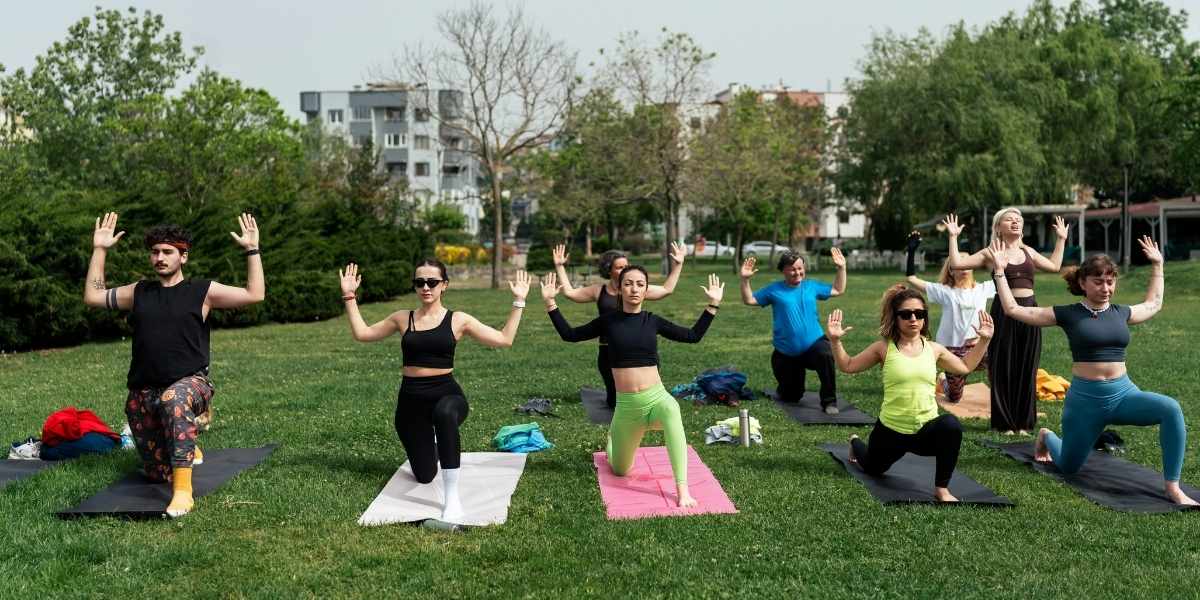
From the rich tradition of yoga, Yogilates embraces the fluidity of transitions, the profound connection between breath and movement, and the overarching principle of mindfulness. Sessions often begin and conclude with periods of centering or meditation, allowing practitioners to ground themselves and cultivate inner calm. The flowing sequences characteristic of many yoga styles are woven into Yogilates, creating a dynamic and graceful workout that enhances flexibility and range of motion. Balance-oriented poses, stress-reduction techniques through breathwork, and the holistic approach to well-being are also integral components. This unique blend means that a Yogilates class offers not just a physical challenge, but also a mental and emotional reset, fostering a deep and meaningful connection between the individual and their physical self.

How Does Yogilates Fortify Physical Strength and Enhance Flexibility?

A standout advantage of regular Yogilates practice is its remarkable capacity to simultaneously cultivate robust physical strength and profound flexibility. The Pilates influence is evident in the targeted strengthening of the deep core musculature, including the transversus abdominis, obliques, and pelvic floor. These muscles are vital for spinal stability, improving posture, and providing a powerful foundation for all bodily movements, from lifting everyday objects to engaging in more intense athletic pursuits. Yogilates exercises often incorporate Pilates-inspired movements such as modified planks, controlled abdominal curls, and leg extension sequences, all designed to build foundational strength from the inside out.

The yoga component of Yogilates significantly contributes to enhanced flexibility and joint mobility. Through a wide array of stretches and classic yoga postures, muscles are lengthened and become more pliable. Holding poses like extended side angle or specific hip openers, for example, systematically increases the range of motion in joints and surrounding tissues. The continuous, flowing nature of many Yogilates routines ensures that muscles are warmed and stretched progressively, leading to greater elasticity over time. This dual emphasis on strengthening and lengthening creates a balanced physique, helping to prevent muscle imbalances that can lead to stiffness, discomfort, or injuries. The result is a body that is not only stronger but also more agile and resilient, capable of moving with greater ease and efficiency.

What Are the Significant Mental and Emotional Benefits?

Beyond the tangible physical transformations, Yogilates delivers substantial and often profound benefits for mental and emotional well-being. The deliberate focus on breath, a fundamental aspect inherited from yoga, acts as a powerful anchor for the mind. Deep, conscious breathing techniques, or pranayama, actively engage the parasympathetic nervous system, which is responsible for the body’s “rest and digest” state. This activation helps to calm the mind, reduce feelings of anxiety and stress, and lower physiological responses such as heart rate and blood pressure. The controlled, rhythmic breathing promotes a meditative state, even during dynamic movements, helping individuals to quiet mental chatter and enhance their ability to concentrate.

The inherent mindfulness cultivated in Yogilates also plays a crucial role in improving emotional regulation. By encouraging practitioners to be fully present in each movement and to observe their thoughts and sensations without judgment, Yogilates fosters a heightened sense of self-awareness. This practice of observation can translate into daily life, allowing individuals to respond to stressful situations with greater calm and less reactivity. The discipline of focusing on precise movements and coordinating them with breath strengthens mental focus and concentration, skills that are highly transferable to professional and personal spheres. Many practitioners report a significant reduction in daily stress, an improved mood, and a greater sense of emotional resilience, illustrating the practice’s ability to act as a powerful antidote to the pressures of modern life.

How Does Yogilates Support Overall Health and Injury Prevention?

Photo Credit: Unsplash.com

The integrated nature of Yogilates positions it as an exceptional practice for fostering overall health and playing a proactive role in injury prevention. The consistent reinforcement of core strength and proper alignment, central to both Pilates and yoga, directly translates to improved posture. A strong, aligned spine supports the entire skeletal structure, alleviating common complaints such as lower back pain and neck stiffness that often arise from prolonged sitting or poor postural habits. Enhanced posture, in turn, can contribute to increased confidence and a more open, energetic physical presence.

The emphasis on controlled, mindful movements means that Yogilates is inherently a low-impact exercise, making it suitable for a broad spectrum of individuals, including those new to fitness, older adults, or those recovering from certain injuries. By strengthening the muscles that support joints and increasing flexibility, Yogilates helps to stabilize the body, reducing the risk of strains, sprains, and other musculoskeletal issues. The development of balance and proprioception – the body’s awareness of its position in space – through specific poses and sequences further contributes to fall prevention and improved coordination in daily activities. This holistic approach means that Yogilates not only builds a more capable body but also educates the individual on how to move more efficiently and safely, safeguarding long-term physical well-being.

Read Also: From Yoga to Tai Chi: Ancient Fitness Practices for Modern Wellness

The journey into Yogilates is an investment in a multifaceted approach to wellness that extends far beyond the physical realm. It offers a unique opportunity to cultivate a profound connection between mind and body, leading to not just improved strength and flexibility, but also enhanced mental clarity, emotional balance, and a greater sense of inner harmony. By seamlessly weaving together the precision and core power of Pilates with the fluidity, mindfulness, and spiritual depth of yoga, Yogilates stands as a testament to the power of integrated practices. Embracing this disciplined yet gentle form of exercise can unlock a more resilient, balanced, and vibrant self, ready to navigate the demands of life with renewed energy and composure.

Fueling Mastery: OMAD & Keto Dietary Strategies

Examining Dietary Strategies for Metabolic Health

The pursuit of optimal health and body composition often leads individuals to explore various approaches to eating. Two prominent dietary strategies that have garnered significant attention are the One Meal A Day (OMAD) pattern and the Ketogenic diet. While both aim to influence metabolism and body weight, they operate through distinct physiological mechanisms, offering different pathways to potential wellness outcomes. Understanding these fundamental differences requires a close look at how each method impacts the body’s energy utilization and hormonal responses.

Read Also: Understanding the Strictly Vegan Diet: Benefits, Nutrients, and Tips

The OMAD approach, a form of intermittent fasting, involves consuming all daily calories within a very short eating window, typically one hour, followed by an extended fasting period of around 23 hours. The primary mechanism at play here is a prolonged state of caloric restriction and metabolic switching. During the extended fasting phase, the body depletes its glycogen stores and shifts from burning glucose to burning fat for energy. This metabolic shift leads to increased fat oxidation and can promote the production of ketone bodies, even if carbohydrate intake isn’t severely restricted.

Conversely, the Ketogenic diet is characterized by a drastic reduction in carbohydrate intake, typically to less than 50 grams per day, combined with a high intake of fats and moderate protein. This macronutrient alteration forces the body into a state of nutritional ketosis, where the liver produces ketones from fat to serve as a primary fuel source for the brain and other tissues. Unlike OMAD, where ketosis is a consequence of fasting, the Ketogenic diet directly induces this metabolic state through dietary composition. These distinct approaches underscore the varied nature of effective dietary strategies.

How Do Different Dietary Strategies Influence Metabolism?

The scientific underpinnings of various dietary strategies reveal fascinating insights into human metabolism. When an individual adopts an OMAD pattern, the extended fasting period significantly impacts insulin levels. Insulin, a hormone that promotes energy storage and inhibits fat burning, remains low for most of the day. This sustained low insulin environment encourages the body to access and utilize stored fat for fuel. The body becomes more efficient at mobilizing fatty acids from adipose tissue, a process crucial for weight management and metabolic flexibility.

The Ketogenic diet, on the other hand, manipulates macronutrient ratios to achieve its metabolic effects. By severely limiting carbohydrates, the primary source of glucose, the body is deprived of its preferred fuel. This forces the liver to convert fats into ketone bodies—beta-hydroxybutyrate, acetoacetate, and acetone—which then become the main energy substrate. This shift in fuel source can lead to a more stable blood sugar profile and can potentially reduce cravings often associated with carbohydrate fluctuations. The body adapts to functioning primarily on fat and ketones, leading to a unique metabolic state.

Both dietary strategies can lead to weight loss, often due to a reduction in overall calorie intake, even if not explicitly counted. With OMAD, the compressed eating window naturally limits opportunities for consumption. For the Ketogenic diet, the high fat and moderate protein content can be highly satiating, leading to a spontaneous reduction in appetite. While the mechanisms differ, both approaches can contribute to a caloric deficit, which remains a fundamental principle for weight reduction.

Exploring the Benefits of Distinct Dietary Strategies

Each of these dietary strategies has shown potential benefits in various scientific investigations. The OMAD approach, as a form of intermittent fasting, has been linked to improvements in insulin sensitivity, which is vital for preventing and managing type 2 diabetes. The prolonged fasting periods can give the digestive system a rest and may also promote cellular repair processes, including autophagy, where the body cleans out damaged cells. This cellular housekeeping is thought to contribute to longevity and reduce inflammation.

The Ketogenic diet, by contrast, has a well-established history as a therapeutic intervention, particularly for epilepsy. Beyond neurological benefits, it has been studied extensively for its role in weight loss and blood sugar control, especially in individuals with insulin resistance. The consistent state of ketosis can lead to stable energy levels and a potential reduction in overall hunger, which some individuals find beneficial for adherence. Emerging research also explores its potential applications in various other health conditions, highlighting its broad metabolic impact.

While both regimens can yield positive outcomes, it is crucial to recognize that individual responses vary significantly. Factors such as genetics, lifestyle, and underlying health conditions can influence how effectively and safely one adapts to these profound changes in eating patterns. Adherence rates also differ, as the restrictive nature of both methods can be challenging for some individuals to maintain long-term. Consulting a healthcare professional is always advisable before embarking on any significant dietary shift, ensuring the chosen approach aligns with personal health needs and goals.

Comparing OMAD and Ketogenic Approaches for Wellness

A scientific comparison of OMAD and Ketogenic diets reveals that while they both aim to optimize metabolism, their direct applications and ideal candidates can differ. The OMAD pattern primarily leverages time restriction to achieve its effects. This makes it potentially more flexible regarding food choices during the single meal, as long as overall caloric and nutritional needs are met. Its effectiveness for weight loss often stems from the natural calorie deficit created by the limited eating window.

The Ketogenic diet, on the other hand, is defined by its macronutrient composition, specifically the severe carbohydrate restriction. This constant state of ketosis can be highly effective for blood sugar management and can induce significant initial weight loss, partly due to water loss associated with depleted glycogen stores. For individuals seeking rapid metabolic shifts, or those with specific neurological conditions, the ketogenic approach may offer distinct advantages due to its consistent state of fat-burning.

Neither of these dietary strategies is without its considerations. The OMAD diet can be difficult for some to sustain due to prolonged hunger, and ensuring adequate nutrient intake within one meal requires careful planning. Concerns about potential nutrient deficiencies and the impact on energy levels have been raised in some studies. The Ketogenic diet, while effective, can present challenges like the “keto flu” during adaptation, digestive issues due to low fiber, and a restrictive food list that may impact long-term adherence. Both demand thoughtful implementation to minimize potential drawbacks and maximize benefits for health outcomes.

Optimizing Fueling Strategies for Individual Needs

The journey to effective dietary strategies is highly personal, and a scientific understanding empowers individuals to make informed choices. For some, the simplicity of the OMAD protocol might appeal, streamlining meal preparation and freeing up time. Its emphasis on a long fasting window can enhance the body’s natural fat-burning capabilities and improve metabolic markers over time. It is important to emphasize nutrient density within that single meal to prevent deficiencies.

For others, the metabolic consistency of the Ketogenic diet, with its sustained state of ketosis, may be more appealing, especially for managing specific health conditions or for those who thrive on a high-fat, low-carb intake. This approach requires meticulous tracking of macronutrients to ensure ketosis is maintained, but it can lead to stable energy and potentially reduced appetite. Careful consideration of electrolyte balance and nutrient intake is crucial for long-term well-being on this regimen.

Read Also: Strategic Weight Management: OMAD, Fasting & Calories

The most effective approach depends on individual physiology, lifestyle, and health objectives. While both OMAD and the Ketogenic diet offer compelling scientific rationale and potential benefits, neither represents a universal solution. An individual’s success with these dietary strategies relies on thorough research, personalized guidance from qualified health professionals, and a commitment to understanding how the body responds. It is through this balanced and evidence-based approach that individuals can truly optimize their fueling choices for sustained health and vitality.

From Yoga to Tai Chi: Ancient Fitness Practices for Modern Wellness

Ancient Roots of Movement: Wisdom from Historical Fitness Practices

Movement and exercise have always been fundamental aspects of human health and well-being. While modern fitness trends often focus on high-tech equipment and specialized workout programs, ancient cultures relied on time-tested, natural methods to maintain physical strength, endurance, and flexibility. These historical fitness practices were deeply rooted in cultural beliefs, spiritual practices, and daily life. This article will explore the wisdom behind some of the oldest fitness systems that continue to influence modern wellness.

Read Also: Discovering Yoga: Physical and Mental Benefits Explored

Ancient Greek and Roman Fitness: The Birth of Physical Training

The ancient Greeks and Romans were pioneers in physical fitness and athletics, with their cultures emphasizing both mental and physical development. Greek athletes were trained for the Olympic Games, the pinnacle of athletic achievement in the ancient world, and they used a variety of training methods to prepare. Gymnasiums were centers of physical training, where young men would engage in a variety of exercises designed to build strength, endurance, and agility. Physical fitness was also considered essential for cultivating a balanced, virtuous life.

In ancient Greece, Olympic athletes practiced movements such as running, wrestling, boxing, and pankration (a no-holds-barred martial art), often using their bodies in highly dynamic and demanding ways. The ancient Greeks believed in the concept of “kalokagathia,” which means the unity of physical and moral beauty. Fitness was seen as a way to cultivate a balanced and harmonious individual.

The Romans, too, adopted physical training practices from the Greeks, but with a focus on developing soldiers who were strong, disciplined, and capable of enduring long campaigns. Roman soldiers practiced drills that involved running, marching, and carrying heavy loads to simulate the demands of battle. Roman baths and the use of hot and cold water therapies also promoted health, recovery, and relaxation, showing how physical fitness and recovery were intertwined.

Traditional Chinese Movement: Tai Chi and Qigong

Traditional Chinese practices, including Tai Chi and Qigong, have been used for thousands of years to promote physical health, mental clarity, and spiritual balance. These practices are deeply rooted in the philosophy of Daoism, which emphasizes balance, harmony, and the flow of energy within the body.

Tai Chi, often referred to as “moving meditation,” involves slow, deliberate movements designed to cultivate Qi (life force or energy) and promote relaxation, flexibility, and strength. The practice of Tai Chi helps improve posture, balance, coordination, and internal energy flow. Studies show that Tai Chi can be particularly beneficial for reducing stress, improving flexibility, and increasing strength in older adults.

Qigong is another ancient practice focused on the cultivation and balance of Qi. Qigong exercises often combine controlled breathing, meditation, and movement to restore energy, increase vitality, and promote relaxation. Both Tai Chi and Qigong emphasize the mind-body connection, offering a holistic approach to fitness that integrates physical movement with mental clarity and emotional well-being.

Ayurveda and Yoga: Movement as a Path to Health

Originating in ancient India over 5,000 years ago, Ayurveda and Yoga have had a profound influence on health practices worldwide. Ayurveda, meaning “science of life,” is a system of natural healing that emphasizes the balance of the body, mind, and spirit. Yoga, one of the cornerstones of Ayurveda, is a physical, mental, and spiritual practice that aims to promote health and wellness through asanas (physical postures), pranayama (breathing exercises), and meditation.

Yoga was originally practiced to enhance spiritual enlightenment, but it also has significant physical benefits. By incorporating various poses and movements, yoga helps improve flexibility, strength, and posture. The practice of breath control (pranayama) is integral to yoga, as it helps regulate the flow of energy and oxygen in the body, increasing vitality and reducing stress.

The Ayurvedic approach to fitness is rooted in the belief that health is the result of maintaining balance among the three doshas—Vata, Pitta, and Kapha. Ayurvedic practitioners recommend different types of yoga practices and exercises based on a person’s dosha to achieve balance and improve health. Both yoga and Ayurveda encourage a holistic approach to fitness, considering not only physical movement but also the importance of mental and emotional well-being.

Indigenous Fitness Practices: Movement in Nature

Many indigenous cultures around the world have developed fitness practices that are deeply tied to the natural world and their way of life. These practices emphasize functional movement, strength, and endurance, often drawing from the environment and daily survival tasks.

For instance, the Native American tradition of dancing is not only a spiritual practice but also a form of physical exercise. Traditional dances, which are performed to rhythms and chants, require strength, flexibility, and endurance. The Inuit people of the Arctic regions also relied on physical fitness to thrive in harsh conditions, with practices involving hunting, fishing, and building survival shelters as part of their daily routine.

Similarly, Aboriginal Australian cultures have used movement in the form of walkabouts, which involve long-distance journeys across the land. These journeys were not only a spiritual rite of passage but also a physical challenge that developed endurance, strength, and adaptability. Movement in nature, through running, swimming, and climbing, was an essential aspect of fitness in many indigenous cultures, promoting functional health and an intimate connection with the environment.

The Renaissance of Ancient Movement Practices

In today’s modern world, there is a growing trend of rediscovering and incorporating ancient fitness practices into our daily routines. As people seek more holistic, sustainable, and mindful approaches to fitness, practices like yoga, Tai Chi, and Qigong are becoming increasingly popular. These practices offer a refreshing departure from the high-intensity workouts that dominate the fitness industry, focusing on mindful movement, breath control, and mental clarity.

The revival of interest in indigenous fitness practices is also on the rise. Outdoor fitness programs, trail running, and functional fitness that mimic the natural movement patterns of ancient cultures are becoming more mainstream. These practices encourage people to reconnect with nature, promote functional strength, and improve overall health through natural movements.

Read Also: Slouching: How Fitness Can Help You Stand Tall Again

Ancient fitness practices have shaped the foundation of modern movement and exercise routines. From the Greek and Roman emphasis on physical training to the holistic practices of Tai Chi and Ayurveda, these ancient systems offer timeless wisdom on how to achieve health, strength, and balance. By revisiting and integrating these practices into our modern lives, we can tap into the power of nature, mindfulness, and functional movement, creating a more holistic and sustainable approach to fitness.

Rhythmic Movement for Physical and Mental Wellness

What Is Ballroom Dance Fitness and How Does It Elevates Health?

Combining rhythmic movement with social connection, this unique exercise blends traditional partner dance styles with modern fitness principles. It offers a full-body workout that improves cardiovascular health, muscular strength, balance, and flexibility. From the elegance of the waltz to the lively beats of the cha-cha, participants enjoy both physical and mental benefits.

Unlike many solo workouts, this activity involves synchronization with a partner, introducing joy and connection. This relationship boosts not only physical fitness but also mental sharpness and emotional well-being. The blend of artistry and exercise makes it appealing to people seeking a graceful yet effective way to improve their health.

Read Also: Quick and Fun Workouts: HIIT for Busy Women

How Does This Dance Style Improve Physical Health?

The activity offers a dynamic cardiovascular workout through continuous movement and varied tempos that increase heart rate, boosting endurance and cardiovascular function. Regular participation strengthens the heart and lungs, reducing risks linked to sedentary lifestyles. The routines engage major muscle groups, especially in the legs, core, and arms. Spins, turns, and dips promote muscle toning and strength. This low-impact exercise is gentle on joints, making it accessible for many ages and fitness levels.

Balance and coordination improve thanks to precise footwork and posture, enhancing proprioception and stability. These benefits reduce fall risks, especially among older adults. Flexibility also increases through stretching movements, contributing to injury prevention and a wider range of motion. Beyond physical advantages, this dance form nurtures cognitive function and emotional health. Learning and memorizing steps stimulate memory, focus, and problem-solving skills, keeping the brain active and sharp.

Partnering fosters connection, communication, and trust, promoting emotional well-being. Group settings create supportive communities that combat loneliness and encourage friendships. Moving rhythmically to music triggers endorphin release, natural mood elevators that help reduce stress and anxiety. Participants often report higher confidence and a sense of accomplishment, enhancing happiness and mental resilience.

What Role Does Music Play in Enhancing the Experience?

Music is the heartbeat of this exercise, setting the pace, mood, and energy of each routine. The variety—from classical orchestras to lively Latin beats—keeps sessions engaging and motivating. Listening to music during workouts can improve endurance and lessen perceived effort. Here, musical cues guide movement, helping dancers stay synchronized and in rhythm.

Emotional connections to melodies enrich the experience. Uplifting tunes energize participants, while slower rhythms encourage grace and fluidity. This interplay transforms exercise into an artistic and joyful activity. Dancing with a partner offers unique physical and psychological advantages. Maintaining frame, coordinating moves, and responding to subtle cues engage muscles and sharpen reflexes.

Partnership also develops nonverbal communication skills, requiring trust, cooperation, and adaptability. These social skills improve relationships and emotional intelligence beyond the dance floor. Shared dancing experiences foster camaraderie and mutual motivation. Partners encourage each other, boosting commitment to regular exercise and making fitness feel like a shared adventure.

Its strength lies in adaptability. Instructors modify routines to suit beginners or advanced participants, ensuring everyone benefits regardless of experience. Low-impact dances with slow tempos suit older adults or those with joint concerns, while vigorous styles offer higher-intensity options for those seeking a challenge. Classes emphasize proper technique to prevent injury and encourage progression at an individual pace. This inclusive approach supports lifelong participation and improvement.

What Are the Social and Community Benefits?

Group classes and social events foster strong communities. Shared interests and goals create supportive environments. Social bonding through dance reduces isolation and promotes emotional health. Celebrating achievements, such as mastering routines or performing, builds confidence and group cohesion. Community engagement often extends beyond classes, with friendships and support networks forming. These connections boost motivation and overall well-being.

Integrating physical, mental, and social elements promotes comprehensive wellness. Physical activity improves cardiovascular, muscular, and neurological systems. Mental engagement enhances cognition and emotional balance. Social interaction nurtures psychological resilience and belonging.

Participants often experience increased energy, improved mood, and higher self-esteem. This becomes not just exercise but a lifestyle choice supporting long-term health.

What Should Beginners Expect?

New participants find welcoming, encouraging environments. Classes start with basic steps and simple rhythms to build confidence and coordination.

Gradual progression allows skill development without overwhelm. Instructors offer personalized feedback and adjustments for safe improvement.The mix of movement, music, and social interaction is enjoyable and motivating, encouraging regular attendance and lasting commitment.

Read Also: How Zumba Combines Fitness, Culture, and Community

Technology expands access through online classes, tutorials, and virtual social events, allowing participation regardless of location or schedule. Wearable trackers monitor heart rate, calories burned, and movement quality, providing feedback for improvement. Social media enables sharing progress and connecting with communities. Emerging tools like virtual reality simulate dance environments and partner interaction, making practice engaging and accessible.

How Zumba Combines Fitness, Culture, and Community

What Is Zumba and Why Has It Become a Global Phenomenon?

Zumba is a vibrant fitness program that has captivated millions worldwide by combining lively dance moves with aerobic exercise. Originating in the 1990s, Zumba infuses energetic Latin rhythms like salsa, merengue, and reggaeton with international music styles, creating a workout that feels more like a party than exercise. This unique fusion has transformed it from a simple fitness routine into a global cultural movement.

Unlike conventional workouts, Zumba encourages participants to move freely and enjoy themselves, breaking down barriers that often make exercise intimidating or monotonous. Its appeal spans all ages and fitness levels, turning physical activity into a social and joyful experience. The program’s ability to blend fitness with culture and community has made it a lasting global phenomenon.

Read Also: How to Choose Your Wellness Word for 2025

How Does Zumba Blend Fitness and Culture?

At its core, Zumba merges the physical benefits of cardiovascular exercise with the rich cultural traditions of Latin dance. The program showcases dance styles rooted in Latin American heritage, preserving cultural expression through movement. Music and choreography draw from a wide range of countries and rhythms, promoting cultural appreciation alongside fitness.

Each Zumba class often incorporates regional music and dance influences, making sessions feel personal and relevant to local communities. This adaptability fosters inclusion and celebrates diversity, connecting people worldwide through shared cultural experiences.

From a fitness standpoint, Zumba is a comprehensive workout. It raises heart rates, improving cardiovascular health while simultaneously toning muscles through dynamic movements. The routines engage the legs, core, arms, and back, contributing to improved flexibility, balance, and coordination. Participants often experience enhanced stamina and energy, making it a well-rounded approach to physical health.

What Role Does Community Play in Zumba’s Success?

Community lies at the heart of Zumba’s global success. Classes are social events where people gather not only to exercise but to connect and have fun. The group setting fosters camaraderie and support, motivating participants to keep coming back.

Instructors cultivate inclusive environments that welcome all fitness levels, ages, and backgrounds. This sense of belonging reduces feelings of isolation, boosting mental well-being. Many participants report that their Zumba classes become social hubs, where friendships are formed and cultural exchange happens naturally.

Zumba also hosts community events and challenges worldwide, strengthening the bond among participants and reinforcing a collective identity. This supportive network plays a critical role in sustaining motivation and encouraging lifelong commitment to health.

How Does Zumba Contribute to Physical and Mental Well-being?

Physically, Zumba offers a high-energy cardiovascular workout that improves heart health and endurance. The varied dance moves tone muscles and improve flexibility, especially in the lower body and core. Regular participation aids weight management and boosts overall energy levels.

Mentally, the music-driven, joyful atmosphere elevates mood and reduces stress. Dancing stimulates the release of endorphins, natural chemicals that promote happiness and pain relief. The social interaction during classes combats loneliness and nurtures emotional resilience.

Research shows that dance-based exercise like Zumba can enhance cognitive function, balance, and coordination. This is especially beneficial for older adults, helping maintain mobility and reduce fall risk. The holistic benefits extend beyond physical fitness, enhancing quality of life.

How Has Technology Influenced Zumba’s Growth?

Technology has played a pivotal role in expanding Zumba’s reach globally. Online tutorials, virtual classes, and social media platforms allow people everywhere to participate regardless of location or schedule. Streaming workouts make it convenient for those unable to attend in person.

Apps and fitness trackers complement Zumba sessions by monitoring progress and keeping users motivated. Online communities enable sharing of experiences, tips, and support, further enhancing engagement.

However, digital formats challenge instructors to maintain the energetic, interactive environment typical of in-person classes. Balancing technological convenience with the authentic social experience remains a focus as Zumba continues to evolve.

What Challenges Does Zumba Face as a Global Trend?

Despite its widespread popularity, Zumba encounters several challenges. Ensuring quality and safety across a growing network of instructors is one. Variability in training can affect class effectiveness and risk of injury.

Cultural sensitivity is another concern. While Zumba celebrates Latin culture, global adaptations must respect the origins without diluting authenticity. Ongoing community dialogue helps address these issues, fostering mutual respect.

Furthermore, the shift to online and virtual classes raises questions about accessibility and the preservation of community spirit. Maintaining participant motivation without face-to-face interaction can be difficult, prompting innovation in virtual engagement strategies.

Why Does Zumba Appeal to Such a Wide Audience?

Zumba’s inclusive and non-competitive nature is a key factor in its broad appeal. It welcomes all ages and fitness levels, encouraging participation without fear of judgment. The fun, party-like atmosphere lowers barriers to exercise, making fitness approachable.

The variety of music styles keeps classes fresh and exciting, motivating regular attendance. Participants often find themselves energized and uplifted by the upbeat environment.

Moreover, Zumba addresses holistic well-being by combining physical exercise with mental health benefits. The social interaction and joyful movement support emotional health, making it more than just a workout.

Read Also: The Role of Dance Classes in Building Skills and Community

What Does the Future Hold for Zumba?

Looking ahead, Zumba plans to continue evolving by incorporating new music trends and dance styles to stay relevant. Expanding community outreach, especially in underserved areas, will enhance its global impact.

Partnerships with health organizations aim to integrate Zumba into preventive health programs worldwide. As awareness of mental health increases, Zumba’s role in emotional and social well-being is expected to grow.

Technological advancements will shape how classes are delivered, balancing virtual convenience with community engagement. Sustainability initiatives and cultural preservation efforts will further strengthen Zumba’s identity as a fusion of fitness, culture, and community.

Understanding and Aligning Circadian Rhythms for Better Health

What Are Circadian Rhythms and Why Do They Matter for Health?

Circadian rhythms are the body’s natural, internal clocks that regulate various physiological processes on a roughly 24-hour cycle. These rhythms influence sleep patterns, hormone release, metabolism, body temperature, and even cognitive functions. Present in almost every living organism, circadian rhythms allow the body to anticipate and adapt to regular environmental changes such as day and night.

At the core of circadian regulation in humans is the suprachiasmatic nucleus (SCN), a group of neurons located in the hypothalamus. The SCN receives signals from light detected by the eyes, synchronizing the body’s internal clock with the external environment. This synchronization is essential for maintaining balance across various systems.

Proper alignment of circadian rhythms supports better sleep quality, hormonal balance, and immune function. It reduces the risk of chronic illnesses such as diabetes, obesity, cardiovascular diseases, and mental health disorders. On the other hand, circadian disruptions—common in shift workers, frequent travelers, or those with irregular sleep schedules—can negatively impact health and longevity.

Understanding circadian rhythms is vital for optimizing daily routines and promoting holistic well-being. The rhythms essentially orchestrate the body’s biological processes, preparing it for activities such as wakefulness, feeding, and rest in a highly coordinated manner.

Read Also: Handwashing Techniques for Germ Prevention: Your Guide to Staying Healthy

How Do Circadian Rhythms Affect Physical and Mental Performance Throughout the Day?

Circadian rhythms have a significant influence on physical and mental performance, dictating fluctuations in alertness, strength, coordination, and mood at different times of the day. Cognitive functions such as attention, memory retention, problem-solving, and reaction time follow circadian patterns, often peaking in the mid-morning and early evening hours.

Physiologically, factors like body temperature, muscle strength, and cardiovascular efficiency also oscillate with circadian timing, usually reaching optimal levels in the late afternoon or early evening. Athletes and individuals engaged in physical training may benefit from aligning workouts with these peak performance windows, thereby maximizing results and minimizing injury risk.

Mental performance, however, can suffer during circadian misalignment. Sleep deprivation or irregular sleep schedules blunt cognitive capabilities, reduce focus, and impair decision-making. Mood disorders, such as depression and anxiety, have been linked to disrupted circadian rhythms, underscoring the relationship between biological clocks and emotional health.

Circadian disruption often manifests in shift work disorder or jet lag, conditions characterized by fatigue, irritability, and decreased efficiency. Strategies that respect and reinforce natural circadian rhythms improve mental clarity, emotional resilience, and physical capacity, making them key to sustained productivity and well-being.

What Lifestyle Strategies Can Help Align Circadian Rhythms for Optimal Health?

Aligning circadian rhythms relies heavily on lifestyle choices that reinforce the body’s natural timing mechanisms. Light exposure is the most powerful environmental cue influencing the circadian clock. Morning sunlight helps reset the internal clock daily, signaling wakefulness and stimulating cortisol production.

Limiting exposure to artificial blue light from screens in the evening is essential, as it suppresses melatonin release, a hormone critical for sleep onset. Dim, warm lighting and reducing screen time before bed support melatonin production and help prepare the body for restful sleep.

Regularity in daily activities—such as consistent sleep and wake times, meal schedules, and exercise routines—strengthens circadian entrainment. Erratic patterns disrupt synchronization, leading to poor sleep quality and metabolic disturbances.

Nutrition also plays a vital role. Eating meals within a consistent daytime window aligns metabolism with circadian rhythms. Time-restricted feeding, where food intake is limited to certain hours, is gaining attention for its health benefits.

Physical activity, particularly in the morning or early afternoon, reinforces circadian alignment. Conversely, intense late-night exercise can interfere with sleep quality.

Incorporating relaxation techniques like meditation or deep breathing before bedtime reduces stress and facilitates sleep onset, further supporting circadian health.

How Does Personalized Circadian Management Enhance Health and Performance?

Individual differences in circadian rhythms, known as chronotypes, explain why some people are naturally morning-oriented (“larks”) while others peak in the evening (“owls”). Recognizing one’s chronotype helps tailor daily schedules to optimize performance and well-being.

For instance, morning types may benefit from early workouts and starting tasks requiring focus soon after waking. Evening types might schedule demanding activities later in the day, aligning with their natural alertness peaks.

Technological advancements now offer tools to personalize circadian management. Wearables can monitor sleep patterns, light exposure, and activity levels, providing data-driven insights to improve habits. Personalized recommendations include optimal sleep windows, light therapy timing, and meal scheduling.

Healthcare professionals increasingly incorporate circadian principles in treating sleep disorders, depression, and metabolic conditions. Personalized circadian interventions improve treatment effectiveness by addressing the root timing disruptions rather than symptoms alone.

Such tailored approaches enhance productivity, mood stability, and physical health by respecting the body’s internal clock and individual variability.

Read Also: Maximizing Fitness Through Rest and Recovery Strategies

What Emerging Trends and Technologies Are Shaping the Future of Circadian Health?

The future of circadian health is shaped by ongoing research and innovative technologies aimed at optimizing biological rhythms for better health outcomes. One promising area is chrono-nutrition, which studies how meal timing influences metabolic health. Clinical trials on time-restricted eating show improvements in weight management, insulin sensitivity, and inflammation reduction.

Smart lighting systems that mimic natural daylight patterns are becoming popular in workplaces and homes. These systems adjust intensity and color temperature throughout the day to support circadian entrainment and reduce sleep disturbances.

Virtual and augmented reality tools are emerging to enhance relaxation and mental recovery, integrating circadian-friendly protocols.

In medicine, chronotherapy—the timing of medication administration to coincide with biological rhythms—is gaining traction for maximizing drug efficacy and minimizing side effects in cancer, asthma, and cardiovascular treatments.

Moreover, wearable health monitors continue to evolve, providing increasingly precise circadian data and personalized lifestyle coaching.

Integrating circadian science with digital health platforms holds promise for preventive care, personalized wellness, and longevity, making biological rhythm optimization a central pillar of future healthcare.

Maximizing Fitness Through Rest and Recovery Strategies

Why Is Rest and Recovery Fundamental to Peak Physical Performance?

Rest and recovery are essential yet often overlooked components of any fitness regimen. While exercise challenges muscles and the cardiovascular system, true progress happens during periods of rest. The body repairs microscopic damage, replenishes energy stores, and adapts to training stresses, enabling improved strength, endurance, and resilience.

Without adequate rest, overtraining can occur, leading to fatigue, decreased performance, and increased injury risk. Recovery supports muscle protein synthesis, hormonal balance, and immune function—key factors for sustained physical progress.

Additionally, rest allows the nervous system to recover. The communication between brain and muscles improves with recovery, enhancing coordination and motor skills. Ignoring rest undermines these processes, stalling progress and increasing burnout likelihood.

Recognizing rest as a cornerstone means intentionally integrating downtime into training schedules to maximize both short-term performance and long-term fitness.

Read Also: Enhance Your Running and Cycling with GPS Fitness Trackers

How Does Recovery Impact Mental Fitness and Cognitive Function?

Physical exertion affects not only muscles but also mental faculties. Recovery periods play a critical role in maintaining and enhancing mental fitness. Intense training elevates stress hormones like cortisol, which can impair concentration, memory, and mood if chronically high.

Proper recovery techniques—such as sleep, mindfulness, and active rest—help regulate these hormones, supporting emotional stability and cognitive function. Quality sleep, in particular, consolidates memory, facilitates learning, and improves decision-making, all crucial for athletes and active individuals.

Mental fatigue reduces motivation and increases perceived effort, which can limit workout quality. Recovery combats these effects by replenishing neurotransmitters and restoring brain function.

Incorporating mental recovery strategies alongside physical rest promotes a holistic approach to peak fitness, enhancing focus and resilience.

What Are the Best Practices for Optimizing Rest and Recovery?

Optimizing rest and recovery involves a combination of strategies tailored to individual needs and training intensity. Prioritizing sufficient sleep—usually 7 to 9 hours per night—is foundational. Sleep cycles enable muscle repair, hormone release, and brain restoration.

Active recovery, such as low-intensity walking or yoga, promotes blood circulation, aiding nutrient delivery and waste removal from muscles. Hydration and nutrition also play critical roles. Consuming protein, healthy fats, and carbohydrates supports tissue repair and energy replenishment.

Other techniques include massage, foam rolling, and cold or contrast therapy to reduce muscle soreness and inflammation. Mindfulness practices like meditation can alleviate mental stress, complementing physical recovery.

Scheduling regular rest days prevents overuse injuries and supports consistent training progress. Monitoring recovery with tools like heart rate variability can guide adjustments to workload and rest periods.

How Can Personalization Enhance Recovery for Different Athletes?

Each individual’s recovery needs vary based on factors such as age, fitness level, workout intensity, and lifestyle. Personalization ensures rest strategies are effective and sustainable.

For example, younger athletes might recover faster and tolerate higher training volumes, while older adults may require longer rest and more focus on mobility and flexibility. Endurance athletes benefit from recovery methods that address systemic fatigue, whereas strength athletes might prioritize muscle repair techniques.

Lifestyle stressors such as work, sleep quality, and nutrition also influence recovery capacity. Tracking recovery metrics, including subjective feelings of fatigue and objective measures like heart rate variability, allows tailored adjustments.

Personalized recovery plans improve adherence, prevent burnout, and maximize performance gains by aligning rest with individual physiology and circumstances.

Read Also: Enzyme Baths: The Holistic Japanese Practice for Mind and Body

What Emerging Trends Are Shaping the Future of Rest and Recovery in Fitness?

Rest and recovery practices continue to evolve, driven by research and technological innovation. Wearable devices now monitor sleep quality, stress levels, and physiological markers, providing real-time data to optimize rest strategies.

Advances in cryotherapy, infrared saunas, and pneumatic compression devices offer new avenues to accelerate recovery. Virtual reality and biofeedback tools help manage mental fatigue and promote relaxation.

Scientific exploration into chronobiology reveals how aligning training and recovery with circadian rhythms can enhance outcomes. Additionally, plant-based nutrition and supplements targeting inflammation and muscle repair are gaining attention.

Future recovery protocols are expected to become increasingly personalized, data-driven, and integrative, addressing both physical and mental dimensions to support holistic health and peak performance.

Intermittent Fasting: What You Need to Know Before Starting

Intermittent fasting has gained widespread attention as a popular approach to managing weight and improving health. Unlike traditional diets that focus on what to eat, intermittent fasting focuses on when to eat. This eating pattern alternates between periods of fasting and eating, creating cycles that influence metabolism and overall well-being.

Despite its growing popularity, intermittent fasting is not a one-size-fits-all solution. Understanding its benefits, challenges, and suitability is essential before deciding if it fits into your lifestyle.

Read Also: Benefits of Antioxidants for Skin Health: What You Should Know

What Is Intermittent Fasting?

Intermittent fasting involves cycling between periods of eating and fasting. Common patterns include the 16/8 method, where eating is limited to an eight-hour window each day, and the 5:2 method, which restricts calorie intake to about 500–600 calories for two non-consecutive days per week.

During fasting periods, the body experiences changes at the cellular and hormonal levels. Insulin levels drop, encouraging the body to burn stored fat for energy. Human growth hormone levels rise, which supports fat loss and muscle gain. Additionally, cells initiate repair processes that may improve longevity and reduce disease risk.

How Does Intermittent Fasting Affect the Body?

Intermittent fasting affects the body in multiple ways. Initially, it shifts the body’s fuel source from glucose derived from recent meals to fat stored in the body. This metabolic switch is linked to fat loss and improved insulin sensitivity.

Research indicates that intermittent fasting may reduce inflammation and oxidative stress, two factors connected to aging and chronic diseases. Some studies suggest benefits for heart health, including lowered blood pressure and cholesterol.

Beyond physical effects, intermittent fasting may influence brain health. Animal studies show fasting promotes the growth of new neurons and protects against neurodegenerative diseases. While human research is ongoing, the findings are promising.

Who Might Benefit from Intermittent Fasting?

Intermittent fasting is often appealing to people seeking weight management. Its structure can simplify meal planning and reduce overall calorie intake without requiring strict diet restrictions.

People with insulin resistance or type 2 diabetes may also experience improved blood sugar control under medical supervision. The approach encourages better insulin sensitivity and may reduce the need for medication.

Individuals interested in longevity and healthy aging might find intermittent fasting attractive due to its potential cellular repair benefits. However, these effects require further study in humans.

When Is Intermittent Fasting Not Recommended?

Intermittent fasting is not suitable for everyone. Pregnant or breastfeeding women should avoid fasting due to increased nutritional needs. People with a history of eating disorders may find fasting triggers harmful patterns.

Individuals with certain medical conditions, such as diabetes requiring medication, should only try intermittent fasting under professional guidance. The risk of hypoglycemia during fasting periods must be carefully managed.

Children and adolescents, who are still growing and developing, generally require consistent nutrient intake and should not practice fasting.

Challenges and Considerations

Fasting periods can be difficult initially. Hunger, irritability, and reduced energy are common side effects as the body adapts. Some people find social situations challenging because of differing eating schedules.

Consistency is key for benefits. Irregular fasting or breaking fasts frequently may reduce positive effects. Careful attention to hydration and nutrient quality during eating windows is essential.

Listening to the body is important. If fasting causes dizziness, excessive fatigue, or mood changes, adjustments or cessation may be necessary.

Tips for Starting Intermittent Fasting

Starting intermittent fasting gradually can improve adherence. Beginning with shorter fasting windows and extending them over time allows the body to adjust.

Staying hydrated during fasts with water, herbal teas, or black coffee helps manage hunger. Eating balanced meals rich in whole foods, lean proteins, healthy fats, and vegetables during eating periods supports overall nutrition.

Avoiding processed foods and excess sugar enhances fasting benefits. Planning meals and social activities around fasting schedules helps maintain consistency and enjoyment.

What Does Research Say About Intermittent Fasting?

Clinical studies show mixed but generally positive outcomes for intermittent fasting. Many participants experience weight loss, improved metabolic markers, and better insulin sensitivity.

Long-term effects and safety require further research. Some studies note improvements in markers related to heart disease and diabetes, but larger trials are needed.

Experts emphasize that intermittent fasting is one of many tools for health improvement. It works best combined with a nutritious diet and active lifestyle.

Read Also: Enhance Your Running and Cycling with GPS Fitness Trackers

Is Intermittent Fasting Right for You?

Deciding whether intermittent fasting suits you depends on your goals, lifestyle, and health status. It can offer weight control, metabolic benefits, and possibly improved cellular health, but it is not a miracle cure.

Consulting a healthcare professional before starting is important, especially if you have medical conditions. Personalized guidance helps navigate potential risks and maximize benefits.

Ultimately, success with intermittent fasting comes down to individual preferences and how well the method fits into daily life. For some, it’s an empowering way to regain control over eating. For others, traditional balanced eating patterns may be more sustainable.