Thrive Monthly

Enhance Your Running and Cycling with GPS Fitness Trackers


Why Are GPS Fitness Trackers Essential for Runners and Cyclists?

GPS fitness trackers have become a game-changer for both runners and cyclists. These devices help athletes of all levels track their performance, set goals, and monitor progress with precision. Unlike traditional fitness trackers, GPS-enabled devices offer real-time data on routes, distance, speed, and elevation, giving you a much clearer picture of your training efforts. Whether you’re training for a race or simply aiming to stay active, these trackers provide the tools you need to optimize your performance and achieve your fitness goals.

For runners and cyclists, knowing how far you’ve traveled, how fast you’ve gone, and how much elevation gain you’ve achieved during a workout is vital for improvement. GPS fitness trackers allow athletes to collect and analyze this data, which can help to fine-tune training routines, avoid injuries, and measure personal progress more effectively.

Read Also: Weight Loss Exercises: Cardio and Strength Training Tips

How Do GPS Fitness Trackers Work?

GPS fitness trackers work by using satellite signals to determine your precise location while you run or cycle. These devices typically feature built-in GPS sensors that map your route in real time. The GPS data is then paired with additional sensors that measure heart rate, cadence, pace, and other important metrics.

In addition to GPS, many fitness trackers also include accelerometers and barometers to measure steps, speed, and altitude changes. These sensors allow for detailed tracking of your workout in a way that’s far more accurate than other fitness monitoring methods. Data is then synced with companion apps, allowing athletes to visualize their workouts and track improvements over time.

What Are the Key Benefits of GPS Fitness Trackers for Running?

GPS fitness trackers offer a range of benefits for runners looking to take their training to the next level. Here are some key advantages:

1. Precise Distance Measurement:

GPS allows runners to accurately measure the distance they’ve covered, ensuring they’re meeting their training targets. This is especially useful for runners who want to gradually increase their distance or prepare for specific race distances.

2. Pace Tracking:

Knowing your pace during a run is essential for effective training. GPS fitness trackers provide real-time pace data, allowing runners to monitor their speed and adjust accordingly. This helps prevent overtraining or burnout and allows runners to maintain an optimal pace during training.

3. Route Mapping:

GPS-enabled devices allow runners to explore new routes with confidence. These trackers map the route in real time, so runners can discover new trails without worrying about getting lost. In addition, they can save frequently used routes for future workouts.

4. Heart Rate Monitoring:

Many GPS fitness trackers come with built-in heart rate monitors, which can help runners stay in their target heart rate zones. This is important for improving endurance, maintaining proper training intensity, and optimizing recovery.

5. Post-Run Analysis:

After completing a run, GPS fitness trackers provide detailed data analysis. This includes breakdowns of time, distance, average pace, heart rate, and elevation. By analyzing this data, runners can identify areas for improvement and track their progress over time.

How Do GPS Fitness Trackers Benefit Cyclists?

For cyclists, GPS fitness trackers offer several key advantages that can significantly improve their training and performance:

1. Distance and Speed Tracking:

Cyclists need to track their distance and speed to monitor performance. GPS trackers accurately measure the distance covered and average speed during a ride, helping cyclists set benchmarks and measure improvement.

2. Route Navigation:

GPS trackers provide cyclists with detailed route navigation, ensuring they stay on course during rides, especially when exploring unfamiliar areas. Some trackers even offer turn-by-turn directions, which can be incredibly helpful on long rides or when cycling in new locations.

3. Elevation and Gradient Tracking:

Cycling often involves navigating hilly terrain, and knowing the elevation gain and gradient of a ride can be crucial for performance tracking. GPS fitness trackers measure elevation changes, giving cyclists insight into how much climbing they’ve done, helping them gauge their endurance and strength.

4. Cadence Monitoring:

Cadence, or pedal stroke rate, is a key indicator of cycling efficiency. Many GPS fitness trackers feature cadence sensors, which help cyclists optimize their pedaling rate for improved energy efficiency and better performance on long rides.

5. Training Zones and Heart Rate Monitoring:

Like with running, heart rate monitoring is important for cyclists to ensure they’re training within the right zones. GPS fitness trackers can sync with heart rate monitors, allowing cyclists to track their exertion levels and improve training effectiveness.

What Features Should You Look for in a GPS Fitness Tracker?

When choosing a GPS fitness tracker for running or cycling, there are several important features to consider. Here’s a breakdown of the key elements that can help you choose the right tracker:

1. GPS Accuracy:

The accuracy of the GPS system is critical. Look for a tracker that provides precise location tracking, especially if you plan to use it for long-distance running or cycling. The more accurate the GPS, the better the data you’ll receive.

2. Battery Life:

For longer training sessions, especially for endurance athletes, battery life is an essential factor. Some GPS trackers are designed to last up to 20+ hours on a single charge, which is perfect for marathon runners or cyclists embarking on long rides.

3. Water Resistance:

Whether you’re running in the rain or cycling through puddles, a waterproof or water-resistant tracker is a must. Look for trackers with an IP (Ingress Protection) rating, which indicates the level of water resistance. Some trackers are even suitable for swimming.

4. Heart Rate Monitoring:

For many athletes, heart rate data is vital for understanding their performance and training intensity. Consider a GPS fitness tracker with an integrated heart rate monitor or the ability to connect to a compatible external heart rate sensor.

5. Compatibility with Apps:

Make sure the GPS fitness tracker you choose is compatible with apps that you use for tracking and analyzing your workouts. Popular fitness apps like Strava, Garmin Connect, or Komoot can help you analyze your performance and set new goals.

6. Comfort and Design:

Since you’ll be wearing the tracker during physical activity, it’s essential that it’s comfortable. Look for a lightweight and ergonomic design that won’t distract or irritate you during your workouts.

7. Advanced Metrics:

If you’re looking for in-depth analysis, look for features like cadence tracking, elevation gain, VO2 max estimates, and recovery metrics. These advanced features provide valuable insights into your fitness level and progress over time.

Popular GPS Fitness Trackers for Running and Cycling

Several brands offer excellent GPS fitness trackers for both running and cycling. Here are some of the top options to consider:

1. Garmin Forerunner Series:

Garmin’s Forerunner series is known for its accurate GPS tracking, long battery life, and comprehensive fitness metrics. Models like the Forerunner 945 offer advanced features such as heart rate monitoring, route mapping, and training load analysis, making them ideal for both runners and cyclists.

2. Suunto 9 Baro:

The Suunto 9 Baro is a great option for endurance athletes, with an ultra-long battery life and precise GPS tracking. It also features altitude tracking, making it an excellent choice for cyclists tackling hilly terrain.

3. Polar Vantage V2:

Polar’s Vantage V2 is a sleek, multi-sport GPS watch that provides comprehensive training metrics, including heart rate, cadence, and GPS accuracy. It’s lightweight and designed for both runners and cyclists looking to track their progress in detail.

4. Wahoo ELEMNT ROAM:

Wahoo’s ELEMNT ROAM is a highly-rated cycling-specific GPS device, offering turn-by-turn navigation, route planning, and live tracking. It’s designed to keep cyclists on track, even in unfamiliar areas, and provides detailed data on speed, cadence, and elevation.

Read Also: How Outdoor Fitness is Shaping the Future

Why Invest in a GPS Fitness Tracker?

Investing in a GPS fitness tracker for running or cycling is a great way to enhance your training, stay motivated, and track your progress. With real-time data on distance, pace, heart rate, and elevation, these devices offer valuable insights that can help you improve your performance and reach your fitness goals. Whether you’re a beginner or an experienced athlete, a GPS fitness tracker provides the tools you need for a more efficient and enjoyable workout.

How Outdoor Fitness is Shaping the Future

The Rise of Outdoor Fitness Trends

As the world continues to adapt to post-pandemic life, outdoor fitness has seen a dramatic surge in popularity. With a growing focus on mental and physical health, people are seeking alternatives to traditional indoor gym workouts. Outdoor fitness activities offer a refreshing way to connect with nature, improve well-being, and stay active. This trend is expected to gain even more momentum as new outdoor fitness innovations and more people embrace the benefits of exercising in open spaces.

Read Also: Selecting the Right Workout Apparel and Gear for Women

Why Are Outdoor Fitness Trends Gaining Popularity?

Several factors contribute to the growing popularity of outdoor fitness. Firstly, the pandemic shifted many people’s approach to fitness, pushing them to seek safer, more enjoyable exercise options. Being outside not only provides a break from the closed environment of gyms but also offers numerous health benefits, including exposure to fresh air, sunlight, and a natural environment.

Additionally, outdoor workouts often involve activities that can be done alone or with small groups, allowing individuals to maintain social distancing and prioritize their health. The variety of outdoor fitness options available—from hiking and trail running to yoga in the park and outdoor cycling—makes it accessible to people of all fitness levels.

Top Outdoor Fitness Trends to Watch

As outdoor fitness continues to grow, new trends are emerging that combine nature, technology, and fitness in innovative ways. Some of the top outdoor fitness trends include:

1. Outdoor HIIT Workouts

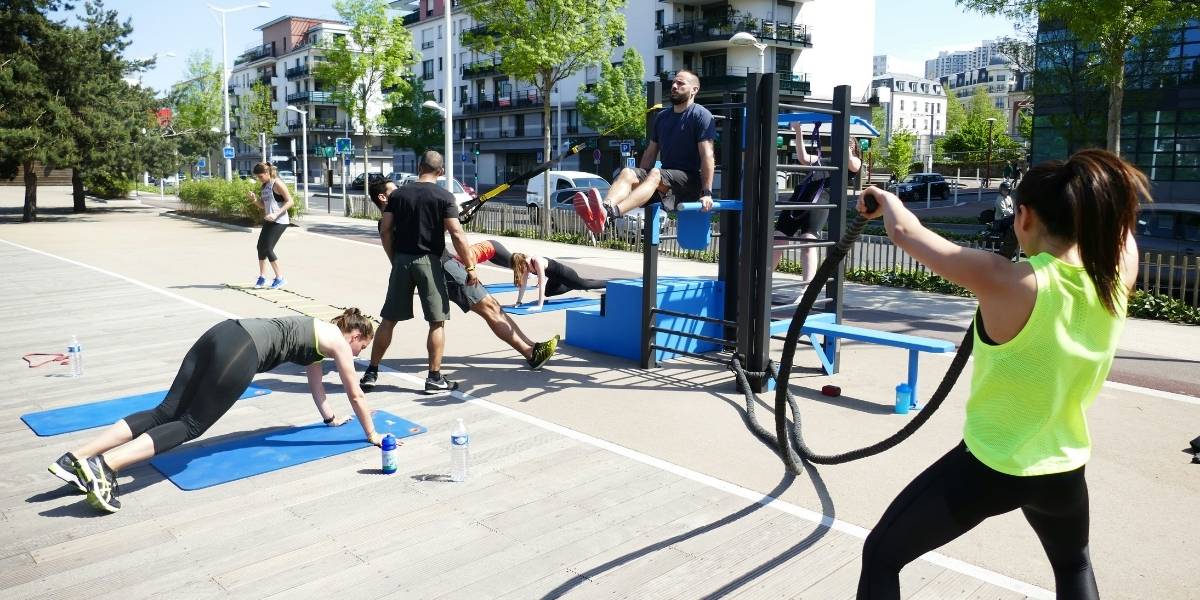
High-Intensity Interval Training (HIIT) has been popular in gyms for several years, but it’s now making its way outdoors. With the ability to incorporate bodyweight exercises, running, and even outdoor props like kettlebells and resistance bands, outdoor HIIT offers a great way to get a full-body workout while enjoying the fresh air. More trainers are likely to host HIIT classes in parks, beaches, and open spaces, making it easy for fitness enthusiasts to experience the intensity of HIIT outdoors.

2. Trail Running and Hiking

Trail running and hiking have always been popular, but more people are expected to explore nature trails, mountain paths, and national parks as part of their fitness routine. These activities not only provide a full-body workout but also offer mental health benefits. Running or walking through nature improves mood, reduces stress, and boosts overall mental clarity. With more people seeking to escape urban environments, trail running and hiking will continue to rise in popularity.

3. Outdoor Yoga and Mindfulness Practices

Yoga, meditation, and mindfulness practices have long been associated with improving mental well-being. Expect to see more people practicing yoga in parks, on beaches, and in other outdoor settings. The calming sounds of nature, coupled with fresh air, will provide a more immersive experience that enhances relaxation and focus. Additionally, outdoor yoga offers a sense of connection with nature, making it an ideal practice for those looking to reduce stress and improve flexibility.

4. Mobile Fitness Apps for Outdoor Workouts

In the digital age, mobile apps have revolutionized the way we approach fitness. More fitness apps are designed specifically for outdoor workouts, helping users track their performance in real-time while exercising in nature. These apps may include GPS features for outdoor running, cycling, or hiking routes, as well as virtual coaching, challenges, and fitness communities. Expect to see more apps that offer outdoor workout routines tailored to different environments, such as parks, beaches, and trails.

5. Outdoor Group Fitness Classes

Outdoor group fitness classes are an increasingly popular way for people to exercise together in a socially-distanced setting. More fitness centers and independent trainers are likely to offer group workouts in parks, on beaches, and in other open-air locations. These outdoor classes could range from dance workouts and boot camps to cycling groups and circuit training. Group fitness classes in outdoor settings provide the benefits of exercise while fostering a sense of community.

What Are the Benefits of Outdoor Fitness?

Outdoor fitness offers a range of benefits that indoor workouts simply can’t match. Some of the key advantages include:

  • Improved Mental Health: Exercising outdoors, especially in nature, has been shown to reduce stress, anxiety, and depression. The exposure to natural light helps regulate mood and improves sleep.

  • Better Physical Health: Outdoor activities like hiking, running, and cycling provide cardiovascular benefits while strengthening muscles and bones. The variety of terrain challenges different muscle groups, enhancing overall fitness.

  • Vitamin D Exposure: Sunlight is a natural source of Vitamin D, which plays a key role in bone health, immune function, and mood regulation. Exercising outdoors increases Vitamin D levels naturally.

  • Enhanced Motivation: The change of scenery can make workouts feel less like a chore. Many people find that outdoor activities are more engaging and enjoyable, leading to improved motivation and consistency.

How Can You Get Started with Outdoor Fitness?

Getting started with outdoor fitness is easy and requires minimal equipment. Depending on your location and the activities you enjoy, you can start by:

  • Joining Outdoor Fitness Classes: Look for outdoor HIIT, yoga, or group fitness classes in your local area. These classes are often held in parks or beaches and offer an easy way to get started.

  • Exploring Nature Trails: Find nearby trails or nature reserves for hiking or trail running. If you’re new to trail running, start with shorter routes and work your way up to longer trails.

  • Using Fitness Apps: Download mobile fitness apps designed for outdoor workouts. Many apps offer guided outdoor workouts, helping you track your progress and stay motivated.

  • Investing in Outdoor Gear: If you’re planning to engage in outdoor activities like hiking or cycling, invest in proper gear such as comfortable shoes, outdoor clothing, and accessories like hydration packs.

Read Also: Mindful Movement: A Holistic Approach to Fitness and Well-being

Embrace the Outdoors for Fitness

Outdoor fitness is more than just a trend; it’s a lifestyle that’s here to stay. The growing demand for outdoor workouts and activities continues to grow. Whether you’re hitting the trails for a run, joining a group yoga class in the park, or enjoying a HIIT session outdoors, exercising in nature offers numerous benefits for both your physical and mental health. Embrace these trends, step outside, and make the most of your fitness journey.

Waterproof Fitness Trackers for Aquatic Sports

Fitness trackers have become a staple for health enthusiasts, offering a wealth of data about physical activity, heart rate, sleep patterns, and more. However, when it comes to tracking workouts that involve water, not all trackers are created equal. For swimmers and water sports lovers, having a waterproof fitness tracker is essential. These devices are designed to withstand exposure to water, making them perfect for those who want to track their performance during aquatic exercises.

Read Also: Time-Saving Workouts for Busy People

What Makes a Fitness Tracker Waterproof?

A waterproof fitness tracker is designed to handle various conditions without suffering damage from water exposure. To determine a device’s water resistance, manufacturers use the IP (Ingress Protection) rating system. The rating typically includes two numbers: the first indicates protection from solids (like dust), and the second shows protection from liquids. Fitness trackers designed for swimming and water sports typically have a water resistance rating of IP68 or higher, which means they can be submerged in water for a specific period.

The key difference between waterproof and water-resistant is that while both offer protection against water, only waterproof trackers can withstand extended submersion in water, such as during a swim.

Why Are Waterproof Fitness Trackers Important for Swimmers?

Swimmers face a unique set of challenges when tracking their fitness. Unlike land-based activities, swimming involves repeated exposure to water, making it essential to have a tracker that won’t malfunction or get damaged. Waterproof fitness trackers not only monitor general metrics like heart rate and calories burned, but they also track swimming-specific metrics, such as lap count, stroke style, and distance swum.

For swimmers, having a waterproof fitness tracker offers many benefits. It enables them to:

  • Track swimming-specific metrics: Many waterproof fitness trackers come with swimming modes that automatically track your laps, stroke type, distance, and pace.

  • Monitor heart rate: Keeping track of heart rate during swimming is crucial for optimizing training intensity.

  • Measure overall performance: Waterproof trackers allow swimmers to track calories burned, time spent in the pool, and other important data points during their workout.

Key Features to Look for in a Waterproof Fitness Tracker

When shopping for a waterproof fitness tracker, there are several key features to consider. These features ensure that the device can meet the specific needs of swimmers and athletes who participate in water-based activities.

Water Resistance Rating

As mentioned earlier, the IP rating of the tracker is important. Look for fitness trackers with an IP68 or 5ATM rating, which ensures they can withstand water submersion. This rating means the device is resistant to water at a depth of up to 50 meters, making it suitable for swimming in pools or open water.

Swimming Metrics Tracking

Not all waterproof trackers are created for swimming. For swimmers, it’s essential to choose a tracker that offers swimming-specific metrics. Look for trackers that automatically detect your strokes (freestyle, backstroke, breaststroke, etc.) and count laps. Some advanced trackers even estimate your stroke efficiency and provide insights into your swimming form.

Heart Rate Monitoring

Tracking heart rate during a swim is an important aspect of optimizing your workout. Some fitness trackers use optical sensors to monitor your heart rate directly from the wrist, while others rely on chest straps. For accurate heart rate data while swimming, make sure the tracker is equipped with a reliable sensor that works underwater.

Battery Life

For any fitness tracker, battery life is a crucial consideration. Swimmers may spend long periods in the water, so it’s important to choose a tracker with a long battery life. Many waterproof fitness trackers last several days on a single charge, but some may require more frequent charging depending on usage.

Top Waterproof Fitness Trackers for Swimming

Several brands offer excellent waterproof fitness trackers that cater to the needs of swimmers. Here are some top choices:

1. Garmin Swim 2

The Garmin Swim 2 is designed specifically for swimmers, offering advanced swimming metrics such as stroke detection, pace, and distance. With a 5ATM water resistance rating, it is perfect for both pool and open water swimming. It also features heart rate monitoring, making it a comprehensive tool for swimmers who want to track both performance and recovery.

2. Fitbit Charge 5

The Fitbit Charge 5 offers an IP68 water resistance rating, making it suitable for swimming and water-based activities. It tracks swimming workouts, counts laps, and monitors your heart rate during water exercises. Additionally, it has a long battery life, providing up to 7 days of use, making it a solid choice for daily wear.

3. Apple Watch Series 7

The Apple Watch Series 7 comes with a water resistance rating of 50 meters, making it suitable for swimming in pools or open water. It tracks various swimming metrics such as lap count, pace, and distance, while also offering heart rate monitoring. While it’s more expensive than some other trackers, its high-end features and versatility make it an attractive option for swimmers.

4. Polar Vantage M2

The Polar Vantage M2 is a great fitness tracker for athletes involved in multiple sports, including swimming. With an IP68 rating, it can withstand swimming sessions in both pools and open water. It tracks heart rate, distance, and lap times and provides detailed swimming performance insights. Additionally, it offers excellent battery life, lasting up to 30 hours on a single charge.

Can Waterproof Fitness Trackers Be Used for Other Sports?

While waterproof fitness trackers are specifically designed for water sports, many of these devices are versatile and can be used for a range of activities beyond swimming. For example, trackers like the Garmin Swim 2 and Polar Vantage M2 also cater to runners, cyclists, and gym-goers by offering activity tracking, GPS, and heart rate monitoring. Whether you’re running, cycling, or hiking, these trackers offer multi-sport capabilities that make them great for all-around fitness tracking.

Read Also: How to Make Delicious Sugar-Free Desserts at Home

The Best Waterproof Fitness Trackers for Every Swimmer

Waterproof fitness trackers offer significant advantages for swimmers and athletes who enjoy water-based sports. They help monitor performance, track heart rate, and provide valuable insights into swimming techniques. With the right waterproof tracker, swimmers can gain a better understanding of their progress, set new goals, and optimize their training regimen.

When choosing a fitness tracker, consider the device’s water resistance rating, swimming metrics, heart rate tracking, and battery life. Options like the Garmin Swim 2, Fitbit Charge 5, and Apple Watch Series 7 are all excellent choices for swimmers. Whether you’re a competitive athlete or a casual swimmer, a waterproof fitness tracker can enhance your workout experience and keep you motivated to achieve your fitness goals.

Stevia: A Natural Sweetener with Cardiovascular and Antioxidant Benefits

Exploring the Sweet and Healthy Side of Stevia

Stevia, a natural sweetener derived from the Stevia rebaudiana plant, has become increasingly popular as a healthier alternative to sugar. Unlike refined sugars, stevia provides sweetness without the added calories, making it a go-to option for those looking to reduce their sugar intake. This comprehensive guide will explore the many health benefits associated with stevia, including its role in weight management, blood sugar control, cardiovascular health, and its antioxidant properties. Additionally, we will address common misconceptions surrounding stevia and provide evidence-based information to help you understand its place in a balanced diet.

Read Also: Understanding the Strictly Vegan Diet: Benefits, Nutrients, and Tips

What is Stevia?

Stevia is a plant-based sweetener that comes from the leaves of the Stevia rebaudiana plant, which is native to South America. The sweetness in stevia comes from compounds called steviol glycosides, primarily stevioside and rebaudioside A. These compounds are many times sweeter than sugar but have no calories, making them an appealing option for people trying to manage their calorie intake or blood sugar levels.

Unlike sugar, stevia does not raise blood glucose levels, making it particularly beneficial for people with diabetes or those trying to reduce their risk of developing metabolic conditions.

Stevia and Weight Management

One of the most appealing benefits of stevia is its potential to aid in weight management. Because stevia contains little to no calories, it can be used as a sweetener in place of sugar without contributing to weight gain. For individuals looking to reduce their calorie intake while still enjoying sweet flavors, stevia offers a perfect alternative.

In addition to being calorie-free, stevia has been shown to help reduce sugar cravings, making it easier for people to stick to healthier eating habits. Some studies suggest that consuming stevia may also promote a sense of satiety, which can help control overeating and may support weight loss efforts.

By substituting sugar with stevia, individuals can still indulge their sweet tooth while managing their calorie consumption, helping them maintain or lose weight over time.

Stevia and Blood Sugar Control

For individuals managing diabetes, maintaining stable blood sugar levels is crucial. Stevia is an excellent sugar alternative for those with diabetes because it does not cause spikes in blood glucose. In fact, research has shown that stevia may even help improve insulin sensitivity, a critical factor in diabetes management.

Several studies have explored the effects of stevia on blood sugar levels. One study found that consuming stevia extract before meals significantly lowered post-meal blood sugar levels in individuals with type 2 diabetes. Another study showed that stevia had no impact on blood glucose or insulin levels, making it a safe and effective sweetener for diabetic individuals.

Unlike sugar, which can lead to insulin resistance when consumed in excess, stevia does not have the same negative impact on blood sugar regulation. This makes it an ideal option for people with diabetes who want to enjoy sweetness without compromising their health.

The Cardiovascular Benefits of Stevia

In addition to its effects on blood sugar, stevia may have positive impacts on cardiovascular health. High blood pressure is a significant risk factor for heart disease, and some research suggests that stevia may help lower blood pressure in individuals with hypertension.

One study published in the Journal of Dietary Supplements found that stevia supplementation led to a significant reduction in blood pressure in individuals with mild hypertension. The potential for stevia to promote heart health is likely due to its ability to improve blood vessel function and reduce inflammation, both of which are important factors in maintaining healthy blood pressure levels.

By replacing sugary beverages and snacks with stevia-sweetened options, individuals may also be reducing their intake of harmful processed sugars, which are known to contribute to obesity, inflammation, and an increased risk of heart disease.

Stevia’s Antioxidant Properties

Stevia is not only a calorie-free sweetener but also a source of antioxidants, which help protect the body from oxidative stress and free radical damage. Antioxidants are essential for maintaining overall health, as they combat inflammation and help prevent chronic diseases.

Studies have found that stevia leaves contain compounds with strong antioxidant activity, such as flavonoids and phenolic acids. These compounds may help reduce oxidative damage, which has been linked to aging, heart disease, and other health conditions.

Incorporating stevia into your diet can provide additional antioxidant benefits, supporting your body’s natural defense system and contributing to better overall well-being.

Is Stevia Safe to Use?

One of the most common concerns about stevia is whether it is safe for long-term consumption. Fortunately, extensive research has shown that stevia is safe for use as a sweetener. The U.S. Food and Drug Administration (FDA) has classified purified stevia extracts, particularly rebaudioside A, as Generally Recognized as Safe (GRAS) for use in food and beverages.

Some people may experience mild digestive issues when consuming large quantities of stevia, such as bloating or gas. However, these side effects are rare and typically occur only when stevia is consumed in excessive amounts.

It’s important to note that while stevia itself is safe, some commercial stevia products may contain additives, fillers, or artificial sweeteners. To avoid these, it’s best to choose high-quality, pure stevia products that contain no added ingredients.

Debunking Common Misconceptions About Stevia

Despite its growing popularity, several misconceptions about stevia still persist. One common myth is that stevia has a strong, bitter aftertaste. While some forms of stevia may have this aftertaste, especially in higher concentrations, modern stevia products have improved in flavor, with many options now tasting nearly identical to sugar without the bitterness.

Another misconception is that stevia is overly processed. In reality, pure stevia extract is derived from the leaves of the Stevia rebaudiana plant and undergoes minimal processing. When choosing stevia, opt for products that contain only purified stevia extract, avoiding those with added artificial sweeteners or unnecessary additives.

Read Also: The Great Smartphone Debate: iOS vs. Android

Stevia as a Healthful Sweetener

Stevia is a versatile, natural sweetener with a host of potential health benefits. From supporting weight management and blood sugar control to providing antioxidant protection and promoting heart health, stevia can be a valuable addition to any diet. Its ability to provide sweetness without calories makes it an appealing choice for those looking to reduce their sugar intake and improve their overall well-being.

By understanding the many health benefits of stevia and dispelling common misconceptions, you can make informed decisions about incorporating it into your diet. Whether you’re managing diabetes, aiming to lose weight, or simply looking for a healthier alternative to sugar, stevia offers a delicious, guilt-free way to satisfy your sweet cravings.

How to Make Delicious Sugar-Free Desserts at Home

Indulge Guilt-Free: The Ultimate Guide to Delicious Sugar-Free Desserts

Craving something sweet but want to skip the added sugar? You’re not alone. Many people today are looking for ways to enjoy their favorite desserts without the sugar rush or the unwanted health consequences associated with refined sugars. This guide will take you through the exciting world of sugar-free desserts, offering a range of delicious alternatives that will satisfy your sweet tooth, all without the guilt.

Read Also: Oral Hygiene Tips: Brushing, Flossing & More Explained

Why Choose Sugar-Free Desserts?

Refined sugar has been linked to numerous health issues, including obesity, diabetes, and heart disease. Reducing your intake of sugar can improve overall health, stabilize energy levels, and help maintain a healthy weight. But just because you’re cutting back on sugar doesn’t mean you have to give up on delicious desserts. With the right ingredients and a little creativity, you can indulge in sweet treats that are just as satisfying.

Natural Sweeteners and Sugar Substitutes

The key to making sugar-free desserts taste just as good as their sugary counterparts lies in natural sweeteners and sugar substitutes. These alternatives mimic the sweetness of sugar without the negative effects on health. Some popular options include:

Stevia

Stevia is a natural sweetener derived from the leaves of the stevia plant. It is incredibly sweet, but without adding any calories. Stevia is a great option for those looking for a sugar substitute, especially in baked goods. Keep in mind that it can have a slightly bitter aftertaste, so it’s best to use it in moderation.

Monk Fruit Sweetener

Monk fruit sweetener is derived from the monk fruit, a small fruit native to Southeast Asia. It is naturally sweeter than sugar and contains zero calories. Monk fruit sweetener works well in both baking and cooking and is an excellent choice for those who prefer a sugar-free lifestyle without compromising on flavor.

Erythritol

Erythritol is a sugar alcohol that has a similar taste and texture to sugar, but with virtually no calories. It doesn’t spike blood sugar levels and is a popular choice for those on low-carb diets or anyone looking to avoid sugar. Erythritol can be used in a variety of desserts, from cookies to cakes and even ice creams.

Xylitol

Xylitol is another sugar alcohol, though it does contain a small amount of calories. It’s a good sugar substitute for people who want to reduce sugar intake but still enjoy some of the mouthfeel and texture that sugar offers. Like erythritol, xylitol doesn’t cause a spike in blood sugar, making it suitable for diabetics.

Crafting Sugar-Free Desserts: Techniques and Tips

When making sugar-free desserts, it’s important to keep a few key techniques in mind to ensure that your treats not only taste great but also have the right texture and consistency.

Understand Texture Substitutions

Sugar plays a crucial role in the texture of desserts, especially in baking. It helps create moisture, contributes to browning, and affects the structure of cakes and cookies. When substituting sugar with natural sweeteners, it’s essential to consider these factors. Sometimes, you may need to add a little more fat or liquid to compensate for the moisture loss from sugar.

For example, when baking a cake, consider adding extra eggs or using applesauce to maintain the texture. If you’re making a cookie, try adding a bit more butter or coconut oil to ensure the cookies stay soft and chewy.

Experiment with Flavor Enhancements

Without sugar, desserts may taste a little different, but that doesn’t mean they can’t be just as flavorful. You can enhance the flavor of sugar-free treats by adding natural extracts such as vanilla, almond, or citrus zest. Spices like cinnamon, nutmeg, and cardamom can also bring out sweetness and complexity in desserts without relying on sugar.

For chocolate desserts, be sure to choose unsweetened cocoa or dark chocolate with a high percentage of cocoa, as these options are naturally low in sugar but rich in flavor.

Make Use of Sugar-Free Ingredients

Some ingredients are naturally sugar-free and can enhance the flavor and sweetness of your desserts without the need for additional sweeteners. Consider using ingredients like coconut milk, almond flour, or Greek yogurt in your recipes. These ingredients provide texture, richness, and creaminess, making them perfect for sugar-free treats like cheesecakes, puddings, or smoothies.

Sugar-Free Dessert Recipe Ideas

Now that we’ve covered some of the basic concepts, let’s dive into a few delicious sugar-free dessert recipes that are perfect for anyone wanting to indulge guilt-free.

Sugar-Free Chocolate Mousse

Ingredients:

  • 1 cup heavy cream

  • ½ cup unsweetened cocoa powder

  • 1-2 tablespoons erythritol or stevia (to taste)

  • 1 teaspoon vanilla extract

Instructions:

  1. Whip the heavy cream in a mixing bowl until stiff peaks form.

  2. In a separate bowl, combine the cocoa powder and erythritol (or stevia).

  3. Gently fold the cocoa mixture into the whipped cream until fully combined.

  4. Add vanilla extract and mix until smooth.

  5. Chill for at least 1 hour before serving. Garnish with fresh berries or a sprinkle of cocoa powder.

Sugar-Free Cheesecake

Ingredients:

  • 2 cups cream cheese, softened

  • 1 cup heavy cream

  • ¼ cup monk fruit sweetener

  • 1 teaspoon vanilla extract

  • 1 pre-made sugar-free crust (or make your own with almond flour)

Instructions:

  1. Preheat the oven to 350°F (175°C).

  2. In a mixing bowl, beat the cream cheese until smooth, then add the heavy cream, monk fruit sweetener, and vanilla extract.

  3. Pour the mixture into the crust and bake for 30-35 minutes.

  4. Allow the cheesecake to cool and refrigerate for at least 3 hours before serving. Top with fresh fruit or a drizzle of sugar-free chocolate sauce.

Sugar-Free Lemon Bars

Ingredients:

  • 1 cup almond flour

  • ½ cup butter, melted

  • ¼ cup monk fruit sweetener

  • 2 eggs

  • 2 tablespoons lemon juice

  • Zest of one lemon

  • ½ teaspoon baking powder

Instructions:

  1. Preheat the oven to 350°F (175°C).

  2. Mix the almond flour, butter, and monk fruit sweetener to create a crumbly crust, then press it into the bottom of a baking pan.

  3. In a separate bowl, whisk together the eggs, lemon juice, lemon zest, and baking powder.

  4. Pour the lemon filling over the crust and bake for 20-25 minutes.

  5. Let cool before cutting into squares.

Read Also: Embracing Nature’s Beauty: A Journey Through Earth’s Wonders

Sugar-free desserts can be just as delicious, indulgent, and satisfying as those made with refined sugar. With the right techniques, natural sweeteners, and creative flavor combinations, you can enjoy treats that align with your health goals without sacrificing taste. Whether you’re trying to cut sugar for health reasons or simply want a lighter alternative, these recipes and tips will help you indulge guilt-free.

Weight Loss Exercises: Cardio and Strength Training Tips

Effective Weight Loss Exercises: The Key to Achieving Your Fitness Goals

Losing weight is a combination of calorie control, healthy eating, and regular exercise. While diet plays a crucial role, physical activity is equally important for burning calories, building muscle, and boosting metabolism. This pillar explores the most effective weight loss exercises, focusing on those that provide optimal results in terms of fat loss, muscle toning, and overall fitness. Whether you’re new to exercise or looking to enhance your routine, these exercises can help you achieve your fitness goals efficiently.

Read Also: Time-Saving Workouts for Busy People

The Importance of Combining Cardio and Strength Training

To achieve sustainable weight loss, a balanced fitness routine that includes both cardiovascular (cardio) and strength training exercises is essential. Each plays a unique role in supporting your weight loss journey, and together, they create a well-rounded workout plan.

Cardiovascular Exercise: The Fat-Burning Powerhouse

Cardio exercises increase your heart rate, helping you burn calories and fat efficiently. These activities are effective in creating a calorie deficit, which is necessary for weight loss. Cardio exercises also improve heart health, increase stamina, and boost your metabolism.

Strength Training: Building Muscle, Boosting Metabolism

Strength training exercises help build lean muscle, which in turn increases your resting metabolic rate (RMR). This means that you burn more calories even when you’re not exercising. Muscle mass also gives your body a toned appearance, making strength training an essential component of any weight loss plan.

Top Cardio Exercises for Weight Loss

Cardio exercises are effective for burning calories, and there are a variety of options to choose from. Here are some of the most effective cardio exercises for weight loss:

Running or Jogging

Running is one of the most efficient ways to burn calories and lose weight. Whether you’re jogging at a moderate pace or sprinting at high intensity, running engages multiple muscle groups and increases your heart rate. It also offers the advantage of being easy to do anywhere, whether on a treadmill, track, or outside.

  • Calories burned per hour: 600-1,000 (depending on intensity)

Cycling

Cycling, whether outdoors or on a stationary bike, is another excellent cardio exercise for weight loss. It’s easy on the joints, making it a great option for individuals with knee or joint pain. Cycling increases your heart rate and engages your legs, thighs, and core, helping you burn a significant number of calories.

  • Calories burned per hour: 500-1,000 (depending on speed and resistance)

Jumping Rope

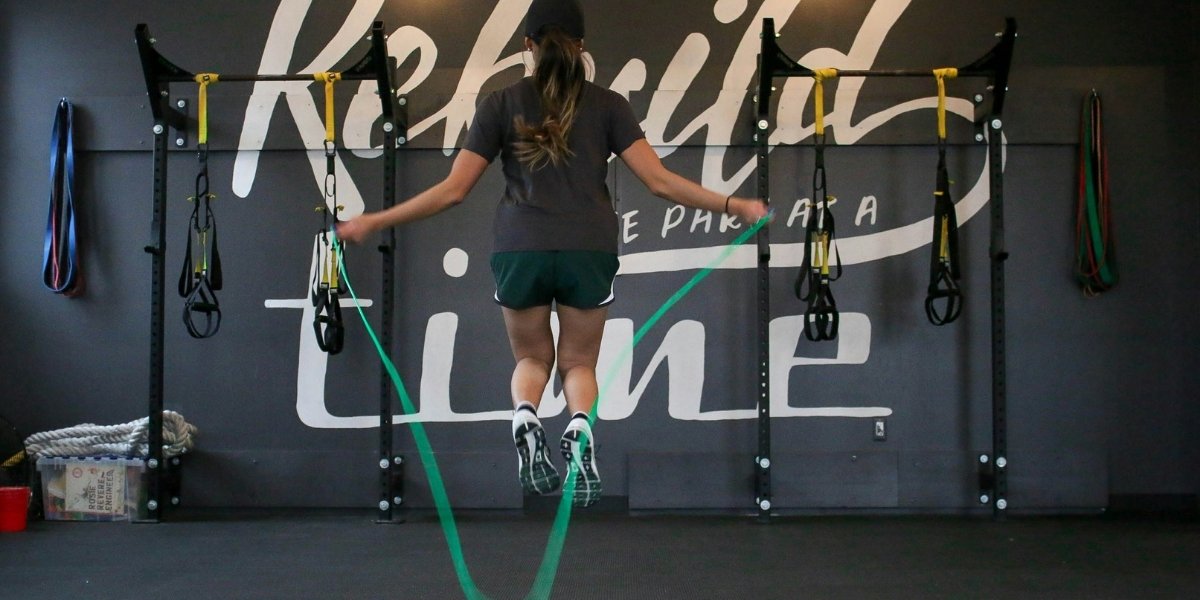
Jumping rope is a high-intensity cardio workout that engages the entire body, especially your legs, arms, and core. It improves coordination, burns calories rapidly, and can be done almost anywhere. It’s also great for improving cardiovascular fitness and endurance.

  • Calories burned per hour: 700-1,000 (depending on speed and intensity)

Swimming

Swimming is a full-body workout that targets all major muscle groups while providing an effective cardiovascular workout. It’s also a low-impact exercise, making it ideal for those with joint issues. Swimming helps improve strength, flexibility, and endurance, all while burning a significant number of calories.

  • Calories burned per hour: 400-700 (depending on stroke and intensity)

High-Intensity Interval Training (HIIT)

HIIT combines short bursts of intense exercise with periods of rest or low-intensity exercise. This method increases your heart rate, burns fat, and boosts metabolism. HIIT workouts are often shorter in duration but can be highly effective for weight loss because they elevate your heart rate and calorie burn significantly.

  • Calories burned per hour: 600-1,000 (depending on exercises and intensity)

Best Strength Training Exercises for Weight Loss

Strength training builds muscle and helps burn fat even when you’re at rest. These exercises focus on multiple muscle groups, increasing strength while promoting weight loss.

Squats

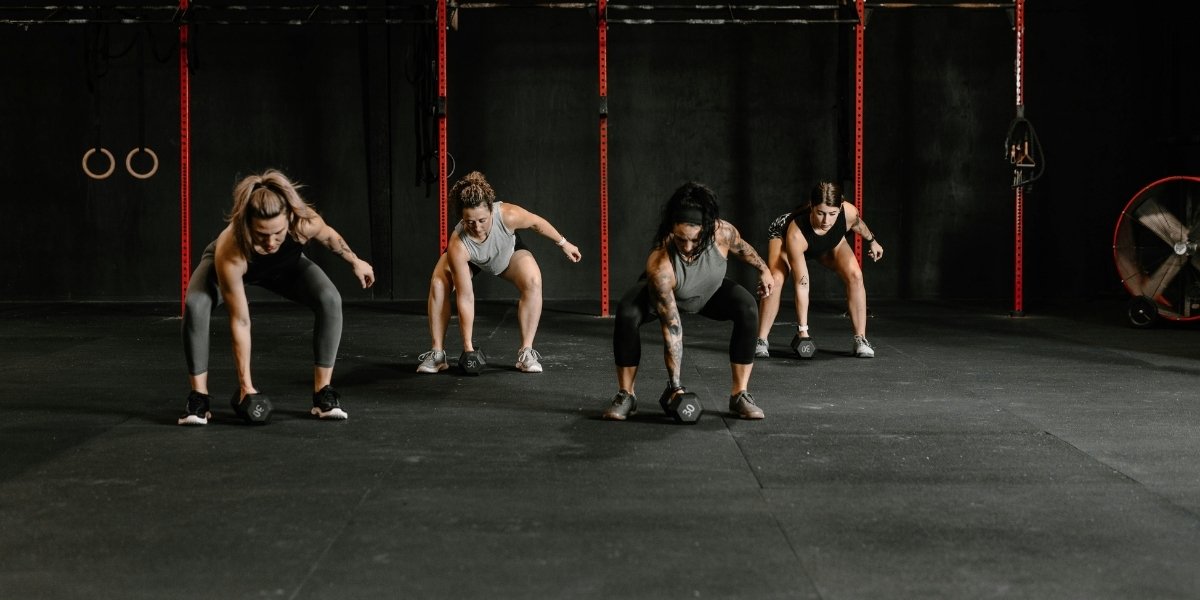
Squats are one of the most effective exercises for building lower body strength and burning calories. They target your quads, hamstrings, glutes, and core, and can be performed using just your body weight or added resistance (such as dumbbells or a barbell).

  • Calories burned: 200-300 per 30 minutes (depending on intensity)

Lunges

Lunges engage your legs, glutes, and core, making them an excellent choice for weight loss and toning. They are great for improving balance and stability while strengthening the lower body. You can perform lunges with or without weights, depending on your fitness level.

  • Calories burned: 200-300 per 30 minutes (depending on intensity)

Push-Ups

Push-ups are a great upper body strength exercise that works your chest, shoulders, triceps, and core. They are excellent for building upper body muscle mass, which can lead to increased calorie burn. Variations, such as incline or decline push-ups, can increase the challenge and target different muscle groups.

  • Calories burned: 200-300 per 30 minutes (depending on intensity)

Deadlifts

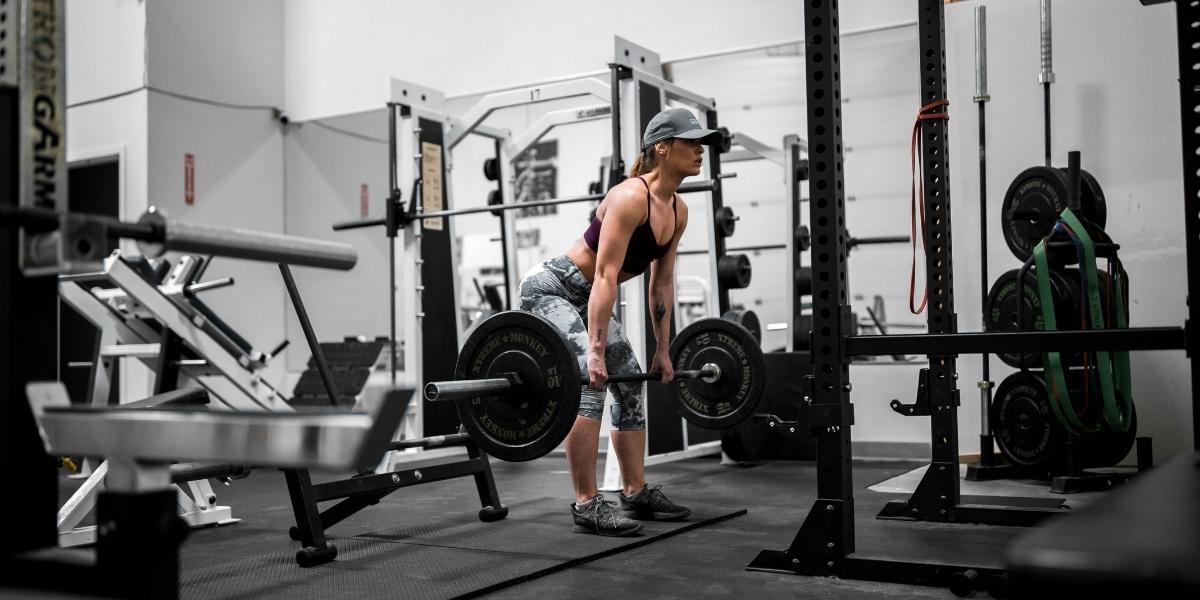
Deadlifts target your lower back, legs, glutes, and core, and are incredibly effective for building muscle and burning calories. Performing deadlifts with correct form can significantly increase your strength and improve overall posture.

  • Calories burned: 300-400 per 30 minutes (depending on weight and intensity)

Plank

The plank is an excellent core-strengthening exercise that also engages your shoulders, back, and legs. By holding the plank position for extended periods, you build muscle endurance and help tighten the core, which supports better posture and weight loss.

  • Calories burned: 150-200 per 30 minutes (depending on variations)

Combining Cardio and Strength Training for Maximum Results

The most effective weight loss program combines both cardio and strength training. This combination promotes muscle growth, burns fat, and increases your overall metabolism. For example, you can alternate between cardio and strength training days, or even combine them in a single session with circuit training or HIIT.

Sample Weekly Workout Plan

  • Day 1: Cardio (Running or Cycling)

  • Day 2: Strength training (Full body workout)

  • Day 3: Rest or low-impact activity (Yoga or Stretching)

  • Day 4: Cardio (Swimming or Jump Rope)

  • Day 5: Strength training (Focus on legs and core)

  • Day 6: HIIT (Full body workout)

  • Day 7: Rest or active recovery (Walking or light cycling)

Staying Consistent and Tracking Progress

Consistency is key when it comes to weight loss. It’s essential to follow a regular exercise routine and track your progress over time. Use fitness apps, trackers, or journals to monitor your workouts and stay motivated. Additionally, remember that weight loss is a gradual process, and results take time. Pairing exercise with a balanced, healthy diet will accelerate your results and help you maintain a sustainable weight loss journey.

Read Also: Creating a Morning Routine for a Productive and Positive Day

Effective weight loss exercises require a combination of cardio and strength training to maximize fat burn, build muscle, and improve overall fitness. By incorporating a mix of these exercises into your routine, you can enhance your body composition, boost metabolism, and achieve lasting results. Whether you prefer running, cycling, or strength training exercises, choosing a variety of activities that you enjoy will help keep you motivated and committed to your fitness goals.

Time-Saving Workouts for Busy People

Why Are Time-Saving Workouts Gaining Popularity?

In today’s fast-paced world, fitting in a workout often feels impossible. Between work, family, and other obligations, many people struggle to find time for regular exercise. This is where time-saving workouts come in. Short, effective routines are designed to help busy individuals stay fit without the need for long hours at the gym.

As life becomes more demanding, finding a way to stay active without sacrificing time is a growing priority. The good news is that these time-efficient workouts are gaining popularity because they offer a practical solution. By maximizing results in minimal time, they are becoming the go-to choice for those looking to maintain a healthy lifestyle despite hectic schedules.

Read Also: Thriving in Difficult Times: Resilience Tips for Overcoming Challenges

How Can Short Workouts Deliver Real Results?

One of the biggest misconceptions about short workouts is that they aren’t as effective as longer sessions. However, research shows that time-saving workouts can deliver real, measurable results. The key lies in intensity. High-Intensity Interval Training (HIIT) is one of the most popular approaches for busy individuals. These quick, intense bursts of exercise followed by short rest periods are designed to burn more calories in less time.

Studies indicate that HIIT can be more effective than traditional steady-state cardio in improving cardiovascular health, burning fat, and building endurance. The short, high-effort sessions push your body to its limits, making them ideal for individuals with limited time. In fact, some HIIT workouts can last as little as 15 to 20 minutes while still providing significant health benefits.

What Are Some Effective Time-Saving Workout Options?

For those with little time to spare, there are several time-saving workout options that pack a punch. One of the most efficient methods is circuit training, where different exercises are performed back-to-back with minimal rest. This method targets multiple muscle groups and boosts your metabolism, leading to increased fat burning and muscle toning.

Another great option is bodyweight exercises, such as push-ups, squats, and planks. These exercises can be done anywhere, require no equipment, and provide a full-body workout. The beauty of bodyweight exercises is that they can be adjusted to suit any fitness level, and they can be combined into a short but effective workout session.

For those who prefer a little variety, tabata workouts are another excellent choice. Tabata is a form of HIIT that consists of 20 seconds of intense exercise followed by 10 seconds of rest, repeated for 4 minutes per exercise. This allows you to fit in several exercises in a short period of time while still challenging your body.

Can These Workouts Be Done at Home?

Absolutely. One of the major benefits of time-saving workouts is that they can be done from the comfort of your home, eliminating the need for a gym membership or lengthy commute. Many people are now embracing home workouts, as they save time and allow for greater flexibility.

With the right exercises, you can create a highly effective home workout routine in as little as 20 to 30 minutes. No special equipment is necessary for many workouts, though resistance bands, dumbbells, or kettlebells can enhance the intensity if available. The convenience of working out at home means that you can easily incorporate fitness into your daily routine, whether it’s in the morning, during lunch, or in the evening.

Are There Any Benefits Beyond Fitness?

The benefits of time-saving workouts extend beyond physical fitness. Regular exercise has been shown to improve mental health, boost energy levels, and enhance overall well-being. Even short bursts of exercise can lead to improved mood, reduced stress, and better sleep quality.

Moreover, time-efficient workouts help build consistency. By committing to shorter sessions, people are more likely to stick with their fitness plans. When workouts are manageable and don’t interfere too much with busy schedules, individuals are more likely to make exercise a regular part of their routine, leading to long-term health benefits.

How Do Time-Saving Workouts Fit Into a Busy Schedule?

One of the most appealing aspects of time-saving workouts is their adaptability. These workouts can fit into even the busiest of schedules, making it easier to prioritize fitness without feeling overwhelmed. Whether you’re getting up 30 minutes earlier, fitting in a workout during lunch, or squeezing in a session before bed, short workouts provide flexibility.

Many people find that exercising in the morning helps boost productivity and focus throughout the day. Alternatively, a quick session during lunch can help alleviate stress and reenergize you for the rest of the workday. Short evening workouts can provide a relaxing way to wind down and promote better sleep.

Read Also: Charismatic Leadership: Inspiring Others Through Charisma and Charismatic Leadership

What Are the Long-Term Benefits of Time-Saving Workouts?

While the appeal of time-saving workouts lies in their ability to fit into a busy schedule, the long-term benefits are what keep people coming back. Consistent short workouts lead to improved strength, endurance, and cardiovascular health. Over time, they can also help with weight management, flexibility, and overall muscle tone.

Perhaps most importantly, these workouts provide a sustainable way to stay active. By incorporating short, manageable sessions into daily life, you create a healthy habit that will last. When fitness doesn’t feel like a burden, it becomes a natural part of your lifestyle, no matter how hectic your days may be.

Slouching: How Fitness Can Help You Stand Tall Again

Why Is Slouching Such a Common Issue?

Slouching is one of those habits that can sneak up on you. What begins as a slight lean or a few minutes of poor posture quickly turns into a habitual position that affects your overall well-being. From long hours spent sitting at desks to hunching over screens, slouching has become a common part of modern life. Yet, it’s not just an aesthetic issue—it’s a sign of deeper imbalances in the body.

When the body is in a slouched position, muscles become weakened and overactive in the wrong places. This can lead to a cascade of problems, from back pain to headaches. The good news is that with a strategic fitness approach, slouching can be corrected, and the body can regain its natural alignment.

Read Also: Nailing Style: Dive into Nail Art and Manicure Ideas – Unveiling Trendy Designs, DIY Tips, and At-Home Nail Care Wisdom

How Does Fitness Help Correct Slouching?

Fitness plays a central role in correcting slouching by targeting the muscles responsible for poor posture. When you slouch, certain muscles—such as the chest muscles and the front of your shoulders—tighten, while others, like the muscles along the back, weaken. This imbalance encourages the body to adopt a forward position, often resulting in chronic pain and discomfort.

By strengthening the back muscles and stretching the chest, fitness routines can reverse this pattern. Focusing on exercises that target the upper back, shoulders, and core can help promote a more neutral spine, giving the body the ability to hold an upright posture naturally. Additionally, strengthening the lower back and hip muscles helps provide a stable base, making it easier to stand tall without effort.

Which Exercises Are Most Effective for Slouching?

Some exercises are particularly helpful in reversing slouching by directly addressing the muscular imbalances it causes. These movements focus on opening the chest, stretching tight muscles, and strengthening those that often get neglected.

Rows and reverse flys are great for strengthening the upper back and shoulders, counteracting the forward hunch. Chest stretches help lengthen tight muscles in the front of the body, creating more space for the chest to expand. Yoga poses like the Cobra and Child’s Pose are excellent for stretching the spine and chest, while planks and bridges target the core and lower back for better overall posture.

These exercises work by targeting the specific muscle groups that help correct slouching. A fitness routine that incorporates a mix of these moves, along with proper breathing techniques, can make a huge difference in how your posture feels and looks.

Can Stretching Alone Fix Slouching?

While stretching is essential for opening up tight muscles and improving flexibility, it’s not enough on its own. Correcting slouching requires a comprehensive approach that includes both strengthening exercises and flexibility work.

Stretching helps improve range of motion, but strengthening exercises are necessary to build muscle support around the spine. Without strengthening the muscles of the back, shoulders, and core, slouching can persist despite regular stretching. A balanced fitness plan, which includes both strength training and stretching, provides the best results when it comes to posture correction.

How Long Does It Take to See Results from Fitness Training?

Correcting slouching with fitness doesn’t happen overnight. Like any physical transformation, it takes time, patience, and consistency. In general, you can expect to see noticeable improvements in posture within a few weeks to a couple of months of regular training. The exact timeline will vary based on how severe your slouching is, your current fitness level, and how consistently you’re working on improving your posture.

Starting with a few days of targeted exercises each week, then gradually increasing intensity, will help your body adapt. You might notice less tension in your shoulders and back, an easier time holding an upright position, and even a reduction in headaches and other discomforts linked to poor posture.

Are There Any Lifestyle Changes That Can Help with Slouching?

Fitness alone is not the complete solution to slouching. Small lifestyle changes can also support your efforts in improving posture. Paying attention to ergonomics—whether sitting at a desk, walking, or lifting—can make a huge difference. Ensure that your workstation is set up to support an upright posture, with your screen at eye level and your feet flat on the floor.

Taking regular breaks from sitting, ideally every 30 to 45 minutes, also helps combat the effects of prolonged slouching. Stand up, stretch, or walk around for a few minutes to keep your muscles engaged. Similarly, practicing good posture habits throughout the day—such as standing tall with your shoulders back and your chest open—reinforces the positive changes you’re making with fitness.

Can Yoga and Pilates Help with Slouching?

Both yoga and Pilates are excellent for improving posture and correcting slouching. These practices focus on strengthening the core, opening up the chest, and improving spinal alignment. Many yoga poses are specifically designed to lengthen the spine and stretch the chest muscles, which can directly combat the effects of slouching.

Pilates, on the other hand, emphasizes core strength, which plays a key role in maintaining proper posture. By developing the muscles in the abdomen and lower back, Pilates helps create a solid foundation for standing tall and upright.

Both yoga and Pilates can complement other fitness routines and are ideal for building long-term flexibility and strength that support good posture.

Read Also: Lipstick: The Rich History and Impact Behind the Iconic Beauty Product

Why Should You Start Correcting Slouching Today?

Slouching may seem like a harmless habit, but over time, it can cause significant discomfort and lead to more serious musculoskeletal problems. By addressing slouching early on through fitness, you can prevent long-term issues such as chronic pain, nerve compression, and even digestive problems caused by poor posture.

Starting with a fitness routine that strengthens and stretches the right muscles gives you the best chance at correcting slouching and maintaining a healthier posture for years to come. Don’t wait until discomfort becomes chronic—take steps today to stand tall with confidence.

Strength Over Slimness: Embracing Fitness and Building Strength

There’s been a noticeable shift in the way women approach fitness. In the past, many women focused primarily on weight loss, seeing slimness as the main goal of working out. Now, more women are turning their attention to building strength, with weightlifting and resistance training becoming key parts of their fitness routines. This change is not just about physical results but also about empowerment and developing a healthier relationship with their bodies. Let’s explore how this growing trend is transforming fitness for women and why strength over slimness is gaining popularity.

Read Also: The Health Risks of Climate Change: What You Need to Know

Why Are More Women Choosing Strength Over Slimness?

The rise of strength training among women is rooted in a desire for empowerment and a focus on what the body can do, rather than how it looks. Strength-building activities, such as weightlifting and resistance training, provide tangible results that are not tied to appearance alone. Many women feel stronger, more confident, and more capable as they see improvements in their strength, endurance, and overall health.

This shift also stems from a rejection of the long-standing societal pressure for women to fit into narrow beauty standards. The focus on slimness often led to restrictive diets and exercise routines that prioritized appearance over well-being. But with the rise of strength training, women are embracing a more balanced approach to fitness that celebrates their body’s abilities. By focusing on strength, women can set personal goals that are rooted in performance, such as lifting heavier weights or improving their stamina, rather than purely aesthetic goals.

In addition, strength training has been shown to have significant health benefits. Beyond building muscle, it helps improve bone density, boosts metabolism, and reduces the risk of injury. For many women, this holistic approach to fitness is more rewarding and sustainable in the long run.

How Can Women Get Started with Strength Training?

For those new to strength training, it can seem intimidating, especially in spaces where weightlifting has traditionally been seen as a male-dominated activity. However, strength training is accessible to everyone, regardless of experience or fitness level. One of the best ways to start is by learning the basics of resistance training, which can include exercises like squats, lunges, and push-ups. These movements use your body weight to build strength and are great for beginners.

As you become more comfortable, adding free weights like dumbbells or kettlebells to your routine can help you progress. Start with lighter weights and gradually increase the load as your strength improves. The key is to focus on form and technique to avoid injury. Many women find that working with a personal trainer or joining a strength-focused group class can provide valuable guidance and encouragement.

It’s also important to remember that strength training doesn’t have to be intense or time-consuming. Consistency is more important than duration. Even short, regular sessions can lead to significant improvements over time. Whether at home or in a gym, strength training is a flexible and adaptable form of exercise that can fit into any schedule.

What Are the Benefits of Focusing on Strength?

The benefits of focusing on strength over slimness go beyond physical changes. One of the most empowering aspects of strength training is the boost in confidence that comes from seeing what your body is capable of achieving. Lifting heavier weights, completing challenging sets, or mastering a new exercise can provide a sense of accomplishment that’s deeply rewarding.

Strength training also helps women build a more positive body image. Instead of seeing exercise as a way to “fix” or “change” their bodies, women begin to appreciate their bodies for their strength and resilience. This mindset shift fosters a healthier relationship with fitness, where exercise becomes a celebration of what the body can do, rather than a punishment for what it isn’t.

Read Also: How to Choose Your Wellness Word for 2025

Additionally, strength training supports long-term health. It helps maintain muscle mass as we age, which is crucial for mobility and independence. Strength training also improves posture, enhances balance, and supports joint health, reducing the risk of injury. The metabolic boost from increased muscle mass can also help women maintain a healthy weight without the need for restrictive diets.

Ultimately, strength training encourages women to focus on their well-being, fostering a sense of empowerment and self-respect that goes far beyond the physical benefits. It’s a reminder that fitness isn’t about achieving a certain look, but about feeling strong, capable, and confident in your own skin.

Quick and Fun Workouts: HIIT for Busy Women

What’s HIIT?

HIIT, or High-Intensity Interval Training, is like a quick and powerful workout buddy. It’s all about doing short bursts of intense exercises, then taking a little break before starting again.

Why HIIT for Busy Women?

  1. Fast Workouts: HIIT workouts don’t take much time – usually 20 to 30 minutes. Perfect for squeezing in during a break or before your day gets busy.
  2. Calorie Burner: Even after you finish, your body keeps burning calories. It’s like getting bonus points for your workout!
  3. No Fancy Gear: You don’t need a bunch of equipment for HIIT. Simple exercises like squats, lunges, and push-ups can do the trick.
  4. Works for Everyone: Whether you’re a beginner or a workout pro, you can adjust HIIT to fit your fitness level. You decide how hard or easy it gets.

Quick HIIT Routines for Busy Days:

1. Tabata Fun:

  • 20 seconds of quick exercise (like jumping jacks)
  • 10 seconds to catch your breath
  • Do this for 4 minutes

2. Bodyweight Party:

  • 30 seconds of squats
  • 30 seconds of push-ups
  • 30 seconds of mountain climbers
  • 30 seconds to rest
  • Repeat for 15-20 minutes

3. Cardio Dance:

  • 1 minute of jumping in place
  • 1 minute of quick burpees
  • 1 minute of high knees
  • 1 minute to rest
  • Repeat for 15-20 minutes

Tips for Busy Women Doing HIIT:

  1. Plan Your Workouts: Treat your workout time like a special appointment. Having a plan helps you stick to your exercise routine.
  2. Mix It with Daily Stuff: You can be a workout ninja during the day. Take the stairs, do some lunges while waiting for coffee – every bit adds up!
  3. Have Fun: Pick exercises you enjoy. Whether it’s dancing, boxing, or biking, having fun makes it easier to stay active.
  4. Listen to Your Body: Pay attention to how your body feels. If you’re new to exercising or have health questions, talk to a doctor before starting something new.

In the end, HIIT is like a quick and effective workout friend for busy women. With different exercises and flexible routines, adding HIIT to your life can make you fitter and happier, even with a packed schedule. Remember, moving a little is better than not moving at all, and finding what makes you smile while working out is the secret to sticking with it.