Thrive Monthly

Achieve Clear Skin: The Power of Alpha Arbutin

Alpha Arbutin vs. Hyperpigmentation: Achieve Clearer Skin

Hyperpigmentation, characterized by the darkening of skin areas, is a common dermatological concern that affects many individuals seeking an even skin tone. This condition manifests in various forms, including sunspots, age spots, melasma, and post-inflammatory hyperpigmentation, often resulting from factors like sun exposure, hormonal changes, or skin injury. These darker patches arise when there is an overproduction of melanin, the pigment responsible for skin color, leading to an uneven complexion. The pursuit of clearer, more uniform skin drives many to explore effective solutions that can safely address these pigmentary irregularities, without causing further irritation or sensitivity.

Addressing hyperpigmentation effectively requires an understanding of how melanin is produced in the skin and how certain ingredients can intervene in this process. While many active compounds aim to lighten dark spots, their mechanisms of action and suitability for different skin types can vary. Some ingredients work by exfoliating the skin to remove pigmented cells, while others target the melanin production pathway directly. The goal is to inhibit the excessive synthesis of melanin without completely stripping the skin of its natural color, which could lead to undesirable side effects. Finding a balanced approach is key to achieving lasting results and maintaining skin health.

Read Also: K-Beauty Explained: Why Korean Skincare Trends Globally

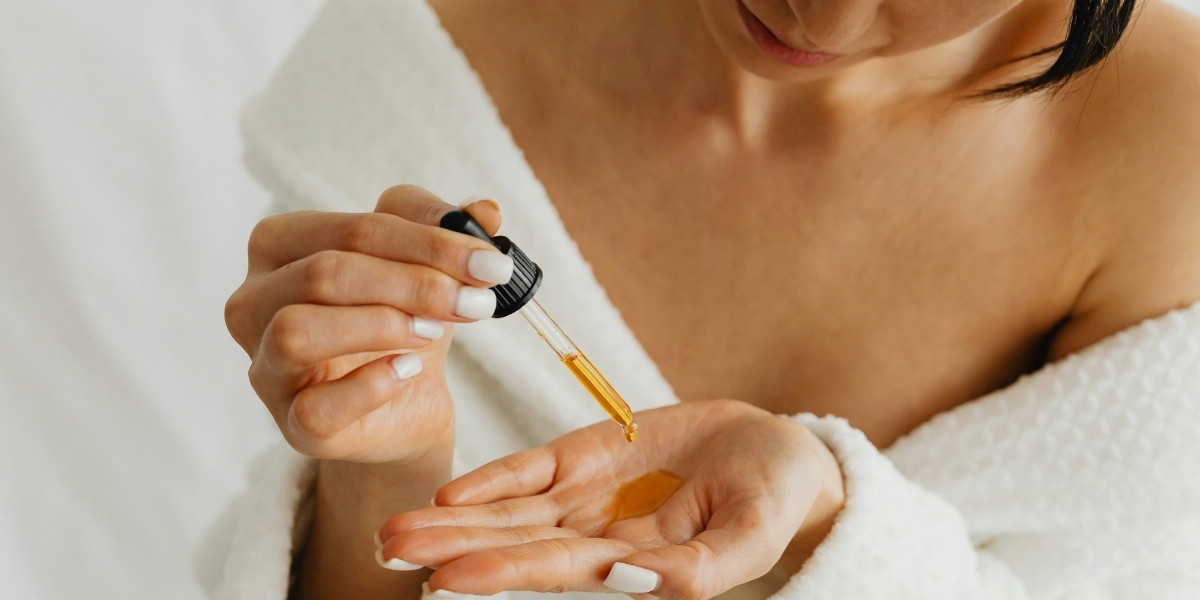
Alpha Arbutin emerges as a notable ingredient in the realm of skin brightening. It is a derivative of hydroquinone, a powerful depigmenting agent, but it offers a gentler approach. Unlike some other ingredients, alpha arbutin works by slowly releasing hydroquinone within the skin, providing a controlled and sustained inhibition of tyrosinase, the enzyme crucial for melanin production. This gradual release minimizes the risk of irritation often associated with more aggressive treatments, making it a favored choice for many individuals looking to achieve a clearer and more even skin tone without significant adverse reactions. Its ability to target the root cause of hyperpigmentation while being relatively mild positions it as a valuable asset in skincare formulations.

How Does Alpha Arbutin Work to Reduce Dark Spots?

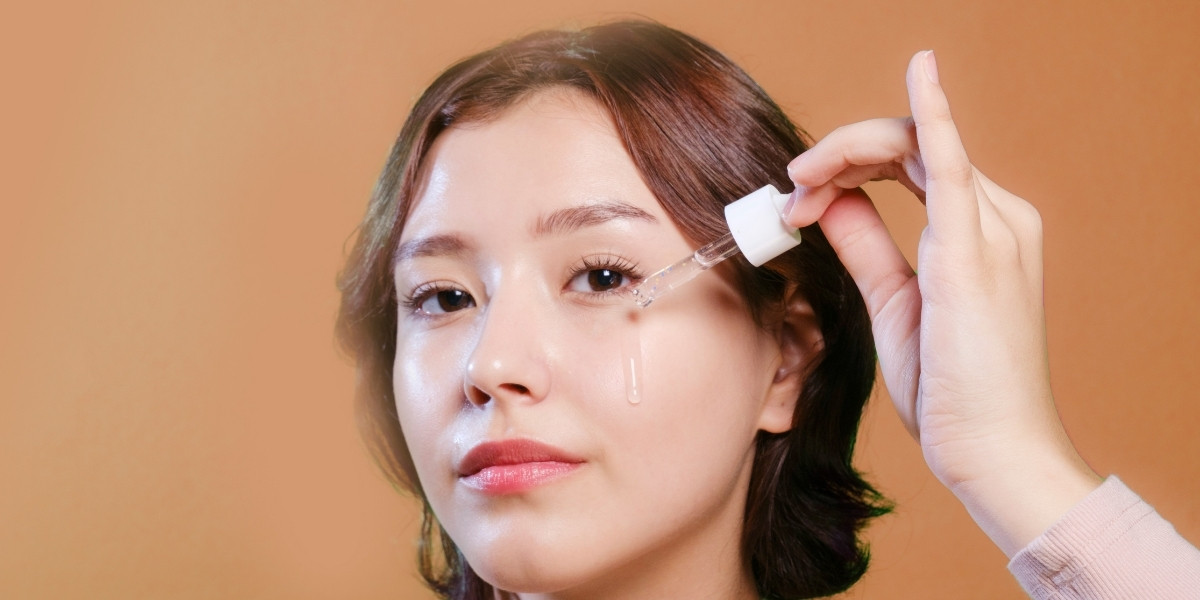
Alpha Arbutin functions as a potent yet gentle agent in reducing the appearance of dark spots by directly targeting the melanin synthesis pathway. Its mechanism of action involves inhibiting tyrosinase, a key enzyme located within melanocytes, the cells responsible for producing melanin. By competitively binding to the active site of tyrosinase, alpha arbutin effectively reduces the enzyme’s activity. This interference slows down the conversion of tyrosine into melanin, thereby decreasing the overall production of pigment in the affected areas. The beauty of this process lies in its precision, as it specifically targets the overactive melanin production without causing widespread depigmentation or damaging the surrounding skin cells.

The unique molecular structure contributes to its efficacy and stability. As a glycoside, it is composed of a hydroquinone molecule bound to a sugar moiety. This glycosidic bond ensures that hydroquinone is released slowly and gradually when applied to the skin, unlike its more direct counterpart. This controlled release mechanism is crucial for minimizing potential irritation, making a more tolerable option for individuals with sensitive skin who might react adversely to other skin-lightening ingredients. The sustained release means that the active component continues to work over time, offering consistent inhibition of melanin formation for prolonged benefits.
Photo Credit: Unsplash.com

This sustained inhibition of tyrosinase activity helps to fade existing dark spots and prevents the formation of new ones. Regular and consistent use of products containing alpha arbutin can lead to a noticeable improvement in skin tone uniformity. By reducing the excessive melanin, areas of hyperpigmentation gradually lighten, blending more seamlessly with the surrounding skin. The ingredient’s ability to act as a preventive measure against future darkening, especially when paired with adequate sun protection, further solidifies its role as a key player in managing and achieving clearer skin. Its focused action provides a reliable pathway to addressing various forms of hyperpigmentation.

Is Alpha Arbutin Suitable for All Skin Types?

Alpha Arbutin is generally considered suitable for most skin types, including those that are sensitive or prone to irritation. Its gentle nature, primarily due to the slow and controlled release of hydroquinone, distinguishes it from more aggressive skin-lightening agents that can sometimes cause redness, dryness, or peeling. This makes it an appealing option for individuals who have previously experienced adverse reactions to other depigmenting ingredients. The ingredient works to brighten the complexion without disrupting the skin’s natural barrier, contributing to overall skin health while addressing pigmentary concerns.

As with any active skincare ingredient, individual reactions can vary. While many find alpha arbutin to be well-tolerated, it is always advisable to perform a patch test before incorporating a new product into a full skincare routine. Applying a small amount of the product to an inconspicuous area of the skin, such as behind the ear or on the inner forearm, and observing for any signs of irritation for 24-48 hours can help determine personal compatibility. This simple step can prevent widespread reactions and ensure the product is suitable for one’s specific skin sensitivities.

For individuals with extremely reactive skin or those with pre-existing conditions, consulting with a dermatologist is always the best course of action. A skin professional can provide personalized advice, assess individual skin concerns, and recommend the most appropriate and safe treatment plan. While alpha arbutin boasts a strong safety profile and is known for its gentle action, professional guidance can ensure optimal results and prevent any potential unforeseen issues, making the journey to clearer skin a smooth and effective one.

How Long Does It Take to See Results with Alpha Arbutin?

The timeline for seeing visible results when using alpha arbutin can vary depending on several factors, including the severity and type of hyperpigmentation, individual skin cell turnover rates, and the consistency of product application. Generally, users may begin to notice initial improvements in skin tone within a few weeks of consistent use. These early changes often manifest as a slight lightening of dark spots or a more radiant overall complexion, indicating that the ingredient is actively working to inhibit melanin production and promote a more even skin tone. Patience is a key aspect of any effective skincare regimen, especially when addressing established pigmentation concerns.

Photo Credit: Unsplash.com

For more significant and noticeable reductions in hyperpigmentation, continuous use over several months, typically anywhere from 2 to 3 months, is often required. This longer period allows for the skin’s natural cell renewal process to bring lighter, less pigmented cells to the surface, gradually fading the appearance of dark patches. It is also crucial to remember that preventing new dark spots from forming is an ongoing effort. Regular application helps to maintain the benefits and prevent recurrence, especially when combined with diligent sun protection, which is perhaps the most critical step in managing hyperpigmentation.

To maximize the efficacy of alpha arbutin and achieve clearer skin, consistency is paramount. Integrating the ingredient into both morning and evening skincare routines, as directed by the product instructions, ensures a steady supply of the active compound to the skin. Combining with other complementary ingredients, such as vitamin C or niacinamide, and consistently using a broad-spectrum sunscreen with a high SPF, can further enhance results and protect the skin from further sun-induced pigmentation. Protecting the skin from UV radiation is essential, as sun exposure can quickly undo any progress made in lightening dark spots.

Can Alpha Arbutin Be Used with Other Skincare Ingredients?

Alpha Arbutin is known for its stability and its ability to play well with many other common skincare ingredients, making it a versatile addition to a comprehensive routine. Its gentle mechanism of action means it typically does not cause the same level of irritation that can arise when combining more aggressive actives. This compatibility allows users to formulate a multi-faceted approach to skin concerns, addressing hyperpigmentation while simultaneously tackling other issues like fine lines, texture, or hydration. The ability to layer products without immediate concern for adverse reactions simplifies the skincare journey for many.

Read Also: How Japanese Skincare Defines the Art of Ageless Beauty

It pairs particularly well with antioxidants like Vitamin C, which also aids in brightening and protecting the skin from environmental damage. When combined with Vitamin C can offer a synergistic effect, enhancing their individual capacities to fade dark spots and even out skin tone. Similarly, hyaluronic acid can be used alongside alpha arbutin to provide hydration without interfering with its efficacy. Niacinamide, known for its barrier-strengthening and anti-inflammatory properties, also complements beautifully, potentially reducing any mild sensitivity while contributing to overall skin health and luminosity.

Caution is still advised when introducing multiple active ingredients into a routine, especially if one has particularly sensitive skin. While alpha arbutin is generally gentle, pairing it with other strong exfoliants like high concentrations of AHAs or BHAs, or potent retinoids, should be done gradually and with careful observation. Starting with one new active at a time, or alternating their use on different nights, can help the skin adjust and prevent potential irritation. Consulting with a skincare professional can provide tailored advice on how to safely and effectively combine ingredients to maximize benefits and achieve optimal results for clearer skin.

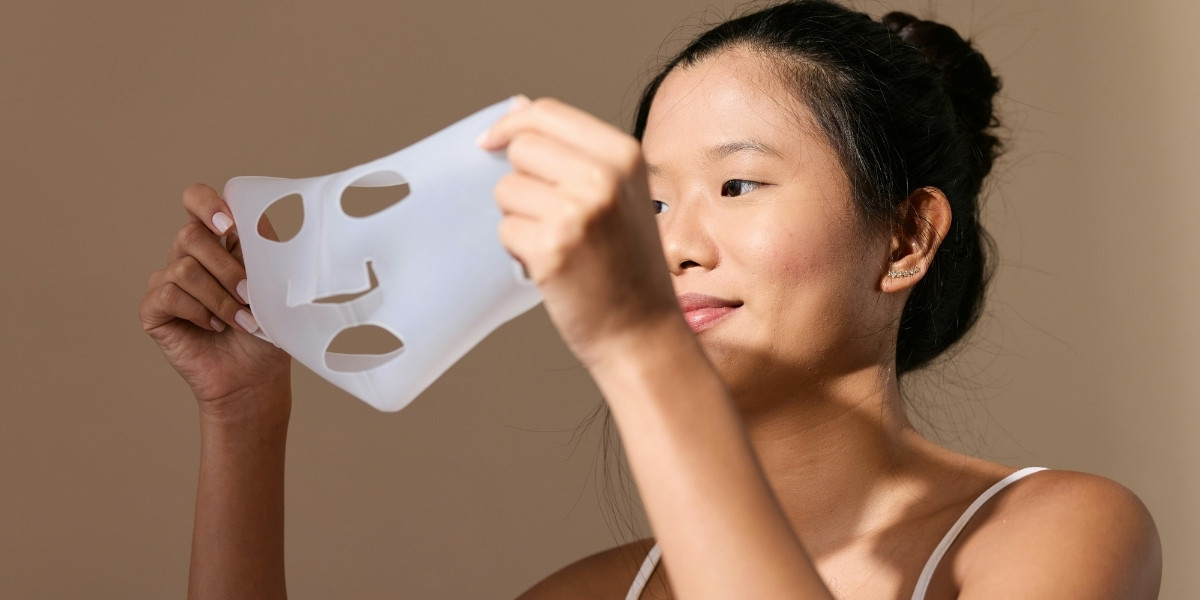
K-Beauty Explained: Why Korean Skincare Trends Globally

In the global beauty landscape, K-Beauty, or Korean skincare, has evolved from a niche interest into a dominant force, influencing routines and product development worldwide. Characterized by its innovative formulations, multi-step routines, and emphasis on skin health, K-Beauty has garnered a massive following. Its trending status is not merely a fleeting fad but a reflection of a deeply rooted cultural approach to skincare that prioritizes prevention, nourishment, and a holistic path to achieving radiant, healthy-looking skin.

Read Also: Unlocking Radiant Skin: The Science of Beauty Serums

The surge in popularity of Korean skincare can be attributed to a unique blend of factors: a philosophy that sees skincare as an investment in long-term skin health, a commitment to cutting-edge research and development, and an embrace of both traditional ingredients and advanced technology. This combination has created a category of products that are often effective, accessible, and enjoyable to use, captivating consumers across diverse demographics.

What is the Philosophy Behind K-Beauty?

At the core of K-Beauty lies a distinct philosophy that sets it apart from many other global skincare approaches. Rather than focusing solely on addressing existing skin issues with harsh treatments, K-Beauty emphasizes prevention, protection, and long-term skin health. The prevailing mindset is that skincare is an essential act of self-care and respect for one’s appearance, a belief deeply embedded in Korean culture for centuries. This often translates into a proactive rather than reactive approach to skin concerns.

The philosophy promotes the idea of achieving a “glass skin” or “honey skin” complexion – terms that describe exceptionally smooth, luminous, and hydrated skin that appears almost translucent. This ideal is pursued through gentle, consistent care, nurturing the skin’s natural barrier, and focusing on deep hydration and nourishment. It’s about building a strong foundation for healthy skin over time, using layers of lightweight products designed to work synergistically. This holistic perspective, valuing daily ritual and a comprehensive approach, is a significant draw for those seeking sustainable skin health.

How Do K-Beauty Ingredients and Formulations Innovate?

Photo Credit: Unsplash.com

One of the primary drivers behind the K-Beauty trend is its relentless innovation in ingredients and product formulations. Korean cosmetic science often integrates unique natural elements with advanced technological processes. Traditional ingredients that have been used in Asian medicine and beauty for centuries, such as ginseng, green tea, cica (centella asiatica), rice water, and fermented ingredients, are mainstays. These are chosen for their soothing, brightening, anti-inflammatory, and antioxidant properties.

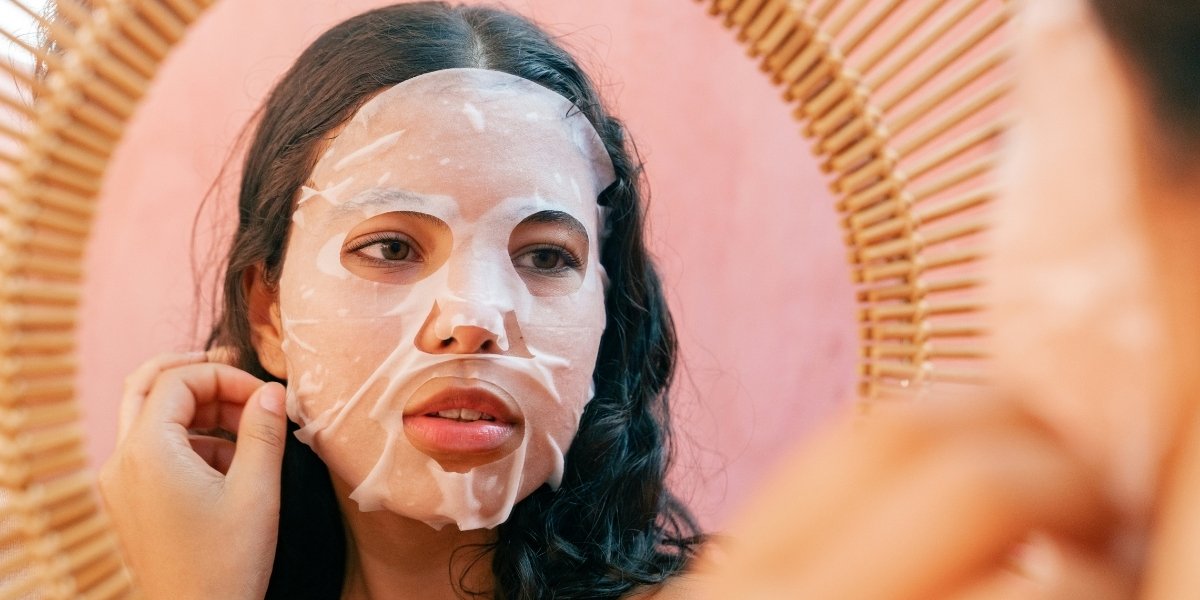
Beyond these heritage ingredients, K-Beauty laboratories are at the forefront of developing novel active compounds and textures. Concepts like snail mucin for healing and hydration, propolis for antibacterial benefits, and various types of hyaluronic acid for deep moisturization were popularized by Korean brands. The focus on gentle yet effective formulations means products often avoid harsh chemicals and artificial fragrances, appealing to consumers with sensitive skin. Furthermore, the development of innovative product formats, such as sheet masks, cushion compacts, and sleeping masks, has made skincare routines more accessible and enjoyable for a global audience, showcasing a blend of efficacy and user experience.

What Defines the K-Beauty Multi-Step Routine?

The multi-step K-Beauty routine is perhaps its most recognizable characteristic, and a key reason why Korean skincare is trending. While often popularized as a “10-step routine,” it is more accurately described as a customizable layering process designed to address specific skin needs. This methodical approach ensures that each product can deliver its benefits effectively, building upon the previous layer.

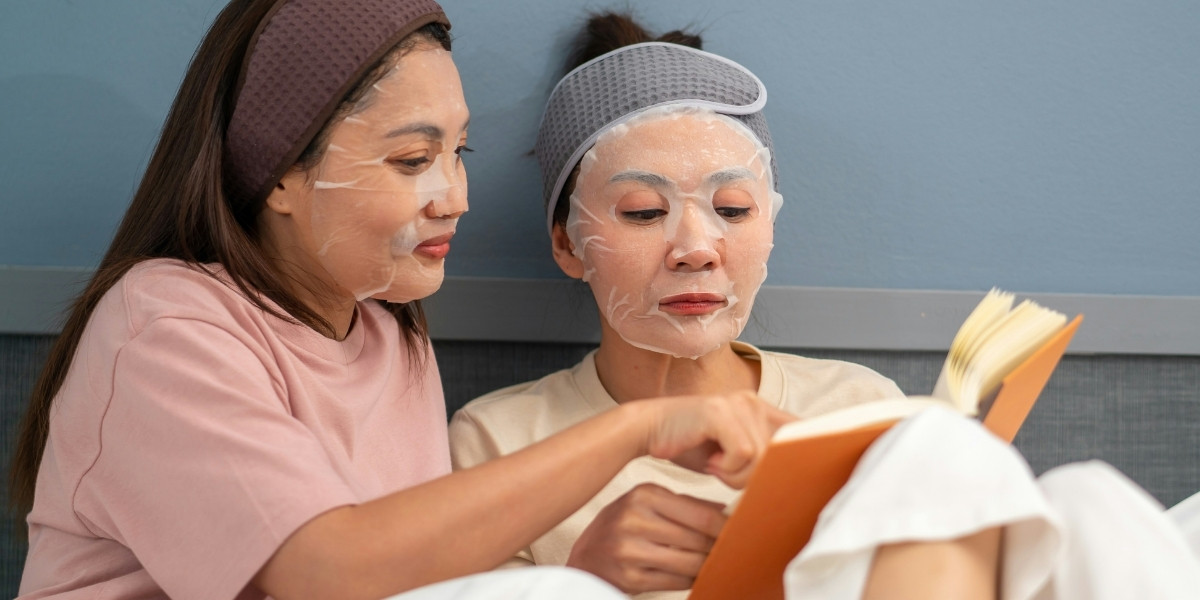
A typical routine often begins with a “double cleanse” (an oil-based cleanser followed by a water-based cleanser) to thoroughly remove makeup, sunscreen, and impurities without stripping the skin. This prepares the skin for subsequent layers. Other common steps include: exfoliation (periodically), toner to balance pH and prep skin, essences for an initial layer of hydration, serums or ampoules to target specific concerns, sheet masks for an intensive boost, eye cream for the delicate eye area, moisturizer to seal in hydration, and crucially, daily sunscreen for protection. This layered application allows for deep penetration of active ingredients and continuous hydration, contributing to the desired glow and health of the skin.

How Does K-Beauty’s Accessibility and Marketing Contribute to its Popularity?

The global rise of K-Beauty is also significantly fueled by its accessibility and strategic marketing. Despite their innovative formulations and high quality, many Korean skincare products are often competitively priced, making advanced skincare attainable for a broader consumer base than some luxury Western brands. This affordability encourages experimentation and allows consumers to build comprehensive routines without significant financial barriers.

Photo Credit: Unsplash.com

The “Hallyu” or Korean Wave, encompassing the global popularity of K-Pop music, K-Dramas, and Korean culture, has played an undeniable role in introducing K-Beauty to international audiences. Fans often aspire to the clear, radiant skin seen on their favorite celebrities, creating a powerful aspirational link to Korean beauty products. Social media platforms, including Instagram, YouTube, and TikTok, have served as essential channels for K-Beauty dissemination. Influencers, beauty bloggers, and ordinary users share product reviews, routine tutorials, and “hauls,” generating authentic engagement and driving rapid trend adoption worldwide. This combination of cultural influence, affordability, and digital marketing savvy has cemented K-Beauty’s trending status.

What Is K-Beauty’s Impact on the Global Beauty Industry?

The enduring trend of K-Beauty has had a transformative impact on the global beauty industry, fundamentally shifting consumer expectations and inspiring product development beyond South Korea. Western brands, once dominant, have increasingly adopted K-Beauty principles, incorporating multi-step routines, introducing new product categories like essences and sheet masks, and exploring innovative ingredients. The focus on skin barrier health, hydration, and gentle formulations, once a hallmark of Korean skincare, is now a more widespread emphasis across the industry.

Read Also: How Japanese Skincare Defines the Art of Ageless Beauty

K-Beauty has pushed the boundaries of packaging design, leading to more creative, aesthetically pleasing, and often functional product presentations globally. The industry’s rapid pace of innovation and product launches has also set a new standard for speed-to-market. The market for K-Beauty products is projected to continue its significant growth, with Asia-Pacific, North America, and Europe being key regions. This ongoing expansion and influence confirm that K-Beauty is not merely a passing trend but a revolutionary force that has redefined modern beauty ideals and practices on a global scale.

Understanding Salicylic Acid for Healthy Skin

Unlock Clear Skin: The Power of Salicylic Acid in Skincare

The quest for clear, blemish-free skin is a common journey for many, often leading to a complex array of skincare ingredients and routines. Among the most revered and effective components in this pursuit is Salicylic Acid. Far from being a fleeting trend, this powerhouse ingredient has stood the test of time, consistently proving its efficacy in addressing a wide range of skin concerns, particularly those related to acne, excess oil, and clogged pores. Its unique properties allow it to delve deeper into the skin’s architecture, making it an indispensable tool for achieving a visibly healthier and clearer complexion.

Read Also: Benefits of Antioxidants for Skin Health: What You Should Know

The true magic of Salicylic Acid lies in its specific chemical structure, which grants it unparalleled abilities in skin exfoliation and purification. Understanding how this ingredient interacts with the skin at a molecular level reveals why it is so widely recommended by dermatologists and found in countless effective skincare formulations. It is not merely an abrasive, but a sophisticated agent that gently yet effectively unplugs pores and reduces inflammation, paving the way for a smoother, more radiant appearance. Embracing the power of Salicylic Acid can indeed be the key to unlocking the clear skin many aspire to achieve.

What exactly is Salicylic Acid and how does it work on skin?

Salicylic Acid is a beta-hydroxy acid (BHA), a class of chemical exfoliants distinct from the more commonly known alpha-hydroxy acids (AHAs). Its defining characteristic, and what makes it particularly effective for specific skin concerns, is its oil-soluble nature. This unique property allows Salicylic Acid to penetrate oily skin and go deep into the pores, which are often clogged with sebum, dead skin cells, and debris. Unlike water-soluble AHAs that primarily work on the surface of the skin, BHAs can cut through oil, making them exceptionally potent for oilier and acne-prone complexions.

Once inside the pore, Salicylic Acid works to dissolve the “glue” that holds dead skin cells together. It acts as a desmolytic agent, loosening the bonds between these cells and promoting their shedding from within the pore lining. This action effectively unclogs pores, preventing the formation of blackheads and whiteheads, which are essentially pores blocked by oxidized sebum and dead skin. By keeping the pores clear, it not only treats existing breakouts but also plays a crucial role in preventing future ones, creating a less hospitable environment for acne-causing bacteria.

Photo Credit: Unsplash.com

Beyond its exfoliating capabilities, Salicylic Acid also possesses anti-inflammatory properties. This dual action is particularly beneficial for inflamed acne lesions, such as pustules and papules, as it helps to reduce redness and swelling. Its ability to calm irritation while simultaneously purifying pores makes it a comprehensive solution for managing breakout-prone skin. This combination of exfoliation, pore cleansing, and anti-inflammatory benefits is what truly sets Salicylic Acid apart in the world of skincare.

Which skin concerns benefit most from Salicylic Acid?

While beneficial for various skin types, certain skin concerns benefit most dramatically from the targeted action of Salicylic Acid. Foremost among these is acne, particularly mild to moderate inflammatory acne, as well as non-inflammatory lesions like blackheads and whiteheads. Its unique ability to penetrate oil-filled pores directly addresses the root cause of these blemishes by dissolving the plugs of sebum and dead skin cells that lead to breakouts. Regular use can significantly reduce the frequency and severity of acne flare-ups.

Individuals with oily skin also find immense value in Salicylic Acid. Its oil-soluble nature allows it to work effectively within the sebaceous glands, helping to regulate sebum production and reduce excessive oiliness on the skin’s surface. This leads to a less greasy complexion, minimized shine, and a reduced likelihood of pores becoming clogged in the first place. By controlling oil, it creates a healthier environment for the skin, preventing many common issues associated with an overproduction of sebum.

Salicylic Acid is highly effective in treating and preventing blackheads and whiteheads, which are types of comedones. Blackheads are open pores clogged with oxidized sebum and dead cells, appearing dark, while whiteheads are closed pores with trapped material. Since Salicylic Acid can exfoliate inside the pore lining, it efficiently clears out these blockages, leading to visibly smoother and clearer skin texture. Its consistent use can significantly diminish the appearance of these common blemishes, providing a clearer and more refined skin surface.

How does Salicylic Acid differ from other common exfoliants?

Salicylic Acid stands apart from other common chemical exfoliants, primarily alpha-hydroxy acids (AHAs) like glycolic and lactic acid, due to its unique chemical structure and oil solubility. While both BHAs and AHAs exfoliate the skin by loosening dead skin cells, their mechanisms and penetration depths differ significantly. AHAs are water-soluble, meaning they primarily work on the skin’s surface, exfoliating the outer layer of dead skin cells. This makes AHAs excellent for improving skin texture, reducing hyperpigmentation, and enhancing overall radiance, but they do not penetrate oil as effectively as BHAs.

The key differentiator for Salicylic Acid is its lipophilic (oil-loving) nature. This property allows it to seamlessly mix with the skin’s natural oils and penetrate deep into the pores, reaching the sebaceous glands where acne often originates. This deep-cleansing ability makes it superior to AHAs when it comes to unclogging pores and treating oil-related skin concerns. While AHAs excel at surface exfoliation and addressing issues like fine lines and sun damage, Salicylic Acid targets the internal environment of the pore, directly addressing the conditions that lead to acne.

Salicylic Acid possesses inherent anti-inflammatory properties, a characteristic less prominent in most AHAs. This anti-inflammatory action makes it particularly beneficial for reducing the redness and swelling associated with inflamed acne lesions. This dual capacity to exfoliate within the pore and calm inflammation positions Salicylic Acid as a uniquely powerful ingredient for acne-prone and oily skin, providing a targeted treatment that other common exfoliants cannot fully replicate.

What are the best ways to incorporate Salicylic Acid into a skincare routine?

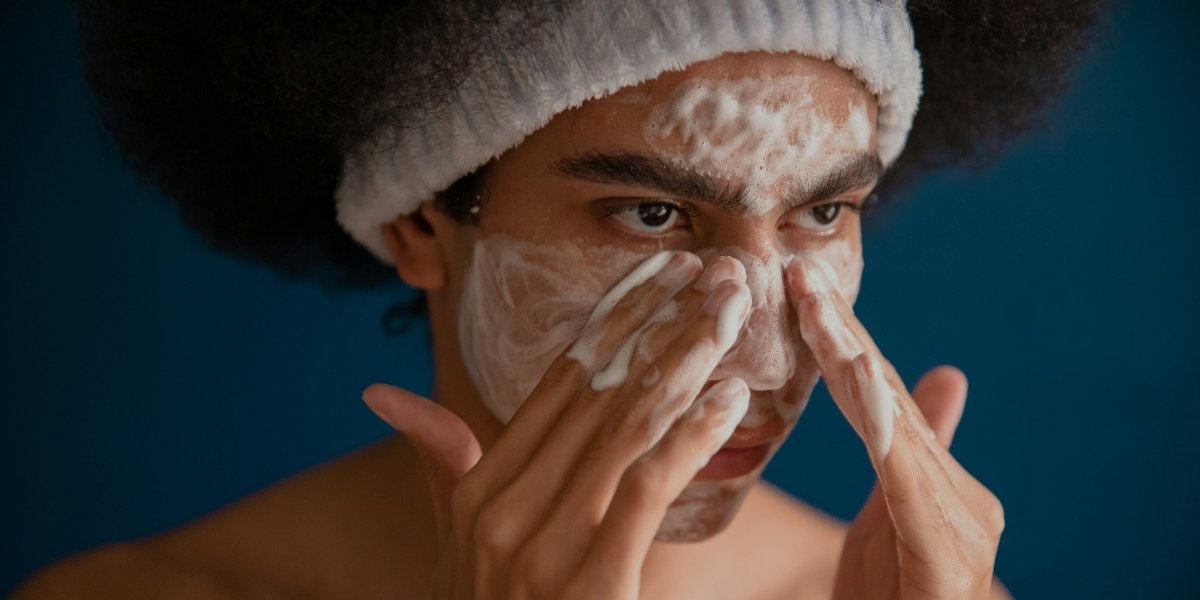
Incorporating Salicylic Acid into a daily skincare routine can be highly effective for achieving clear skin, and it is available in various formulations designed for different needs and concentrations. For general acne prevention and oil control, a cleanser containing 0.5% to 2% Salicylic Acid is an excellent starting point. Used daily or every other day, these cleansers help to gently exfoliate and purify pores without excessive dryness, making them suitable for consistent maintenance.

For more targeted treatment or deeper exfoliation, toners, serums, or lotions with Salicylic Acid are often recommended. Toners, typically used after cleansing, prepare the skin for subsequent treatments and deliver a light layer of exfoliation. Serums and lotions, which usually contain higher concentrations (often 2%), provide a more potent dose of the ingredient, allowing it to work more intensively on clogged pores and active breakouts. These can be applied to the entire affected area or used as a spot treatment for individual blemishes.

Photo Credit: Unsplash.com

When beginning with Salicylic Acid, it is advisable to start with lower concentrations and gradually increase frequency or strength as your skin adapts. Applying it every other day initially can help assess your skin’s tolerance. Always remember to follow up with a non-comedogenic moisturizer, as even oil-soluble exfoliants can cause some dryness. Crucially, due to its exfoliating action, Salicylic Acid can increase sun sensitivity, making daily application of a broad-spectrum sunscreen an absolutely essential step in any routine incorporating this powerful ingredient.

What are the potential side effects and considerations when using Salicylic Acid?

While Salicylic Acid is highly effective, it is important to be aware of potential side effects and considerations to ensure safe and beneficial use. The most common side effects are dryness, peeling, and mild irritation, particularly when first introducing the ingredient or using higher concentrations. This can manifest as redness, flakiness, or a feeling of tightness. Starting with lower concentrations (e.g., 0.5% or 1%) and applying it every other day can help the skin acclimatize and minimize these initial reactions.

Individuals with sensitive skin, or those prone to eczema or rosacea, should exercise particular caution when using Salicylic Acid. Its exfoliating properties, while beneficial for acne, can sometimes exacerbate dryness or redness in already compromised skin barriers. A patch test on a small, inconspicuous area of skin before full application is always recommended to check for adverse reactions. If severe redness, burning, or itching occurs, discontinue use and consult a dermatologist.

Read Also: How Skin Resurfacing Can Transform Your Skin Texture

A significant consideration is sun sensitivity. As an exfoliant, Salicylic Acid removes dead skin cells that offer some natural protection from UV radiation, making the skin more vulnerable to sunburn. Therefore, daily and diligent application of a broad-spectrum sunscreen with an SPF of 30 or higher is absolutely non-negotiable when incorporating Salicylic Acid into your routine, even on cloudy days or when spending limited time outdoors. Additionally, pregnant or breastfeeding individuals should consult their doctor before using products containing Salicylic Acid, especially in higher concentrations, as its safety in these contexts requires professional guidance.

How Skin Resurfacing Can Transform Your Skin Texture

What Is Skin Resurfacing and How Does It Work?

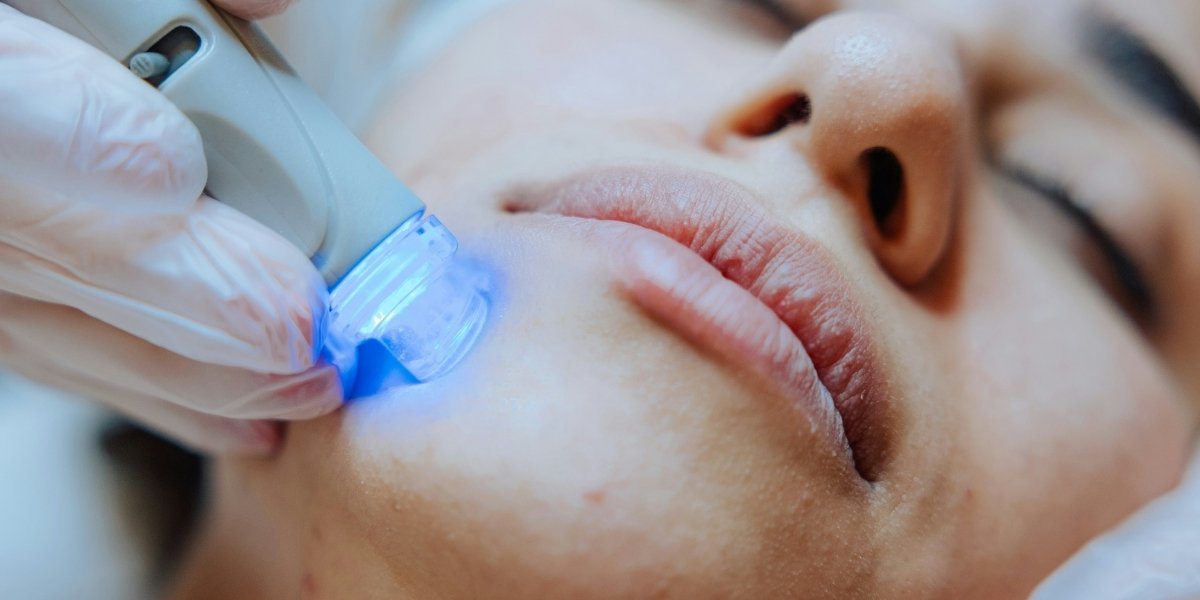
Skin resurfacing is a cosmetic procedure designed to improve the appearance and texture of the skin by removing the outermost layers of dead or damaged skin cells. It helps to reveal the smoother, younger skin beneath, giving the skin a more even tone and refined texture. The treatment can be performed using various methods, including laser resurfacing, chemical peels, and microdermabrasion.

Read Also: Benefits of Antioxidants for Skin Health: What You Should Know

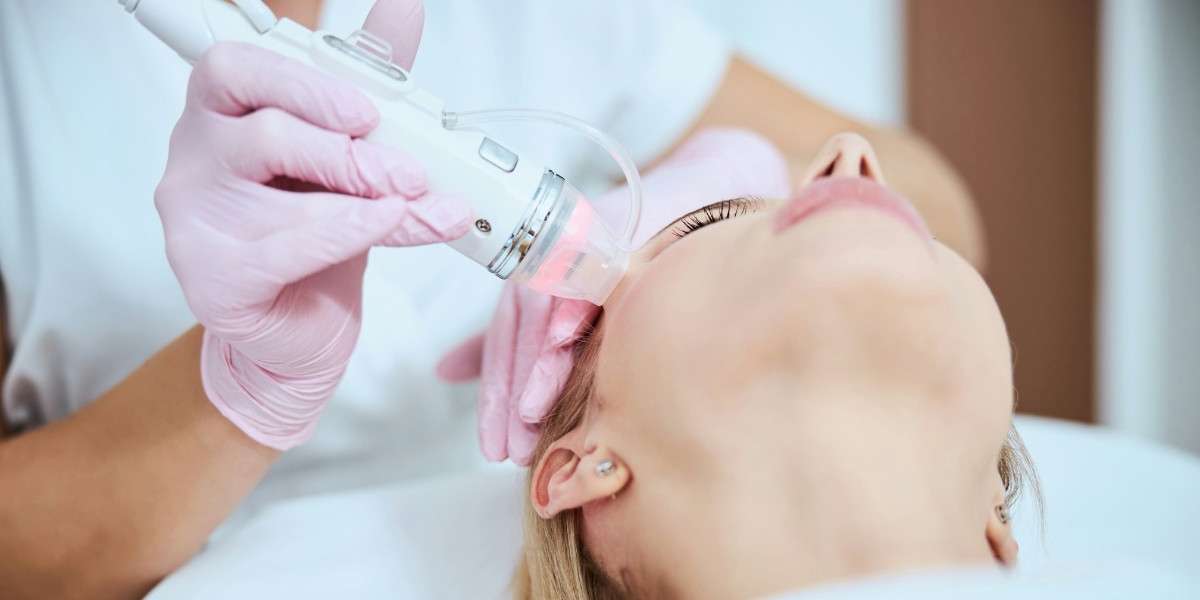
Laser skin resurfacing uses focused light to target specific layers of skin, stimulating collagen production and encouraging the growth of new skin cells. Chemical peels involve the application of a chemical solution to exfoliate the skin, while microdermabrasion uses a fine abrasive tool to gently remove the outermost layers. Each of these methods can help address skin imperfections such as acne scars, fine lines, sun damage, and uneven pigmentation.

The goal of skin resurfacing is not just cosmetic; it’s a way to enhance skin health by encouraging the natural regeneration process. With proper care and aftercare, the results of skin resurfacing can lead to smooth, glowing skin, offering a more youthful and radiant appearance.

How Does Skin Resurfacing Help Achieve Smooth, Porcelain-Like Skin?

One of the main reasons people turn to skin resurfacing is to achieve smoother, more even-toned skin. The process removes the outer layers of skin that are often affected by imperfections, such as wrinkles, scars, and sunspots, revealing fresher skin underneath. As the skin heals, it also becomes more supple and resilient, with a more refined texture.

The effectiveness of skin resurfacing largely depends on the method used. For example, fractional CO2 laser resurfacing is particularly effective for treating deep wrinkles and acne scars. It stimulates collagen production, which is key for improving skin elasticity and firmness. Over time, this collagen boost helps create smoother, more youthful-looking skin.

By improving skin texture and tone, skin resurfacing treatments can significantly reduce the appearance of imperfections like acne scars, enlarged pores, and rough patches. This leads to the sought-after porcelain-like smoothness, where the skin appears flawless and even in texture and pigmentation.

What Are the Benefits of Skin Resurfacing?

Skin resurfacing offers a variety of benefits for individuals looking to improve the overall appearance of their skin. One of the most notable benefits is its ability to treat multiple skin issues at once. Whether you’re dealing with age spots, sun damage, or acne scars, resurfacing procedures can target and improve these imperfections simultaneously.

In addition to improving skin appearance, skin resurfacing can also boost confidence. Many people find that after undergoing a resurfacing treatment, they feel more comfortable in their skin, leading to increased self-esteem. As the skin becomes clearer and smoother, individuals often feel more confident in their appearance, which can have a positive impact on their overall well-being.

Skin resurfacing also helps to slow the visible signs of aging by encouraging collagen production and improving skin elasticity. As collagen levels increase, the skin becomes more youthful and resilient, reducing the appearance of fine lines and wrinkles. This makes skin resurfacing a popular treatment for individuals looking to maintain or regain a youthful glow.

Is Skin Resurfacing Safe for All Skin Types?

While skin resurfacing is generally safe for most people, the specific method chosen should be tailored to individual skin types. Different skin tones and types may react differently to various resurfacing procedures, so it’s important to consult with a professional before proceeding. Certain methods, like chemical peels, may be more suitable for fair skin, while others, like fractional laser resurfacing, can be more effective for darker skin tones.

Individuals with sensitive skin or those prone to certain conditions like rosacea or eczema should be cautious when considering skin resurfacing. In these cases, a consultation with a dermatologist or skin specialist is essential to determine the most appropriate treatment. Professional guidance ensures that the procedure is customized to individual skin needs, minimizing potential risks and maximizing results.

When performed by trained professionals, skin resurfacing is a safe and effective way to improve the skin’s appearance. Aftercare is also an important part of the process, as proper skincare following treatment ensures the best results and minimizes the risk of complications, such as irritation or scarring.

How to Maintain the Results of Skin Resurfacing?

After undergoing a skin resurfacing treatment, it’s essential to follow a proper skincare routine to maintain the smooth, youthful results. For the first few days, patients should avoid direct sun exposure and use gentle, hydrating products to soothe the skin. Sunscreen is especially important, as the newly resurfaced skin is more sensitive to the sun.

Over time, the skin will continue to improve, and the results will become more apparent. To maintain the benefits of resurfacing, it’s important to use products that support skin health, such as moisturizers, serums with antioxidants, and treatments designed to boost collagen production. Regular use of sunscreen can help prevent future damage from UV rays, which can undo the effects of resurfacing.

Read Also: How Japanese Skincare Defines the Art of Ageless Beauty

Staying hydrated and avoiding excessive exposure to harsh environmental factors, like pollutants or extreme weather, can also help keep the skin looking its best. With proper care, the smooth, radiant results of skin resurfacing can last for months, giving individuals long-lasting improvements in their skin’s texture and appearance.

How to Keep Your Lips Healthy and Moisturized

The Essential Guide to Lip Health & Care

Maintaining lip health is crucial for overall well-being and comfort. Your lips, being one of the most sensitive parts of your body, are prone to dryness, chapping, and irritation, especially with environmental changes. Understanding how to properly care for your lips can not only help prevent discomfort but also enhance their appearance and longevity. In this guide, we’ll explore essential tips and tricks to keep your lips healthy and nourished.

Read Also: Beyond Just Color: The Alluring History and Power of a Red Lip

Why Is Lip Health Important?

Lip health is often overlooked, but it plays a key role in your overall skin health. Your lips are delicate and lack the protective oil glands that the rest of your skin has, which makes them more vulnerable to dehydration and environmental damage. Experts suggest that neglecting lip care can lead to painful conditions like cracked lips, inflammation, and increased sensitivity.

Environmental factors like extreme temperatures, wind, and sun exposure can worsen these issues. Dry indoor air, especially during winter months, can also lead to lips becoming cracked and dry. By incorporating simple lip care routines into your daily regimen, you can maintain smooth, healthy lips, free from common problems like chapping or irritation.

Healthy lips can boost your confidence and improve your overall appearance. Soft, nourished lips are not only more comfortable but also add to your natural beauty, enhancing facial expression and making you feel more at ease with your appearance.

Daily Lip Care Routine: Steps to Follow

A proper daily lip care routine is essential for keeping your lips healthy. Industry professionals recommend starting with hydration, as the first step in lip care. Drinking enough water throughout the day helps prevent dehydration, a common cause of dry, cracked lips. However, hydration doesn’t stop with just drinking water; using moisturizing products is equally important.

Start your routine by gently exfoliating your lips once or twice a week. This removes dead skin cells and promotes smoother lips. Use a lip scrub or natural alternatives like honey and sugar, which are gentle and effective. After exfoliating, always apply a nourishing lip balm to lock in moisture and protect the delicate skin on your lips.

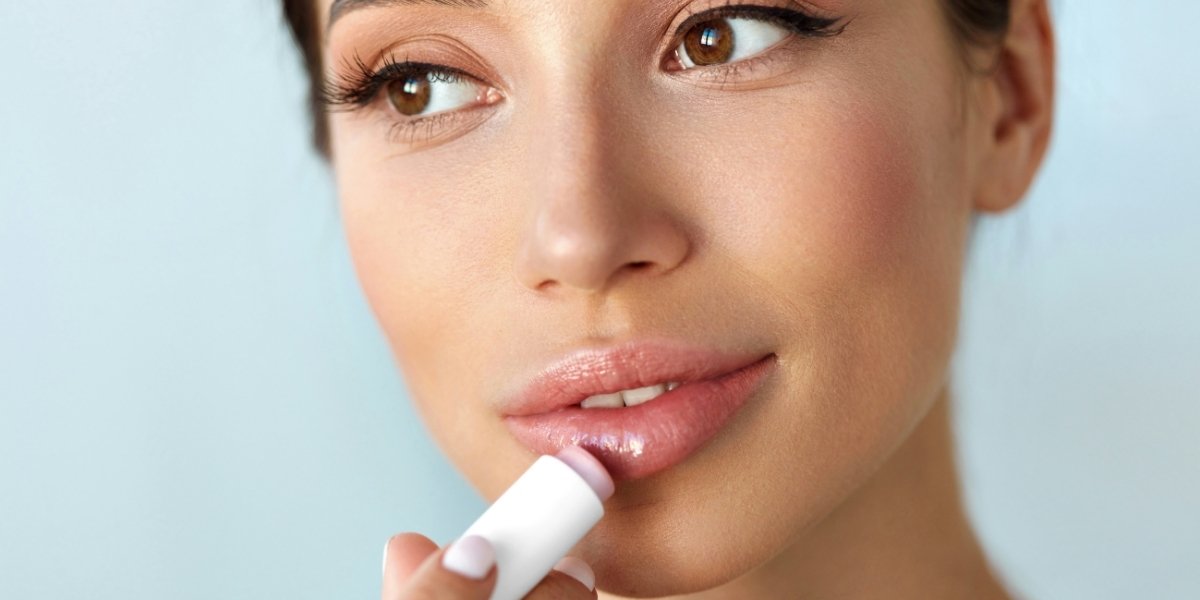
Throughout the day, apply a hydrating lip balm that contains ingredients like shea butter, vitamin E, or beeswax. These ingredients help to create a barrier that seals moisture into your lips. Experts recommend using lip balms with SPF protection, especially if you’re exposed to the sun, as UV rays can damage your lips just as they do your skin.

Common Lip Problems and How to Prevent Them

Lip problems, such as chapping, cracking, or irritation, are common but can be prevented with the right care. The first step to preventing these issues is avoiding the triggers that cause them. Cold weather, wind, and sun exposure are the primary culprits behind chapped lips. Research indicates that using a lip balm with SPF protection and avoiding licking your lips when they’re dry can significantly reduce the chances of developing dry or cracked lips.

Licking your lips might seem like a quick fix when they feel dry, but it can actually make the problem worse. Saliva evaporates quickly, leaving your lips drier than before. Professionals recommend keeping a lip balm within easy reach so that you can apply it whenever needed, helping to maintain moisture and prevent cracking.

If you experience persistent lip dryness despite regular care, it may be a sign of an underlying health condition like dehydration, allergies, or vitamin deficiencies. It’s important to stay hydrated, eat a balanced diet, and consult with a healthcare provider if you notice chronic issues that don’t improve with routine lip care.

Ingredients to Look for in Lip Care Products

Not all lip care products are created equal, and using the right ingredients can make a big difference. Experts suggest looking for lip balms and creams that contain natural and nourishing ingredients. Shea butter and coconut oil are great choices for deeply moisturizing your lips, while beeswax helps to form a protective barrier.

Vitamins A, C, and E are known for their ability to repair damaged skin and promote healing. These vitamins also have antioxidant properties that protect your lips from environmental damage. Some lip balms also contain peptides and collagen-boosting ingredients that can improve the overall appearance of your lips over time.

Avoid products with artificial fragrances, flavors, and alcohol, as these can irritate the sensitive skin on your lips. Look for lip balms that are free from parabens and phthalates to ensure you’re using products that are safe and beneficial for your skin.

Read Also: Lipstick: The Rich History and Impact Behind the Iconic Beauty Product

How to Protect Your Lips from Environmental Damage

Your lips are exposed to the same environmental factors as the rest of your skin, and protecting them is just as important. Industry experts recommend using lip products that offer sun protection (SPF 15 or higher) to shield your lips from UV damage. Just like your skin, your lips can suffer from sunburn and premature aging due to sun exposure.

In addition to sun protection, consider using a humidifier during the winter months to help maintain moisture in the air and prevent your lips from drying out. Dry indoor air, combined with the cold outdoor temperatures, can strip your lips of their natural moisture, leading to cracked and painful lips.

Make sure to stay hydrated, as dehydration is one of the leading causes of dry lips. Drinking water consistently throughout the day will help keep your lips, and the rest of your skin, hydrated and healthy.

How Japanese Skincare Defines the Art of Ageless Beauty

What Defines the Art of Ageless Beauty in Japanese Skincare?

The art of ageless beauty in Japanese skincare is renowned worldwide for its elegant simplicity and profound effectiveness. Rooted in centuries of tradition and refined by modern science, this approach emphasizes a natural, holistic path to maintaining youthful, radiant skin. The philosophy behind Japanese skincare is not just about cosmetics but reflects a lifestyle choice deeply connected to nature, mindfulness, and respect for the skin’s balance.

Japanese skincare routines often focus on prevention and maintenance rather than quick fixes. The use of gentle cleansing, hydration, and protection from environmental factors plays a central role. This enduring wisdom promotes skin that ages gracefully, reflecting overall health and inner harmony.

Unlike many Western trends that prioritize rapid, dramatic results, Japanese skincare encourages consistency and patience. It embraces the skin’s natural cycles and prioritizes nourishment and repair over harsh interventions. This timeless perspective has made it a beacon for those seeking sustainable beauty.

Read Also: Enzyme Baths: The Holistic Japanese Practice for Mind and Body

How Does Japanese Skincare Promote Timeless Beauty?

Japanese skincare cultivates timeless beauty through several key principles. First, it respects the skin’s barrier, which protects against moisture loss and external irritants. Maintaining this barrier with mild cleansers and hydrating ingredients is essential. Traditional ingredients such as green tea, rice bran, and camellia oil are staples in Japanese formulations. These natural components offer antioxidants, vitamins, and moisturizing properties that support skin health at a cellular level.

Another hallmark is the ritualistic layering of products. This process begins with cleansing, often using an oil-based cleanser to dissolve impurities gently. This is followed by water-based lotions known as “toners” that hydrate and prepare the skin for subsequent steps. Moisturizers and serums deliver targeted nutrients, while sun protection shields the skin from UV damage, a major cause of premature aging.

Japanese skincare emphasizes hydration as a cornerstone of youthful skin. Unlike heavy creams, the products often have lightweight textures that absorb quickly, maintaining moisture without clogging pores. Experts in dermatology highlight that this approach enhances skin elasticity and firmness over time, contributing to a radiant complexion free from dryness or irritation.

What Lifestyle Factors Support the Japanese Approach to Ageless Beauty?

The art of ageless beauty extends beyond topical products to encompass lifestyle habits deeply embedded in Japanese culture. Diet, stress management, and environmental awareness all influence skin health. A diet rich in fresh fish, seaweed, soy products, and green tea provides essential nutrients and antioxidants that protect skin from oxidative stress. These foods contribute to collagen production and reduce inflammation, key factors in maintaining skin’s youthful appearance.

Stress reduction techniques such as meditation, tea ceremonies, and mindful breathing are integral. Chronic stress can accelerate skin aging by increasing inflammation and disrupting hormonal balance. The Japanese emphasis on calmness and balance supports both mental well-being and skin vitality.

Environmental factors are also considered carefully. Japanese skincare routines often include protective measures against pollution and sun exposure, which are known to cause premature aging. Wearing hats, using umbrellas, and applying high-SPF sunscreens are common practices. This holistic lifestyle underscores the idea that beauty is a reflection of overall health and mindful living.

How Does the Art of Ageless Beauty Influence Modern Skincare Worldwide?

The global skincare industry has increasingly embraced Japanese beauty principles for their effective yet gentle approach. Many Western brands now incorporate traditional Japanese ingredients and rituals into their products.

The concept of “skinimalism,” which favors fewer but high-quality products, aligns closely with Japanese philosophy. Consumers worldwide appreciate the emphasis on nurturing the skin barrier and maintaining hydration without overwhelming it with too many chemicals. Japanese skincare’s influence also extends to packaging and presentation. Minimalist design, recyclable materials, and user-friendly formats reflect a respect for nature and the user’s experience.

Research institutions and dermatologists have studied the benefits of Japanese ingredients, confirming their antioxidant and anti-inflammatory effects. This scientific validation enhances trust and encourages integration into diverse skincare regimens. Overall, the art of ageless beauty inspires a shift toward mindful, sustainable skincare practices globally.

What Are the Key Skincare Rituals in Japanese Ageless Beauty?

The typical Japanese skincare routine involves a series of thoughtful steps designed to cleanse, hydrate, nourish, and protect. This ritual is performed daily with patience and respect for the skin.

The process often starts with double cleansing, where an oil-based cleanser removes makeup and sebum, followed by a gentle foaming cleanser that cleans pores without stripping moisture. This careful cleansing ensures a fresh canvas for the next steps. Applying a hydrating lotion or toner follows, which replenishes moisture and prepares the skin for absorption of serums or essences. These lightweight treatments often contain ingredients like hyaluronic acid, fermented rice extract, or botanical extracts that boost skin vitality.

Moisturizing is tailored to skin type but usually involves light, non-greasy creams that lock in hydration. Finally, sunscreen application is crucial to shield the skin from UV rays, which accelerate aging. These rituals encourage consistency and mindfulness, helping maintain skin health in the long term.

Read Also: Maximizing Fitness Through Rest and Recovery Strategies

How Can Individuals Integrate Japanese Skincare Wisdom into Their Routine?

Incorporating the art of ageless beauty into a daily routine involves adopting both product choices and mindset shifts. Start with gentle cleansing to protect the skin barrier, avoiding harsh scrubs or over-washing.

Choose products rich in natural ingredients known for their antioxidant and moisturizing effects. Simplify routines to focus on hydration and protection rather than excessive exfoliation or aggressive treatments. Adopting sun protection habits is essential. Applying broad-spectrum sunscreen daily prevents damage from ultraviolet radiation, a leading cause of premature aging.

Beyond products, cultivating a balanced lifestyle with nutritious food, stress management, and environmental mindfulness complements skincare efforts. Consulting with skincare professionals knowledgeable about Japanese techniques can help tailor practices to individual needs, maximizing benefits.

Enzyme Baths: The Holistic Japanese Practice for Mind and Body

What Is the Science Behind Enzyme Baths and Their Wellness Benefits?

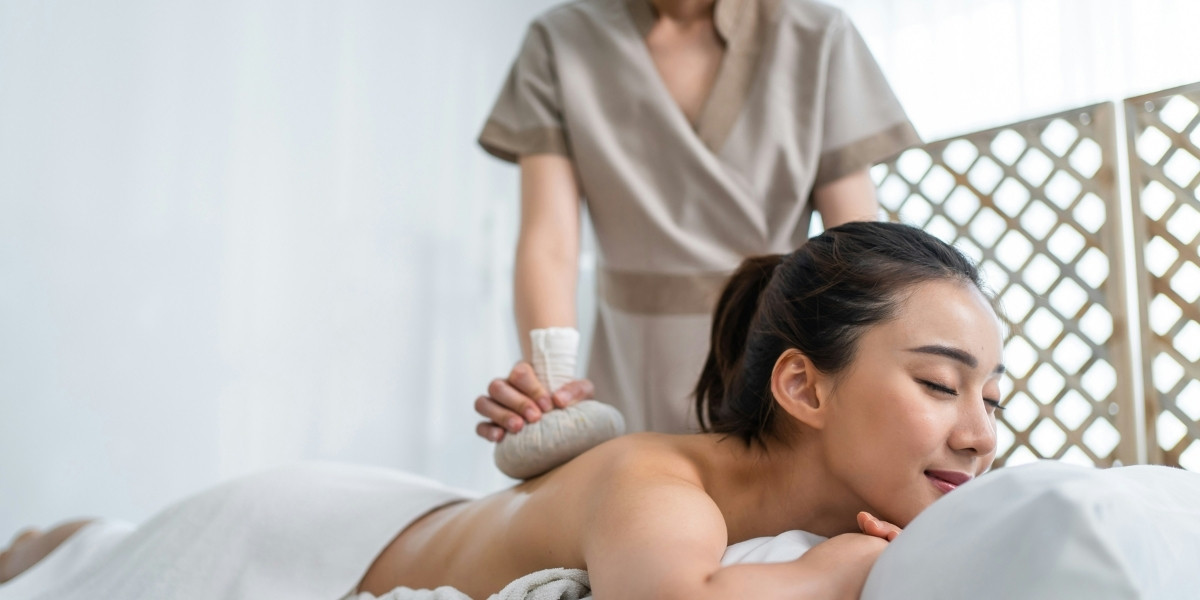
Enzyme baths, a traditional Japanese wellness practice, have gained increasing attention for their holistic health benefits. Rooted in centuries-old customs, these baths involve immersing the body in composting materials rich in natural enzymes, heat, and microorganisms. The science behind enzyme baths reveals a fascinating interplay of biology, chemistry, and thermodynamics.

The primary mechanism involves the body being surrounded by fermenting plant matter—often rice bran, sawdust, or herbal additives—that generates warmth through microbial activity. This natural heat, typically between 50 and 60 degrees Celsius (122 to 140 degrees Fahrenheit), promotes deep sweating and improved circulation. Research shows that sweating aids in detoxification, supporting the body’s elimination of heavy metals and toxins.

Enzymes present in the composting material are believed to penetrate the skin, contributing to skin rejuvenation and enhanced metabolism. These enzymes break down proteins and fats, which may help reduce inflammation and promote tissue repair. Some studies suggest that the heat and enzymatic action can alleviate muscle stiffness and joint pain, offering relief to individuals with arthritis or chronic fatigue.

While modern scientific inquiry into enzyme baths is still emerging, preliminary findings support their role in boosting immune function, improving skin health, and increasing energy levels. This growing body of evidence positions enzyme baths as a natural complement to conventional wellness practices.

How Does Spirituality Enhance the Experience of Enzyme Baths in Japanese Culture?

Beyond the physical benefits, enzyme baths are deeply intertwined with spirituality and mindfulness in Japanese culture. The practice is often seen as a ritualistic cleansing—a way to harmonize the body, mind, and spirit. In this context, the enzyme bath is not just a health treatment but a spiritual journey toward renewal and balance.

Participants enter a quiet, meditative state as they are enveloped by the warm, earthy environment of the bath. The sensory experience—the gentle warmth, natural scents, and tactile contact with organic materials—encourages introspection and a deeper connection to nature. This immersion supports mental relaxation, reduces stress, and fosters emotional healing.

Traditional Japanese wellness philosophies emphasize the concept of ki (or chi), an energy flow within the body. Enzyme baths are believed to stimulate this vital energy, clearing blockages and promoting vitality. This spiritual dimension often includes practices like silent contemplation or chanting before and after the bath, enhancing the holistic effect.

Cultural narratives also frame enzyme baths as a bridge between humans and the natural world, honoring the cycles of fermentation and transformation. This reverence for nature’s processes enriches the spiritual significance, making enzyme baths a holistic wellness experience.

What Cultural Significance Do Enzyme Baths Hold in Japan?

Enzyme baths have long been a part of Japanese health traditions, especially in rural communities where natural healing practices are preserved. Historically, these baths were used as seasonal therapies to rejuvenate the body after harsh winters or to recover from fatigue after intense labor.

Their cultural significance lies in the way they embody the Japanese principles of wabi-sabi—finding beauty in imperfection and impermanence—and shizen—living in harmony with nature. Enzyme baths celebrate the natural fermentation process, transforming organic waste into healing warmth, symbolizing renewal and resilience.

Communal enzyme bath facilities often serve as social hubs where people of different generations gather to share wellness, stories, and support. This communal aspect reinforces social bonds and cultural continuity.

In contemporary Japan, enzyme baths have gained popularity beyond traditional settings, featured in wellness resorts and spas that promote holistic health tourism. This resurgence reflects a broader cultural trend valuing balance between modern life pressures and ancestral wisdom.

How Are Enzyme Baths Being Integrated into Modern Wellness Practices Globally?

The appeal of enzyme baths is crossing borders as interest in natural and holistic therapies grows worldwide. Wellness centers outside Japan are beginning to incorporate enzyme bath-inspired treatments, adapting the practice to local contexts and preferences.

Modern adaptations often use carefully prepared mixtures of organic materials to ensure hygiene and consistency. Facilities emphasize the scientific underpinnings while preserving the ritualistic and spiritual elements. This fusion attracts clients seeking both evidence-based benefits and transformative experiences.

Research collaborations between traditional practitioners and scientists aim to deepen understanding of enzyme baths’ effects, exploring applications in pain management, dermatology, and stress reduction. These efforts help validate enzyme baths within integrative medicine frameworks.

The cultural exchange enriches both Japanese traditions and global wellness practices, highlighting shared values of nature-based healing and holistic care. As enzyme baths gain recognition, they contribute to a broader movement embracing ancient wisdom alongside contemporary science.

What Is the Future of Enzyme Baths in Holistic Wellness?

Looking ahead, enzyme baths are poised to play a growing role in holistic wellness worldwide. Their unique combination of physical detoxification, spiritual enrichment, and cultural heritage resonates with modern desires for meaningful self-care.

Technological advances may enhance safety and accessibility, such as improved composting control and sanitation protocols, allowing more people to experience enzyme baths confidently. Digital platforms may also support virtual education and community building around the practice.

Moreover, enzyme baths offer a template for integrating environmental sustainability into wellness. By using natural fermentation processes and organic materials, they exemplify low-impact health care that honors the planet.

As scientific research expands and cultural appreciation deepens, enzyme baths could become a standard offering in spas, rehabilitation centers, and wellness retreats globally. This evolution reflects a broader trend toward holistic, personalized health approaches that embrace mind, body, and spirit.

Enzyme baths represent a powerful synthesis of science, spirituality, and culture—a traditional Japanese practice whose holistic wellness benefits continue to inspire and transform lives worldwide.

Benefits of Antioxidants for Skin Health: What You Should Know

Antioxidants have gained widespread attention for their role in protecting the body from damage caused by harmful molecules. When it comes to skin health, antioxidants offer unique benefits that go beyond basic skincare. They work quietly yet powerfully to maintain skin’s vitality, delay signs of aging, and defend against environmental stressors.

Understanding how antioxidants support the skin requires knowing what challenges the skin faces daily. Exposure to ultraviolet rays, pollution, and other toxins generates free radicals — unstable molecules that can damage cells. This damage contributes to premature aging, dullness, and even skin diseases. Antioxidants neutralize free radicals, preventing them from causing harm.

Read Also: Exploring the Evolution of Gourmand Perfumes

How Do Antioxidants Protect the Skin?

At a cellular level, antioxidants donate electrons to free radicals, stabilizing them before they can attack healthy skin cells. This process reduces oxidative stress, a key factor in skin aging and inflammation.

Skin exposed to oxidative stress may show fine lines, wrinkles, and uneven texture. Antioxidants help maintain collagen and elastin — proteins that keep skin firm and elastic. By preserving these proteins, antioxidants support a smoother, more youthful complexion.

Antioxidants also calm inflammation. Skin conditions like redness, sensitivity, and irritation can stem from oxidative damage. Ingredients rich in antioxidants soothe the skin, helping it recover faster from daily stresses.

Which Antioxidants Are Most Effective for Skin?

Several antioxidants stand out for their skin benefits. Vitamin C is widely celebrated for brightening the complexion and promoting collagen production. It also enhances skin’s defense against sun damage.

Vitamin E works synergistically with Vitamin C, providing deep moisture and protecting against UV-induced damage. Together, they create a powerful defense system.

Green tea extract contains polyphenols, which reduce inflammation and shield the skin from pollutants. These compounds help maintain skin clarity and reduce signs of aging.

Coenzyme Q10 (CoQ10) supports cellular energy production and has been shown to reduce wrinkle depth by supporting skin regeneration.

Resveratrol, found in grapes and berries, offers strong anti-inflammatory and anti-aging properties, making it a valuable addition to skin care formulations.

How to Incorporate Antioxidants Into Your Skin Care Routine

Using antioxidant-rich products can enhance skin’s resilience. Serums and creams containing Vitamin C, Vitamin E, or green tea extract are popular choices. Applying antioxidants in the morning can help protect skin throughout the day.

Antioxidants are also found in foods like berries, nuts, and leafy greens. A diet rich in these foods complements topical treatments by nourishing the skin from within.

Consistency is key. Regular use of antioxidant products can improve skin texture and tone over time. However, it’s important to choose formulations with stable, well-absorbed ingredients to maximize benefits.

Can Antioxidants Reverse Skin Damage?

While antioxidants cannot completely reverse all signs of skin aging, they play a critical role in slowing the process. By reducing oxidative damage, antioxidants prevent new wrinkles and age spots from forming.

They also support the skin’s natural repair mechanisms, enhancing healing after sun exposure or minor injuries. For individuals with sensitive or inflamed skin, antioxidants can reduce redness and discomfort, promoting a healthier appearance.

What Are the Latest Advances in Antioxidant Skin Care?

Scientific research continues to identify new antioxidant compounds with promising skin benefits. For example, astaxanthin, a carotenoid derived from algae, shows strong protective effects against UV damage and skin dehydration.

Nanotechnology is improving delivery methods, allowing antioxidants to penetrate deeper layers of skin for enhanced effects.

Furthermore, combining antioxidants with other active ingredients like peptides and hyaluronic acid creates multi-functional products that support overall skin health.

Precautions When Using Antioxidant Products

Though generally safe, antioxidant skincare products can cause irritation in sensitive individuals, especially if used in high concentrations. It’s advisable to patch-test new products and introduce them gradually.

Some antioxidants, like Vitamin C, can degrade with exposure to light and air, reducing their effectiveness. Packaging that protects against these factors ensures product potency.

Consulting with a dermatologist can help tailor antioxidant use based on skin type and specific concerns.

Read Also: A Comprehensive Guide to Eyebrow Tattooing and Microblading

Antioxidants offer a natural and effective way to protect and improve skin health. By neutralizing free radicals and supporting skin’s structural proteins, they help maintain a radiant and youthful appearance.

Incorporating antioxidants through both skincare products and diet fosters comprehensive skin defense. While they do not provide instant cures, their consistent use contributes significantly to long-term skin wellness.

As science advances, new antioxidant formulations promise even greater benefits, making them a cornerstone of modern skincare strategies.

Inside the New Miss Universe Headquarters in New York City

Where Is the Miss Universe Headquarters Located in New York?

The Miss Universe Organization, a renowned global entity, calls New York City home, with its headquarters located at 1370 Avenue of the Americas, 16th Floor, New York, NY 10019. This prestigious location positions the organization at the heart of one of the world’s most influential cities for fashion, media, and entertainment. In 2025, the organization unveiled a new headquarters at the WSA (Water Street Associates) Building, marking an exciting new chapter in its history.

New York has long been a hub of creativity and innovation, and by establishing its headquarters in this prime location, Miss Universe aims to solidify its global influence and stay at the forefront of talent, fashion, and entertainment. The move to this state-of-the-art facility during the famed New York Fashion Week underscores the organization’s commitment to shaping the future of the beauty industry on a global scale. The new headquarters will serve as a dynamic space for collaboration, creativity, and empowerment for the next generation of leaders in the world of beauty and talent.

Read Also: How Beauty Pageants Reflect Society’s Evolving Ideals

What Is the Significance of the WSA Building Headquarters?

The decision to relocate to the WSA Building in New York City is a significant milestone for the Miss Universe Organization. The new headquarters are more than just an office space; they represent the organization’s forward-thinking approach to the future of beauty, entertainment, and global talent management.

The WSA Building features cutting-edge facilities, including top-tier recording studios, photography and video production spaces, and extensive creative workspaces that will support the organization’s talent development efforts. These enhancements are designed to foster the creation of high-quality media content, enable more effective talent management, and accelerate the global outreach efforts of the Miss Universe Organization.

At the heart of the new headquarters is MU Talent NYC, a specialized talent and influencer management hub. This innovative space will offer emerging talent access to the resources, industry connections, and expertise needed to navigate the entertainment world. As the organization continues to shape global beauty standards, the WSA headquarters will serve as the perfect launchpad for new initiatives and global talent collaborations, further cementing Miss Universe’s role as an industry leader.

How Does the New Headquarters Reflect Miss Universe’s Vision?

The move to the WSA Building in New York is not only about physical space; it embodies the Miss Universe Organization’s broader vision of empowerment, inclusion, and innovation. The new headquarters are a reflection of the organization’s commitment to being a platform for women from all walks of life.

Beyond its iconic beauty pageants, Miss Universe seeks to elevate women globally by offering them opportunities for growth, leadership, and global recognition. Through programs and initiatives that champion women’s rights, education, and global connectivity, Miss Universe has become a powerful force for social change. The organization’s new headquarters will enable it to further these efforts, providing a hub for global collaboration and innovation, fostering leadership development for women across the world.

In the WSA Building, Miss Universe has partnered with wellness and beauty experts such as YOUniverse Acupuncture, Cynthia Rivas Skin Care, Studio Naomi, and MND BOD Pilates, further solidifying its commitment to high-performance, cruelty-free beauty standards. This integration of beauty and wellness represents the organization’s focus on not just external appearance, but holistic well-being for women worldwide. Miss Universe continues to prioritize the intersection of personal and professional growth for women, with this new headquarters serving as a symbol of those values.

What Are the Future Plans for Miss Universe’s Presence in New York?

The establishment of the new headquarters in New York City is a strategic move to position the Miss Universe Organization as a leader in talent, beauty, and empowerment for years to come. The headquarters is designed to be a launchpad for future endeavors, with an emphasis on global talent development, media innovation, and community engagement.

The leadership of the organization, including CEO Anne Jakapong Jakrajutatip and President Raúl Rocha Cantú, has emphasized New York’s significance as a global hub for innovation and talent. The new headquarters in the city will allow the organization to tap into an endless pool of creative, entrepreneurial, and business expertise. With the headquarters now in place, Miss Universe can more effectively connect with partners in various industries, including fashion, entertainment, technology, and wellness.

One of the major upcoming events for the organization is the 74th Miss Universe competition, set to take place in Thailand in November 2025. Leading up to this event, the New York headquarters will play a pivotal role in supporting the competition through talent scouting, media partnerships, and global outreach initiatives. Additionally, the headquarters will foster new business relationships, expand Miss Universe’s philanthropic efforts, and continue to inspire women worldwide.

How Will Miss Universe’s New Headquarters Drive Innovation and Diversity?

The Miss Universe Organization is constantly striving to be at the forefront of innovation, and its new headquarters is a testament to that ambition. The building is designed with cutting-edge technology, allowing for seamless collaboration among international teams, partners, and stakeholders. It serves as a place where creative minds can come together to create impactful content, share ideas, and push boundaries in the realms of beauty, entertainment, and empowerment.

The new headquarters also prioritizes diversity, inclusivity, and social responsibility. With its roots in showcasing global talent and diverse cultures, Miss Universe continues to challenge traditional beauty standards, celebrating individuals of all races, body types, and backgrounds. The organization’s headquarters will serve as an incubator for new projects and collaborations that reflect these values and provide a platform for women to express themselves authentically.

Read Also: Natural Makeup Looks for Warmer Weather

How Will Miss Universe’s New Headquarters Impact the Global Community?

Miss Universe’s expansion to a larger, more advanced headquarters in New York is set to have a far-reaching impact on the global community. By housing a dedicated talent and influencer management hub and expanding its creative and media resources, the organization is creating a space for global collaboration. This will have a profound effect on the international beauty industry, especially as the organization continues to reach new audiences and connect with emerging markets.

Through its commitment to empowerment, education, and wellness, Miss Universe’s new headquarters will help foster a global community where women have access to resources, networks, and opportunities to grow and lead. This, in turn, will contribute to a future where inclusivity, equality, and innovation are at the forefront of cultural and societal change.

Natural Makeup Looks for Warmer Weather

As the temperatures rise and the days get longer, many people look to adjust their makeup routines for warmer weather. With the change in season, lighter and more breathable makeup looks are becoming increasingly popular. Whether you’re headed to the beach, a picnic, or a night out, achieving a fresh, natural makeup look is the perfect way to complement the warmth of the season. In this article, we’ll explore some expert-approved natural makeup looks for warmer weather in 2025.

Read Also: Surging Demand for Men’s Beauty Products

What Should You Consider for Natural Makeup in Warmer Weather?

When it comes to natural makeup, the goal is to enhance your features while still keeping things light and breathable. Here are a few key considerations for makeup during warmer weather:

1. Use Lightweight Formulas

In hot weather, heavy foundations and thick layers of makeup can feel uncomfortable and may even melt off. Instead, opt for lightweight formulas that allow your skin to breathe. Tinted moisturizers, lightweight foundations, or BB creams are perfect for warmer weather. These products provide coverage without feeling heavy on the skin.

2. Prioritize Hydration

Hydration is key when it comes to achieving a glowing, natural look. Look for makeup products that hydrate the skin while providing coverage. Hydrating primers, setting sprays, and moisturizers are essential to keep your skin looking fresh all day long. Ingredients like hyaluronic acid, aloe vera, and glycerin are great for locking in moisture and maintaining a healthy, dewy finish.

3. Focus on SPF Protection

When you’re outdoors, SPF is crucial to protect your skin from harmful UV rays. Many makeup products now come with built-in SPF, making it easier to shield your skin while still achieving your desired look. Be sure to choose foundations or tinted moisturizers with SPF 30 or higher, and consider applying a separate layer of sunscreen if you plan to be outdoors for extended periods.

Best Natural Makeup Looks for Warmer Weather

Here are some of the most popular and easy-to-achieve natural makeup looks for warmer weather in 2025:

1. The “No Makeup” Makeup Look

One of the most sought-after looks for summer is the “no makeup” makeup look. This style embraces the natural beauty of your skin while providing just enough coverage to even out your complexion. Start with a lightweight tinted moisturizer or BB cream that hydrates and provides a sheer finish. Use a lightweight concealer to cover any blemishes or dark circles, and apply a thin layer of translucent powder to set everything in place.

For the eyes, a soft coat of brown mascara can enhance your lashes without looking too dramatic. A hint of peachy blush and lip balm with a slight tint will complete the look, giving you a fresh, natural glow that’s perfect for any daytime occasion.

2. Glowy Summer Skin

In warmer weather, you’ll want to embrace a glowy summer skin look. This makeup look is all about creating a dewy, fresh complexion that mimics the natural glow of the sun. Start with a lightweight foundation or tinted moisturizer, then apply a liquid highlighter or cream blush to the high points of your face, such as the cheekbones, bridge of the nose, and cupid’s bow. For a natural finish, choose products with a dewy or satin finish instead of matte formulas.

For the eyes, opt for a soft, neutral eyeshadow palette with shades of gold, bronze, or peach. A subtle swipe of brown eyeliner along the upper lash line will define the eyes without being too harsh. Finish the look with a hydrating lip gloss or tinted lip balm to keep your lips soft and nourished.

3. Sun-Kissed Glow

A sun-kissed makeup look is perfect for those who want to embrace the warm, radiant feel of summer. To achieve this look, start by applying a lightweight foundation or BB cream with SPF. Use a bronzer to add warmth to your face and create a natural, sun-kissed effect. Apply bronzer to the temples, cheekbones, and jawline to mimic the areas where the sun would naturally hit.

For the eyes, use a neutral eyeshadow with a hint of shimmer to reflect the sunlight. A pop of peachy blush will add a healthy flush to your cheeks, and a tinted lip balm or lip gloss will finish the look, keeping everything soft and natural.

4. Soft & Bright Eyes

In warmer weather, eyeshadow looks that are too heavy can feel uncomfortable. Instead, go for a soft, bright eye look that makes your eyes appear fresh and awake. Use a light, neutral base shadow, and apply a soft shimmer to the inner corners of your eyes to brighten them up. For a more defined look, apply a thin line of brown or taupe eyeliner along the top lash line.

Don’t forget the mascara—waterproof formulas are perfect for the summer heat, ensuring your lashes stay defined without smudging. For the lips, go for a natural nude or rosy pink lip gloss that keeps your look soft and fresh.

Tips for Long-Lasting Natural Makeup in Warm Weather

To ensure your natural makeup lasts all day in warm weather, follow these expert tips:

1. Use a Mattifying Primer

If you have oily skin, a mattifying primer can help keep shine at bay while still allowing your skin to breathe. Apply it to your T-zone to keep your makeup intact throughout the day.

2. Set with a Fine Mist Setting Spray

To lock in your makeup and ensure it lasts through the heat, finish your look with a light spritz of setting spray. Opt for a hydrating formula that will not only set your makeup but also refresh and hydrate your skin.

3. Reapply SPF Throughout the Day

Even if your makeup has SPF, it’s important to reapply sunscreen during the day. Consider carrying a sunscreen powder or setting spray with SPF in your bag for quick and easy reapplication without disturbing your makeup.

Read Also: Lipstick: The Rich History and Impact Behind the Iconic Beauty Product

Embrace Natural Makeup for Warmer Weather

Natural makeup looks are perfect for warmer weather in 2025, allowing you to feel fresh, breathable, and comfortable while still enhancing your features. Whether you’re aiming for the “no makeup” makeup look or a sun-kissed glow, there’s a natural look for everyone this summer. Choose lightweight products, prioritize hydration, and don’t forget your SPF to keep your skin safe and glowing all season long.