Thrive Monthly

Sustainable Fashion: Women Leading the Change

Who Are the Women Leading the Sustainable Fashion Movement?

Women are at the forefront of the sustainable fashion movement, driving significant changes within the industry. Female designers, entrepreneurs, and activists are promoting eco-friendly practices and raising awareness about the environmental impact of fashion. These trailblazing women are not only transforming how fashion is produced and consumed but are also inspiring a broader shift toward sustainability across various sectors.

Many female designers are creating innovative fashion lines that prioritize sustainability. They use eco-friendly materials, such as organic cotton, recycled fabrics, and plant-based dyes, to reduce the environmental footprint of their products. These designers are also focusing on ethical production practices, ensuring fair wages and safe working conditions for garment workers. By integrating sustainability into their core business models, they are setting new standards for the fashion industry.

Entrepreneurial women are launching sustainable fashion brands that challenge the traditional fast fashion model. These brands emphasize quality over quantity, offering timeless pieces designed to last. By promoting the concept of “buy less, choose well,” these entrepreneurs encourage consumers to make more thoughtful and sustainable fashion choices. Their efforts are reshaping consumer behavior and driving demand for more responsible fashion options.

Activists and influencers are also playing a crucial role in the sustainable fashion movement. They use their platforms to educate the public about the environmental and social issues associated with conventional fashion. Through social media campaigns, public speaking, and collaboration with sustainable brands, these women are amplifying the message of sustainability and motivating others to join the cause.

How Are Female Designers Promoting Eco-Friendly Practices?Female designers are pioneering innovative approaches to eco-friendly fashion. They are experimenting with sustainable materials and production techniques that minimize environmental impact. For example, some designers are using upcycled materials, transforming textile waste into beautiful, new garments. Others are incorporating biodegradable fabrics, which break down naturally and reduce landfill waste.

Designers are also focusing on creating versatile and durable clothing. By designing pieces that can be worn in multiple ways and for various occasions, they extend the lifecycle of their garments. This approach not only promotes sustainability but also offers consumers more value for their money. Additionally, many designers are adopting made-to-order and small-batch production methods, which help reduce overproduction and waste.

Transparency is another key aspect of sustainable fashion promoted by female designers. They are committed to providing consumers with information about the origins of their materials and the production processes used. This transparency builds trust and allows consumers to make informed decisions about their purchases. By prioritizing ethical sourcing and production, these designers are leading the way in creating a more sustainable fashion industry.

What Impact Do Female Entrepreneurs Have on Sustainable Fashion?

Female entrepreneurs are revolutionizing the fashion industry with their sustainable business models. They are challenging the status quo and demonstrating that it is possible to run successful fashion businesses while prioritizing environmental and social responsibility. These entrepreneurs are not only creating eco-friendly products but are also fostering a culture of sustainability within their companies and the wider industry.

Many sustainable fashion brands founded by women focus on circular fashion principles. They design products with the end of their lifecycle in mind, promoting recycling and reuse. Some brands offer take-back programs, where customers can return worn items to be repaired, recycled, or upcycled into new products. This circular approach helps reduce waste and promotes a more sustainable consumption cycle.

Female entrepreneurs are also leveraging technology to drive sustainability in fashion. They are using digital platforms to streamline production, reduce waste, and improve supply chain transparency. By incorporating data analytics and blockchain technology, these entrepreneurs can track the environmental impact of their products and provide consumers with detailed information about their sustainability efforts.

Community engagement is another significant impact area for female entrepreneurs in sustainable fashion. Many of these business leaders are involved in advocacy and education, working to raise awareness about sustainable practices and inspire others to adopt them. They collaborate with environmental organizations, participate in industry panels, and use their brands as platforms for promoting sustainability.

How Are Influencers Shaping the Sustainable Fashion Narrative?

Female influencers are crucial in shaping the narrative around sustainable fashion. They use their voices and platforms to highlight the urgent need for change in the fashion industry. Through blogs, social media, and public speaking, they educate their audiences about the environmental and social impacts of fashion and advocate for more sustainable practices.

These women are often involved in campaigns and initiatives that promote sustainable fashion. They collaborate with brands to create eco-friendly collections, participate in awareness-raising events, and support legislative efforts to improve industry standards. Their influence extends beyond fashion, as they often address broader issues of sustainability and social justice.

By sharing their sustainable fashion journeys, influencers inspire others to make more conscious choices. They provide practical tips on how to build a sustainable wardrobe, from choosing eco-friendly brands to adopting minimalism and second-hand shopping. Their authenticity and passion resonate with their audiences, making the message of sustainability more relatable and actionable.

Women are leading the charge in the sustainable fashion movement, driving significant changes in how fashion is produced, consumed, and perceived. Female designers, entrepreneurs, and activists are promoting eco-friendly practices and inspiring a shift toward sustainability in the fashion industry. Their efforts are creating a more ethical and environmentally responsible fashion landscape, proving that style and sustainability can go hand in hand.

Mastering Hair Care Tips and Trends for Healthy Locks, Stylish Hairstyles, and Common Hair Woes

Understanding Your Hair: The Basics

Your hair is your crowning glory, and taking care of it can be a delightful journey of self-care and style. Let’s dive into the world of hair care, exploring the best practices to keep your mane healthy, trendy hairstyles that turn heads, and simple tips to tackle everyday hair issues.

Before we embark on this hair care adventure, it’s crucial to understand your hair type. Is it straight, wavy, curly, or somewhere in between? Knowing your hair type helps you choose the right products and treatments that cater to its specific needs.

Healthy Habits for Happy Hair

Just like your body, your hair loves some TLC. Regular washing, conditioning, and gentle drying are fundamental steps in any hair care routine. Use a shampoo and conditioner that suit your hair type, and don’t forget to indulge in a deep conditioning treatment occasionally to keep your locks hydrated and shiny.

Hairstyles are a fantastic way to express your personality and stay on trend. From sleek bobs to beachy waves, the options are endless. Consider your face shape and lifestyle when choosing a style that suits you. And don’t be afraid to experiment – hair grows back, after all!

The Battle Against Common Hair Woes

We’ve all been there – frizz, split ends, and the dreaded bad hair day. Fear not! There are simple tricks to combat these common hair woes. A silk pillowcase can reduce frizz, regular trims prevent split ends, and a trusty hat or scarf can be a stylish solution for a bad hair day.

Give your hair a spa day with DIY masks and treatments. Ingredients from your kitchen, like coconut oil, honey, and avocado, can work wonders. These natural treatments nourish your hair, leaving it soft, shiny, and thanking you for the pampering session.

The Lowdown on Hair Coloring

Considering a new hue for your hair? Whether it’s a bold change or just covering some grays, understanding the basics of hair coloring is essential. Choose a shade close to your natural color for a subtle change or go bold with vibrant tones. Remember to use color-protecting products to maintain that fresh-from-the-salon look.

Elevate your hairstyle with accessories! From headbands to hair clips and scarves, the options are limitless. Not only do they add a touch of glamour, but they’re also practical solutions for keeping your hair in place on windy days or during workouts.

Heat Styling Safely

Curling irons, straighteners, and blow dryers – heat styling tools can be your hair’s best friend or worst enemy. Use them wisely by applying a heat protectant before styling, and opt for lower heat settings when possible. Let your hair air-dry occasionally to give it a break from the heat.

Your hair is a canvas for self-expression and care. With the right habits, trendy styles, and a bit of experimentation, you can achieve healthy, gorgeous locks that make you feel confident and fabulous every day. Embrace your hair journey, enjoy the process, and remember that each strand tells a unique story of beauty and individuality.

Beauty Standards and Cultural Influences

The Impact of Cultural Influences on Beauty Standards

In today’s ever-evolving society, the concept of beauty is profoundly influenced by cultural norms and societal expectations. As we navigate through the diverse landscapes of beauty standards, it becomes evident that different cultures play a pivotal role in shaping our perceptions of what is considered attractive. This article delves into the intricate relationship between beauty standards and cultural influences, shedding light on how these dynamics impact individuals on a global scale.

The quest for beauty varies significantly across cultures, with each region unveiling its unique set of ideals and preferences. From traditional practices to modern trends, the beauty standards upheld by a society reflect its values and historical narratives. For instance, some cultures celebrate specific body shapes, while others emphasize facial features or skin tone. Understanding these nuances is crucial for fostering a more inclusive conversation about beauty.

Timely Trends: Beauty Standards in the Digital Age

In the contemporary landscape, the influence of digital media and global connectivity has led to a convergence of beauty ideals. Social media platforms, such as Instagram and TikTok, have become powerful agents in disseminating beauty trends across borders. Timely and up-to-date information on beauty standards can be traced through the viral nature of beauty-related content on these platforms.

The impact of digital trends on local beauty standards is particularly noticeable in a city like Los Angeles, where the convergence of diverse cultures creates a dynamic beauty landscape. From makeup routines to fitness trends, individuals in Los Angeles often find themselves at the intersection of global and local beauty influences. This blending of cultural norms contributes to an ever-evolving definition of beauty within the city.

Societal Pressures and Beauty Standards

While cultural influences shape our perceptions of beauty, they also give rise to societal pressures that individuals grapple with on a daily basis. The pressure to conform to certain beauty standards can have significant consequences on mental health and well-being. Understanding the societal implications of these standards is crucial for fostering a more empathetic and inclusive society.

In the pursuit of meeting societal expectations, individuals may undergo various beauty-related practices, such as cosmetic procedures or adhering to specific fashion trends. These actions can be seen as a response to the societal quest for a standardized beauty ideal. It is essential to recognize the impact of these pressures and work towards promoting a more accepting environment that celebrates diversity.

The Role of Globalization in Shaping Beauty Standards

Globalization has played a pivotal role in shaping contemporary beauty standards by facilitating the exchange of cultural influences on a global scale. As information and trends circulate rapidly, individuals around the world find themselves exposed to a multitude of beauty ideals. This interconnectedness has both positive and negative implications, fostering a sense of unity while also contributing to cultural appropriation.

The globalization of beauty standards also poses challenges in maintaining authenticity. As cultures become intertwined, there is a risk of diluting or misrepresenting traditional beauty practices. Striking a balance between appreciating diverse beauty ideals and avoiding the commodification of cultural elements is essential for promoting a respectful global discourse on beauty.

Navigating a Culturally Inclusive Beauty Landscape

The intersection of beauty standards and cultural influences highlights the need for a nuanced and culturally inclusive approach to the concept of beauty. Embracing diversity and celebrating different cultural expressions of beauty can contribute to a more positive and accepting societal narrative. As we navigate this complex landscape, it is crucial to promote discussions that foster understanding and appreciation for the rich tapestry of beauty standards around the world.

Mastering Men’s Makeup for a Confident Look

Men’s makeup is no longer a niche concept—it has become a tool for self-expression, confidence, and personal improvement. While grooming practices have always been part of men’s routines, the integration of makeup is now gaining acceptance as a way to enhance natural features. This evolution challenges outdated stereotypes, empowering men to embrace a polished appearance that reflects their individuality. By understanding techniques, products, and advanced trends, men can use makeup as a seamless addition to their grooming regimen.

Read Also: Understanding TMJ Disorder and How to Treat It Effectively

How Can Makeup Enhance Natural Features?

The key to men’s makeup lies in achieving a subtle, undetectable finish. The goal is not to dramatically alter appearances but to enhance natural features, improve skin tone, and conceal imperfections. Makeup can give skin a smoother, healthier look, making it appear refreshed and youthful without looking overdone.

For a natural finish, start with lightweight products like tinted moisturizers or BB creams. These provide sheer coverage that evens out skin tone while letting the skin’s texture shine through. A concealer can be used to tackle specific concerns like dark circles, redness, or small blemishes. Opt for one that matches your skin tone perfectly to avoid noticeable patches.

Another way to achieve a natural enhancement is through subtle bronzing. A matte bronzer applied lightly along the jawline, cheekbones, and forehead adds warmth and dimension to the face. The goal is to replicate the effect of natural light hitting the skin, creating depth without appearing artificial.

What Should You Consider When Selecting Makeup Products?

Choosing the right products is essential to achieving a polished look. The first step is identifying your skin type: oily, dry, combination, or sensitive. For those with oily skin, matte-finish products are ideal, as they help control shine. Men with dry skin benefit from hydrating formulas, such as cream-based products, that nourish and moisturize.

Skin tone is another critical factor. Products like foundation and concealer should match your skin exactly to avoid a mismatched or cakey appearance. Many brands now offer shades specifically designed for men, which often account for subtle differences in undertone.

When building a basic kit, consider starting with these essentials:

Foundation or tinted moisturizer: To even out skin tone.

Concealer: For targeted coverage of imperfections.

Bronzer: To add warmth and dimension.

Brow gel or pencil: To shape and define eyebrows, creating a more refined and symmetrical look.

Choosing products from reputable brands that cater to men’s grooming needs ensures compatibility with masculine skin and provides a more tailored experience. Look for lightweight, buildable formulas that enhance without masking.

What Are the Best Techniques for a Natural and Masculine Look?

Makeup application is as important as the products themselves. Mastering basic techniques can ensure a seamless and natural finish. Start by cleansing and moisturizing the skin to create a smooth canvas. Applying makeup to well-prepped skin not only improves the look but also ensures it stays in place longer.

When applying foundation or tinted moisturizer, use a damp sponge or your fingertips to blend the product evenly into the skin. Focus on areas with uneven tone, such as the cheeks or forehead, but avoid applying heavy layers. The goal is to let your natural skin texture remain visible.

For concealer, dab a small amount under the eyes, on blemishes, or over redness. Tap it gently with your finger to blend it seamlessly. Avoid spreading the product too far to keep the coverage precise.

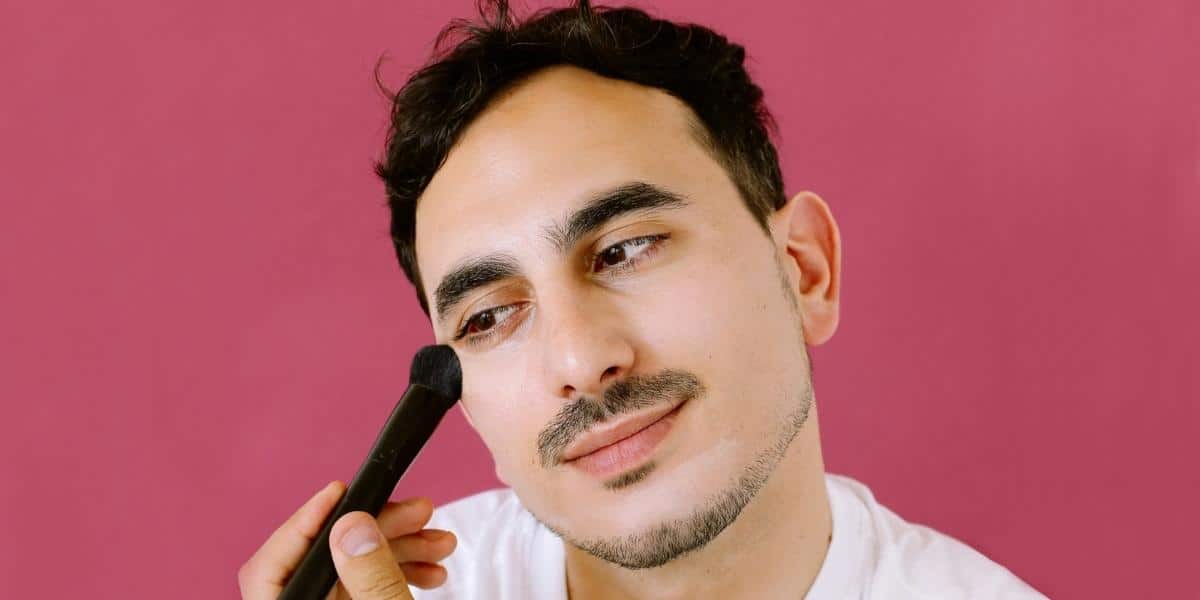
To define facial features, apply bronzer with a light hand along the natural contours of your face. Use a fluffy brush for a soft, diffused finish. The same technique applies when grooming eyebrows. Use a brow pencil or gel to fill in sparse areas, creating a neat and masculine appearance.

How Can Men Address Specific Skin Concerns?

Men often encounter skin concerns such as dark circles, blemishes, redness, and uneven skin tone. Makeup offers practical solutions to tackle these issues without drawing attention to the fact that it’s being used.

Dark circles can be concealed using an orange or peach-toned corrector under the eyes, followed by a concealer that matches your skin tone. This combination neutralizes the blue or purple tones common in under-eye discoloration.

For blemishes, a green-tinted primer can counteract redness before applying foundation. Spot-concealing with a precise applicator ensures that blemishes are covered without creating a cakey appearance. Uneven skin tone, whether from hyperpigmentation or dullness, can be addressed with a light layer of foundation or tinted moisturizer.

These techniques not only improve the overall appearance of the skin but also boost confidence by providing a smoother, more polished look.

What Advanced Techniques Can Elevate Men’s Makeup?

Once you’ve mastered the basics, advanced techniques like contouring and highlighting can take your grooming to the next level. Contouring involves using a product slightly darker than your skin tone to define the jawline, cheekbones, and nose. This adds dimension and creates a chiseled appearance.

Highlighting complements contouring by adding light to specific areas of the face, such as the tops of the cheekbones, the bridge of the nose, and the brow bone. Use a subtle, matte highlighter for a masculine and natural look.

For men with facial hair, makeup can also be used to enhance grooming. Beard pencils can fill in sparse areas for a fuller appearance, while a touch of concealer around the edges of the beard creates a clean, defined line.

Experimenting with these techniques allows you to adapt your look to different occasions, whether it’s a professional setting or a casual outing.

Why Men’s Makeup is More Than Just a Trend

The rise of men’s makeup reflects a broader cultural shift toward embracing self-expression and breaking traditional gender norms. It is no longer about hiding imperfections but about enhancing what makes you unique. By using makeup as a tool for confidence and creativity, men can feel more empowered in their personal and professional lives.

Read Also: How Jazz Shapes Music and Culture Today

The evolving landscape of men’s grooming encourages individuality while normalizing self-care practices that once carried stigma. As brands continue to develop products tailored to men and influencers share techniques online, the barriers to entry continue to fall. This progression ensures that makeup becomes an accessible, versatile tool for all men.