Thrive Monthly

From Kohl to Contour: The Wild Ride of Women’s Beauty Through the Ages

For centuries, women’s beauty routines have been a wild and wonderful ride. We’re talking everything from ancient Egyptian eyeliner rituals to the pale-skin obsession of the Renaissance—it’s been a non-stop evolution of trends, traditions, and sometimes, just plain bizarre practices.

What was once considered the epitome of beauty in one era might make us cringe today. Imagine rocking lead-based makeup (yikes!) or shaving your hairline to achieve a fashionably high forehead. As they say, “Beauty is in the eye of the beholder,” and that eye has definitely wandered over the years.

But hey, that’s what makes it so fascinating! Diving into the history of women’s beauty is like opening a treasure chest filled with unexpected gems—some shiny, some downright scary, but all revealing something about the culture and values of their time. So, buckle up and get ready to explore the weird, wacky, and wonderful world of women’s beauty through the ages.

Ancient Origins: More Than Just a Pretty Face

In ancient Egypt, beauty wasn’t just about looking good; it was a whole spiritual and social thing. We’re not just talking a little mascara here – both men and women were all about that heavy eyeliner life. Think Cleopatra-level drama with kohl, a smoky concoction of soot and minerals. But it wasn’t just a fashion statement; they believed this dark liner could shield their peepers from the sun’s glare and even scare off evil spirits. Talk about multitasking makeup!

Meanwhile, over in ancient China, pale skin was the holy grail of beauty. Forget tanning salons – these women were all about staying out of the sun and slathering on rice powder to achieve a porcelain complexion. Some even resorted to using lead-based powders (yikes!), a dangerous but sadly common practice in pursuit of beauty.

While the Egyptians and Chinese were going for bold and bright, the Greeks and Romans were keeping it au naturel. Think less “full face of makeup” and more “goddess glow.” They’d accentuate their features with subtle touches of rouge and oil, aiming for a radiant and healthy look. It was all about enhancing their natural beauty, not masking it.

The Renaissance: Fair Skin and Fancy Hair

The Renaissance was all about that pale, porcelain skin. Being fair-skinned was like having a neon sign flashing “rich and fabulous!” But let’s just say the methods for achieving this coveted complexion were a bit questionable. Elizabethan women were known to slather on lead-based makeup (a recipe for disaster, really) and even dabbled in bloodletting to drain color from their faces. As they said at the time, “A perfect complexion is the crown of beauty.” Luckily, we’ve since discovered healthier (and less vampire-esque) ways to achieve a glow.

But it wasn’t just about the face; hair was having a major moment too. We’re not talking about a simple topknot here. Think sky-high styles adorned with pearls, jewels, and even tiny ships perched precariously on top. These elaborate hairstyles were like wearable art, showcasing the wearer’s status and creativity. It’s safe to say that a good hair day in the Renaissance was a whole different ballgame.

While we might raise an eyebrow (or two) at some of these practices today, they offer a fascinating glimpse into the beauty standards of the time. It’s a reminder that what we consider beautiful is constantly evolving, shaped by cultural norms, social values, and even a bit of good old-fashioned peer pressure.

The 1920s: Flappers and the Power of Makeup

The Roaring Twenties were like a confetti cannon explosion of change, and that included the world of beauty. In swooped the flappers, those rebellious young women with their bobbed hair and daring attitudes. They weren’t afraid to ditch the stuffy old rules and embrace a bold new look.

Red lipstick became their signature, a symbol of independence and a big middle finger to the conservative norms of the past. It was all about smoky eyes, dramatic brows, and a dusting of powder for that oh-so-chic matte finish. Makeup was no longer just about enhancing your features; it was a declaration of self-expression and a way to celebrate newfound freedoms.

As one magazine famously proclaimed in the 1920s, “The woman who used to feel that she could not face the day without a veil now walks forth barefaced, powdered and lipsticked.” This simple statement captures the spirit of the era perfectly – a time when women were breaking free from the constraints of the past and embracing their individuality, one swipe of lipstick at a time.

The Mid-20th Century: Glamorous Icons and Classic Looks

The mid-20th century was the golden age of Hollywood glamour, and boy, did it deliver some iconic beauty looks. We’re talking Marilyn Monroe’s signature red pout and those come-hither winged eyes. It was a look that oozed confidence and sex appeal, and it’s still a classic today.

Then there was Audrey Hepburn, the epitome of timeless elegance. Her bold brows and perfectly drawn cat eye were all about accentuating her doe-eyed beauty. It was a look that was both sophisticated and playful, and it’s been copied countless times over the years.

And let’s not forget Twiggy, the mod icon who rocked super-short hair, spidery lashes, and a barely-there lip. Her look was youthful, edgy, and totally revolutionary for its time. It challenged traditional beauty standards and paved the way for more experimental makeup trends. As one fashion editor put it, “Twiggy’s look was a breath of fresh air – a symbol of youthful rebellion and a rejection of the old-fashioned ideals of beauty.”

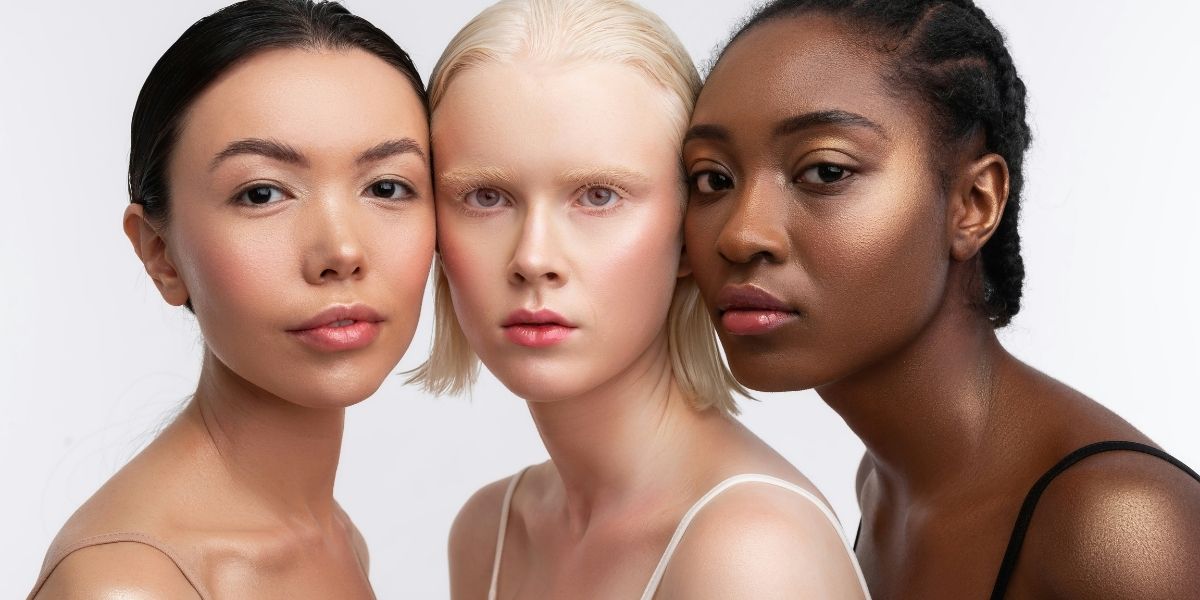
The late 20th century and the 21st century have seen a huge shift in the beauty industry. “We are moving away from a ‘one-size-fits-all’ approach to beauty and embracing a more inclusive and diverse range of looks,” says celebrity makeup artist, Pat McGrath. Social media has given everyone a platform to share their unique styles, and brands are finally starting to cater to a wider range of skin tones and types.

In today’s world, women’s beauty is more diverse and inclusive than ever. It’s about self-expression, confidence, and feeling good in your own skin. Whether you prefer a natural “no-makeup” makeup look, bold colors, or dramatic styles, there’s no right or wrong way to do beauty. The most important thing is to have fun with it and find what makes you feel your best.

Healthy Skin: Natural Skincare Tips for Women

Achieving healthy, radiant skin doesn’t always require expensive products or complicated routines. Natural skincare offers effective, affordable, and gentle ways to care for your skin using ingredients that are often already in your kitchen. Here are some natural skincare tips for women to help you maintain healthy, glowing skin.

Why Choose Natural Skincare?

Natural skincare uses ingredients derived from nature, free from synthetic chemicals, fragrances, and dyes. Here are a few benefits of choosing natural skincare:

Gentle on the Skin Natural ingredients are generally gentler on the skin compared to synthetic chemicals, reducing the risk of irritation and allergic reactions.

Environmentally Friendly Using natural products supports eco-friendly practices by minimizing the use of harmful chemicals that can damage the environment.

Cost-Effective Many natural skincare remedies use ingredients you likely already have at home, making them a budget-friendly option.

How Can You Cleanse Your Skin Naturally?

Proper cleansing is the foundation of any skincare routine. Here are some natural ways to cleanse your skin:

Honey Cleanser Honey is a natural antibacterial agent and gentle cleanser. It helps remove impurities without stripping your skin of its natural oils.

  • How to Use: Apply raw honey to your face, gently massage it in, and rinse with warm water.

Oil Cleansing Using natural oils like coconut, olive, or jojoba oil can effectively remove makeup and impurities while keeping your skin moisturized.

  • How to Use: Massage a small amount of oil onto your face, let it sit for a minute, then wipe off with a warm, damp cloth.

What Are Natural Exfoliation Methods?

Exfoliating removes dead skin cells, revealing smoother, brighter skin underneath. Here are some natural exfoliants:

Sugar Scrub Sugar is a natural exfoliant that gently removes dead skin cells and promotes circulation.

  • How to Use: Mix equal parts sugar and olive oil, gently scrub your face in circular motions, then rinse off with warm water.

Oatmeal Scrub Oatmeal is soothing and suitable for sensitive skin. It gently exfoliates and reduces inflammation.

  • How to Use: Mix ground oatmeal with water or yogurt to form a paste, apply to your face, gently scrub, and rinse off.

How to Moisturize Naturally?

Keeping your skin hydrated is crucial for maintaining its elasticity and glow. Here are natural ways to moisturize your skin:

Aloe Vera Aloe vera is known for its hydrating and healing properties. It soothes the skin and provides moisture without feeling greasy.

  • How to Use: Apply pure aloe vera gel directly to your skin and let it absorb.

Coconut Oil Coconut oil is a natural moisturizer rich in fatty acids that nourish and hydrate the skin.

  • How to Use: Apply a small amount of coconut oil to your face and body, massaging it in until fully absorbed.

What Natural Ingredients Can Brighten Your Skin?

Certain natural ingredients can help brighten your complexion and reduce the appearance of dark spots:

Lemon Juice Lemon juice is rich in vitamin C and has natural bleaching properties that can lighten dark spots.

  • How to Use: Dilute lemon juice with water and apply to dark spots with a cotton ball. Leave on for 10-15 minutes, then rinse off. Use sparingly and avoid sun exposure afterward.

Turmeric Turmeric has anti-inflammatory and brightening properties that can improve your skin’s overall tone.

  • How to Use: Mix turmeric powder with honey or yogurt to form a paste, apply to your face, and leave on for 10-15 minutes before rinsing off.

How to Treat Acne Naturally?

Natural ingredients can help reduce acne and prevent future breakouts:

Tea Tree Oil Tea tree oil has antibacterial properties that make it effective against acne-causing bacteria.

  • How to Use: Dilute tea tree oil with a carrier oil (like jojoba oil) and apply to acne spots using a cotton swab.

Apple Cider Vinegar Apple cider vinegar balances the skin’s pH and has antibacterial properties.

  • How to Use: Dilute apple cider vinegar with water and use as a toner. Apply with a cotton ball and leave on for 5-10 minutes before rinsing off.

How Can You Protect Your Skin Naturally?

Protecting your skin from environmental damage is essential for maintaining its health and appearance:

Sunscreen While natural sunscreens can be beneficial, ensure they provide broad-spectrum protection with a sufficient SPF.

  • Natural Options: Look for sunscreens with zinc oxide or titanium dioxide as active ingredients.

Antioxidants Antioxidants protect your skin from free radical damage caused by environmental factors like pollution and UV rays.

  • Natural Sources: Include antioxidant-rich foods in your diet, such as berries, green tea, and nuts. Topically, you can use products containing vitamins C and E.

Natural skincare offers a gentle, effective, and eco-friendly approach to maintaining healthy, radiant skin. By incorporating natural ingredients into your daily routine, you can achieve a glowing complexion without relying on synthetic products. Remember to cleanse, exfoliate, moisturize, and protect your skin using these natural methods, and enjoy the benefits of a more natural approach to skincare.

Makeup Trends: Bold Graphic Liner, “Clean Girl” Makeup Aesthetic, Euphoria-Inspired Makeup, and the Resurgence of 90s Makeup Trends

Bold Graphic Liner

The world of makeup is constantly evolving, with new trends emerging and old favorites making a comeback. In recent years, several distinct makeup trends have captured the attention of beauty enthusiasts and professionals alike. These trends include bold graphic liner, the “clean girl” makeup aesthetic, Euphoria-inspired makeup, and the resurgence of 90s makeup trends. Each of these styles offers a unique way to express individuality and creativity through makeup. This article explores these popular makeup trends, their characteristics, and how to achieve these looks.

Bold graphic liner is a striking trend that focuses on creating dramatic, eye-catching designs with eyeliner. This trend goes beyond the traditional cat-eye or winged liner, incorporating geometric shapes, lines, and patterns to make a bold statement. Bold graphic liner allows for endless creativity, making it a favorite among makeup artists and enthusiasts who love to experiment with their looks.

To achieve the bold graphic liner look, start with a high-quality, long-lasting eyeliner. Liquid liners are ideal for creating precise lines, while gel liners can offer more control for intricate designs. Begin by outlining the desired shape or pattern on your eyelid, and then fill in the design with the liner. Popular designs include double wings, negative space liner, and abstract shapes. For added impact, consider using colored liners or incorporating metallic shades.

Practice is key to mastering bold graphic liner, as it requires a steady hand and precision. Experiment with different shapes and styles to find what works best for your eye shape and personal style. Bold graphic liner can be paired with minimal makeup on the rest of the face to let the eyes take center stage.

“Clean Girl” Makeup Aesthetic

The “clean girl” makeup aesthetic emphasizes a natural, fresh-faced look that highlights healthy, glowing skin. This trend focuses on minimal makeup, enhancing natural features rather than covering them up. The goal is to achieve a polished yet effortless appearance, perfect for everyday wear.

To create the “clean girl” makeup look, start with a good skincare routine to ensure your skin is well-hydrated and prepped. Use a lightweight, dewy foundation or tinted moisturizer to even out your skin tone without masking your natural complexion. Conceal any blemishes or under-eye circles with a light-coverage concealer.

For the eyes, opt for neutral shades that enhance your natural eye color. A soft, neutral eyeshadow, a coat of mascara, and well-groomed brows are all you need. For the cheeks, choose a cream blush in a natural, rosy shade to add a subtle flush of color. Highlight the high points of your face with a cream highlighter to achieve a luminous glow.

Finish the look with a natural lip color, such as a tinted lip balm or a nude lipstick. The “clean girl” makeup aesthetic is all about enhancing your natural beauty with minimal products, making it a quick and easy routine for everyday wear.

Euphoria-Inspired Makeup

Euphoria-inspired makeup is a trend that gained popularity from the hit television show “Euphoria,” known for its bold and artistic makeup looks. This trend embraces vibrant colors, glitter, rhinestones, and unconventional designs to create a dramatic and expressive appearance. Euphoria-inspired makeup is perfect for those who love to push the boundaries and make a statement with their makeup.

To achieve a Euphoria-inspired makeup look, start by choosing a bold color palette. Bright eyeshadows, neon liners, and glitter are key elements of this trend. Experiment with different color combinations and blending techniques to create a unique and eye-catching look.

Incorporate glitter and rhinestones to add sparkle and dimension to your makeup. Apply glitter eyeshadow or loose glitter to your eyelids, and use lash glue to adhere rhinestones around your eyes or on your face. Don’t be afraid to get creative with the placement and design of the rhinestones.

Finish the look with dramatic lashes and a bold lip color. Euphoria-inspired makeup is all about expressing your individuality and having fun with your makeup, so don’t be afraid to experiment and try new things.

The Resurgence of 90s Makeup Trends

The resurgence of 90s makeup trends has brought back some iconic looks from the decade, with a modern twist. Key elements of 90s makeup include brown lip liner, frosted eyeshadow, matte skin, and thin brows. This trend has been embraced by both nostalgic individuals who lived through the 90s and younger generations looking to recreate the iconic looks of the era.

To achieve a 90s-inspired makeup look, start with a matte foundation to create a flawless base. Use a matte bronzer to contour your face and add definition. For the eyes, choose frosted eyeshadows in shades of silver, blue, or lavender. Apply the eyeshadow all over your eyelids and blend it up to the brow bone.

Thin, well-defined brows are a hallmark of 90s makeup. If you have naturally thick brows, consider using a brow gel to tame and shape them, or carefully pluck them to achieve a thinner look. For the lips, use a brown lip liner to outline your lips and fill them in with a matching brown or nude lipstick. For an authentic 90s look, opt for a matte lip finish.

Another popular 90s trend making a comeback is the use of dark lip colors, such as deep reds and burgundies. These shades can add a bold and dramatic touch to your makeup look, perfect for evening wear or special occasions.

Makeup trends are constantly evolving, with new styles emerging and old favorites making a comeback. The current trends of bold graphic liner, the “clean girl” makeup aesthetic, Euphoria-inspired makeup, and the resurgence of 90s makeup trends offer a variety of ways to express individuality and creativity through makeup. Whether you prefer a natural, fresh-faced look or enjoy experimenting with bold and dramatic designs, there is a trend to suit every style and preference. By understanding and incorporating these trends into your makeup routine, you can stay on top of the latest beauty fashions and create looks that make you feel confident and beautiful.

Transform Your Skincare Routine with Witch Hazel

Witch hazel has long been a trusted natural remedy for achieving healthy, radiant skin. Derived from the bark and leaves of the witch hazel plant, this powerful astringent is celebrated for its ability to address a range of skincare concerns. From reducing acne to soothing irritation and inflammation, witch hazel is a versatile ingredient that can enhance any skincare routine. Understanding its benefits and how to use it effectively can help you unlock its full potential.

What Makes Witch Hazel Effective?

The effectiveness of witch hazel lies in its natural composition. Rich in tannins and antioxidants, it acts as a natural astringent, helping to cleanse the skin and tighten pores. The tannins help remove excess oil, making it an excellent choice for individuals with oily or acne-prone skin.

The anti-inflammatory properties of witch hazel make it highly effective in calming redness and irritation. Whether you’re dealing with a breakout or soothing skin after shaving, witch hazel offers gentle relief without the harshness of synthetic products.

For those concerned about environmental impact, witch hazel is also a sustainable skincare option. Extracted from a plant native to North America, it’s a renewable resource that aligns with eco-conscious beauty trends.

How Can Witch Hazel Help With Acne?

Acne is one of the most common skin concerns, and witch hazel has proven to be a reliable ally in the fight against breakouts. Its ability to remove excess oil and control sebum production helps prevent clogged pores, which are a major contributor to acne.

Witch hazel’s antibacterial properties also work to reduce the presence of acne-causing bacteria on the skin’s surface. Unlike some harsher treatments, it doesn’t strip the skin of its natural moisture, making it suitable for individuals with sensitive skin.

To incorporate witch hazel into your anti-acne routine, use it as a toner after cleansing. Apply it with a cotton pad, focusing on areas prone to breakouts. Follow with a non-comedogenic moisturizer to maintain hydration and balance.

How Does Witch Hazel Reduce Inflammation and Soothe Irritation?

Inflammation and skin irritation can result from a variety of factors, including sunburn, shaving, or exposure to harsh environmental conditions. Witch hazel offers a natural remedy for these issues, thanks to its calming properties.

The anti-inflammatory compounds in witch hazel help reduce redness and swelling, making it an excellent choice for sensitive or reactive skin. It can be particularly useful for soothing conditions such as eczema, psoriasis, or rosacea.

Many people find relief by applying witch hazel directly to irritated areas using a soft cotton pad. Its cooling effect provides immediate comfort, while regular use can help restore the skin’s natural barrier.

Can Witch Hazel Be Used as a Toner?

One of the most popular uses of witch hazel is as a skin toner. Toners play a crucial role in skincare by removing leftover impurities after cleansing and preparing the skin for subsequent treatments.

Using witch hazel as a toner offers several benefits. It tightens pores, smooths the skin, and balances its natural pH levels. This makes it a great option for individuals seeking a multi-purpose solution in their skincare routine.

When choosing a witch hazel toner, opt for alcohol-free formulas to prevent dryness, especially if you have normal or combination skin. Products with added soothing ingredients like aloe vera or rose water can enhance the toning experience while keeping the skin hydrated.

What Skin Types Benefit Most From Witch Hazel?

While witch hazel offers benefits for most skin types, understanding its compatibility with your skin is key to maximizing its potential.

Oily and Acne-Prone Skin: Witch hazel’s ability to control oil production and minimize pores makes it an ideal choice for these skin types.

Sensitive Skin: Thanks to its anti-inflammatory properties, witch hazel soothes irritation and reduces redness without causing further sensitivity.

Normal or Combination Skin: When used sparingly, witch hazel can help balance oil levels and maintain a clear, smooth complexion.

However, individuals with very dry skin should use witch hazel cautiously. Its astringent properties, while beneficial for oil control, can sometimes lead to dryness if overused. Pairing it with a hydrating serum or moisturizer ensures your skin stays balanced.

How to Incorporate Witch Hazel Into Your Skincare Routine

Adding witch hazel to your routine is simple and versatile. Here are some tips for seamless integration:

Use it as a toner after cleansing to tighten pores and remove impurities.

Apply it to irritated or inflamed areas for a cooling, calming effect.

Dab it onto blemishes to reduce redness and swelling.

Choose high-quality products that are free of synthetic additives for the best results. Brands like Thayers, known for their alcohol-free witch hazel toners, offer reliable options for every skin type.

Embrace the Benefits of Witch Hazel

From its anti-inflammatory properties to its ability to fight acne and balance oil levels, witch hazel remains one of the most versatile and effective natural remedies in skincare. By understanding its uses and choosing the right products, you can harness its power to achieve healthy, radiant skin.

Benefits of Facial Devices for Healthier, Glowing Skin

How Can Facial Devices Revolutionize Your Skincare Routine?

The world of skincare has evolved dramatically, with facial devices emerging as game-changing tools for achieving healthier, glowing skin. These devices offer advanced solutions that were once confined to professional clinics, now accessible in the comfort of your home. But how do they work, and what makes them so beneficial for skin health?

Facial devices come in various forms, each designed to target specific skin concerns. From improving texture to reducing signs of aging, these tools complement traditional skincare routines by enhancing the effectiveness of products and treatments. By understanding their unique benefits, you can incorporate them into your regimen to achieve noticeable results.

What Are the Benefits of Using Facial Devices?

Facial devices provide a range of benefits that address common skin concerns, making them popular among skincare enthusiasts. One key advantage is their ability to boost circulation. Increased blood flow nourishes the skin, promoting a brighter, more youthful complexion.

Devices like LED light therapy masks and microcurrent tools are especially effective for anti-aging. LED devices target specific wavelengths to stimulate collagen production and reduce inflammation, while microcurrent tools tone and lift facial muscles, minimizing fine lines and wrinkles.

For those struggling with clogged pores or uneven texture, devices such as ultrasonic spatulas and cleansing brushes can be transformative. These tools deeply cleanse the skin, removing impurities and enhancing product absorption. Over time, consistent use can lead to smoother, clearer skin.

Another significant benefit is convenience. With advancements in technology, many devices are designed for at-home use, offering salon-quality results without the hefty price tag or time commitment. This accessibility empowers users to maintain consistent skincare routines, a key factor in achieving long-term skin health.

How Do Different Facial Devices Work?

Understanding how facial devices function helps demystify their benefits and ensures you select the right tool for your needs.

LED light therapy devices use different colors of light to address specific concerns. Blue light is ideal for acne-prone skin, targeting bacteria and reducing breakouts, while red light stimulates collagen and combats signs of aging.

Microdermabrasion devices exfoliate the skin by removing the outer layer of dead cells. This process reveals a fresher, smoother layer beneath and can reduce the appearance of hyperpigmentation or scars over time.

Facial rollers and gua sha tools focus on lymphatic drainage, reducing puffiness and improving skin elasticity. These manual devices are simple yet effective, often paired with serums or oils for enhanced benefits.

For a deeper cleanse, cleansing brushes use oscillating or rotating bristles to remove dirt and makeup more thoroughly than manual washing. Similarly, ultrasonic spatulas emit gentle vibrations to lift impurities, making them a go-to for maintaining clear pores.

Are Facial Devices Safe for All Skin Types?

While facial devices offer remarkable benefits, it’s essential to use them correctly to avoid adverse effects. Most devices are designed to be gentle and safe for all skin types, but there are a few precautions to keep in mind.

Those with sensitive skin should avoid overusing exfoliating tools like microdermabrasion devices or harsh cleansing brushes, as they can cause irritation. Instead, opt for gentler options like LED light therapy or facial rollers.

For individuals with certain skin conditions, such as rosacea or eczema, consulting a dermatologist before using any device is crucial. These conditions may require specialized care, and not all tools are suitable.

It’s also important to follow the manufacturer’s instructions carefully. Overuse or improper application can lead to redness, dryness, or other unwanted side effects. Incorporating facial devices gradually into your routine allows your skin to adjust while maximizing their benefits.

Why Are Facial Devices Worth the Investment?

Investing in facial devices goes beyond immediate results. These tools support long-term skin health, complementing your existing routine and addressing concerns that topical products alone may struggle to solve.

Their versatility is another reason they stand out. Whether you’re looking to reduce breakouts, minimize wrinkles, or achieve a radiant glow, there’s likely a device tailored to your needs. Additionally, with regular use, many users notice improved skin texture, better hydration, and enhanced absorption of their favorite serums and moisturizers.

The convenience of at-home devices saves time and money. While professional treatments remain valuable, facial devices bridge the gap, offering effective solutions for maintaining results between clinic visits.

How Russian Manicures Are Redefining Nail Care

In the world of beauty, nail art is more than just a trend—it’s a form of self-expression. Over the years, creative designs have pushed the boundaries of style, blending artistry with personal identity. Among the many innovations captivating beauty enthusiasts, Russian manicures stand out as a meticulous technique redefining standards of precision and aesthetics. Paired with unique, intricate designs, these manicures are quickly becoming a go-to choice for those seeking both sophistication and boldness.

What Makes Russian Manicures So Unique?

The Russian manicure technique has taken the nail industry by storm due to its unparalleled focus on detail and cleanliness. Unlike traditional manicures, this method uses an electric nail file, or e-file, to carefully clean and shape the cuticle area. By creating a flawless base, the manicure not only looks impeccable but also lasts longer. This level of precision is ideal for those who want their nail art to have a polished and professional appearance.

The popularity of this approach is also linked to its ability to promote healthier nails. By minimizing the risk of over-clipping or damage to the natural nail bed, the Russian manicure ensures that beauty doesn’t come at the cost of nail health. It’s no wonder that professionals and clients alike are embracing this technique for its aesthetic and practical benefits.

How Are Creative Designs Elevating Nail Art?

Creative nail art has become a defining feature of self-expression in modern beauty culture. From abstract patterns to miniature portraits, the possibilities for customization are endless. The rise of Russian manicures has only enhanced this trend, providing a pristine canvas for intricate designs.

Many artists are incorporating bold, vibrant colors and metallic accents into their work, creating eye-catching designs that reflect individual personalities. Popular trends include geometric patterns, negative space designs, and 3D embellishments such as crystals or pearls. Each design tells a story, making nails not just an accessory but an integral part of personal style.

One of the most exciting aspects of nail art is its versatility. Whether you prefer minimalist elegance or avant-garde creativity, there’s a design to suit every taste. Seasonal themes and special occasions often inspire artists, allowing clients to celebrate milestones or express festive cheer through their nails.

Why Are These Trends Gaining Popularity?

The growing appeal of Russian manicures and creative nail designs can be attributed to several factors. First, social media platforms like Instagram and TikTok have amplified the visibility of innovative techniques and designs. Influencers and beauty professionals frequently share tutorials and transformations, sparking curiosity and encouraging people to try new styles.

The pandemic shifted beauty priorities for many individuals. With a heightened focus on self-care, people began exploring ways to pamper themselves at home and in salons. Manicures and nail art became a creative outlet, offering a sense of normalcy and joy during uncertain times.

Cultural appreciation also plays a role. The Russian manicure technique highlights the craftsmanship and dedication of professionals, elevating nail care to an art form. Similarly, creative nail art celebrates individuality and the power of self-expression. Together, they resonate with those who want their beauty routines to reflect their unique identities.

How to Get Started with Russian Manicures and Nail Art

If you’re curious about experiencing the precision of a Russian manicure, start by finding a licensed nail technician trained in the technique. Proper execution requires skill and expertise, so it’s essential to work with professionals who prioritize safety and quality.

For those looking to explore nail art, communication is key. Share your vision with your nail technician and discuss design possibilities. Bringing reference images can help ensure the final result matches your expectations.

Consider experimenting with trending designs like minimalist line art, ombré effects, or nature-inspired motifs. For bolder looks, opt for textures like chrome or matte finishes. Investing in quality nail care products, such as cuticle oils and strengthening treatments, will help maintain the health and longevity of your manicure.

A Glimpse Into the Future of Nail Art

The future of nail art is brimming with possibilities. As technology advances, we’re likely to see even more innovative techniques emerge. Digital tools, such as AI-powered nail design apps, are already transforming how clients and artists collaborate. These tools allow users to preview designs virtually before committing to a look, making personalization even more accessible.

Eco-friendly practices are also shaping the industry. Many salons are adopting sustainable products and cruelty-free materials, appealing to environmentally conscious consumers. This shift not only benefits the planet but also ensures that beauty remains inclusive and responsible.

As Russian manicures and creative designs continue to dominate, their impact on the beauty world is undeniable. They represent a perfect blend of artistry, innovation, and individuality, inspiring countless individuals to express themselves through their nails.

The Art Behind the World’s Expensive Perfumes

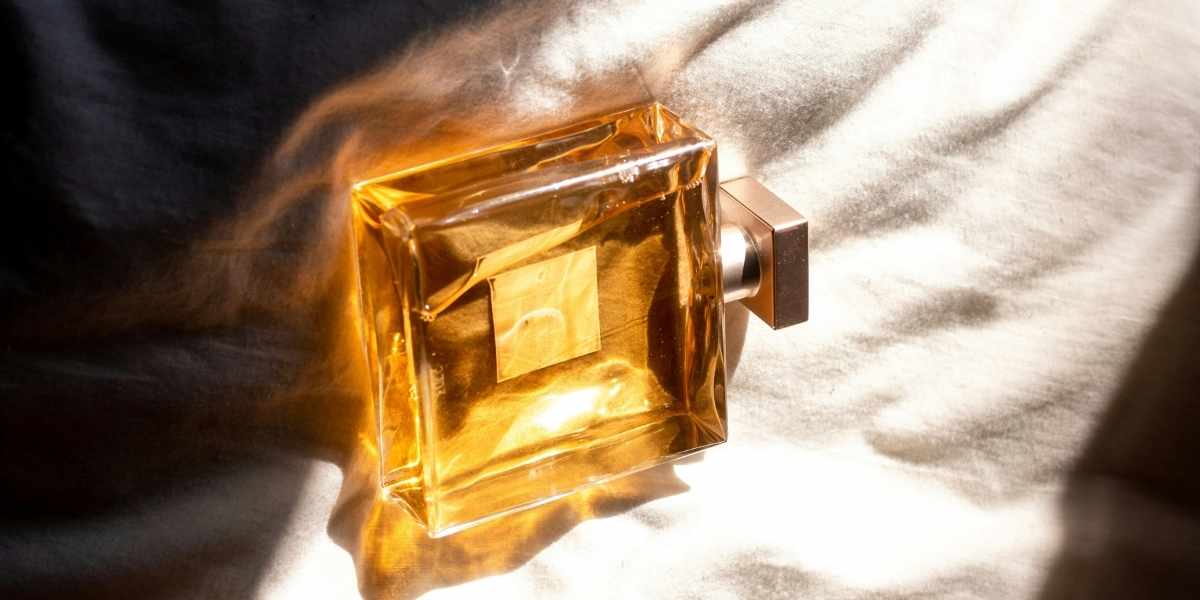
Perfume has long been a symbol of luxury, elegance, and personal identity. For centuries, it has captivated humanity with its ability to evoke emotions and create lasting impressions. In the world of high-end perfumery, exclusivity reaches its peak. The expensive fragrances in the world are not just scents; they are masterpieces, combining rare ingredients, masterful craftsmanship, opulent packaging, and a touch of exclusivity. These elements together justify their jaw-dropping prices, making them coveted by collectors and connoisseurs alike.

Read Also: Transform Your Skincare Routine with Witch Hazel

What Makes Rare Ingredients Essential in Luxury Perfumes?

The foundation of any extraordinary perfume lies in its ingredients. The rare and precious materials used in the creation of high-end fragrances significantly contribute to their cost. Exotic floral extracts, such as Bulgarian rose oil and Indian jasmine sambac, are prized for their richness and depth. These natural essences require enormous quantities of flowers to produce even a small amount of oil. For instance, it takes nearly 10,000 roses to yield just a few milliliters of rose essence.

Equally valuable are rare resins and woods like oud and ambergris. Oud, often referred to as “liquid gold,” is derived from the resinous heartwood of the agarwood tree. It is both rare and labor-intensive to harvest, making it one of the sought-after perfume ingredients in the world. Ambergris, a substance produced by sperm whales, is prized for its unique ability to enhance the longevity of a fragrance. These ingredients are not only scarce but also notoriously difficult to source, elevating the exclusivity and price of the final product.

Natural spices such as saffron and cardamom also play a pivotal role. Their rich, complex aromas add a level of sophistication that synthetic alternatives cannot replicate. The allure of these ingredients lies not only in their scent but in their ability to transform a fragrance into a sensory journey. The use of such rare elements ensures that each high-end perfume delivers an unparalleled olfactory experience.

How Does Craftsmanship Elevate the Art of Perfumery?

The creation of luxury perfumes is an art form, requiring the expertise of master perfumers, often referred to as “noses.” These skilled artisans dedicate years, sometimes decades, to perfecting a single scent. Their work goes beyond simply blending ingredients; it involves a deep understanding of how different elements interact and evolve over time.

Master perfumers often rely on techniques passed down through generations. They carefully balance each note, ensuring that the fragrance develops beautifully on the skin. This intricate process demands patience, precision, and an acute sense of smell. The result is a scent that unfolds in layers, offering a complexity that mass-produced perfumes cannot replicate.

The time and effort invested in creating these perfumes are reflected in their price. Fragrances like Clive Christian No. 1 and Jean Patou Joy are celebrated for their carefully crafted compositions, which stand as testaments to the dedication of the perfumers behind them. By combining tradition with innovation, these artisans push the boundaries of olfactory art, elevating perfume from a commodity to a form of expression.

Why Does Luxury Packaging Add Value to High-End Fragrances?

Packaging plays a crucial role in defining the allure of the world’s expensive perfumes. Beyond the fragrance itself, the bottle is often a work of art, designed to reflect the exclusivity and opulence of its contents. High-end perfume houses collaborate with renowned designers and jewelers to create bottles adorned with gold, platinum, and precious stones.

Perfumes such as Shumukh, known for its extravagant packaging, feature bottles encrusted with diamonds and other gemstones. Some luxury brands, like Lalique, craft bottles from hand-blown crystal, ensuring that each piece is unique. The craftsmanship involved in designing these bottles adds another layer of exclusivity, appealing to collectors and enthusiasts who view them as both a fragrance and a treasure.

The packaging also serves as a statement of luxury. Elaborate designs and intricate details elevate the entire experience of owning and using these perfumes. The bottle becomes more than a container—it transforms into a symbol of prestige and sophistication.

How Does Exclusivity Drive the Appeal of Expensive Perfumes?

The scarcity of high-end perfumes significantly enhances their desirability. Many of the expensive fragrances are produced in limited quantities or offered as bespoke creations tailored to individual clients. This exclusivity ensures that only a select few can experience these extraordinary scents.

Limited editions, such as Chanel Grand Extrait, are made in small batches and sold to a niche clientele. Bespoke perfumes take exclusivity a step further by involving clients in the creative process. Collaborating with a master perfumer, individuals can create a fragrance that is uniquely theirs, from selecting ingredients to designing the bottle. This personalized touch adds immeasurable value, making the perfume a reflection of the wearer’s identity.

Exclusivity also extends to the distribution of these perfumes. High-end fragrances are often available only through select boutiques or private showings, adding an element of intrigue and prestige. This limited availability reinforces their status as coveted luxury items.

Read Also: Mastering Hair Care Tips and Trends for Healthy Locks, Stylish Hairstyles, and Common Hair Woes

The Timeless Appeal of Luxury Fragrances

The world of high-end perfumery is a celebration of artistry, craftsmanship, and exclusivity. The expensive perfumes are not merely products; they are experiences that combine rare ingredients, meticulous craftsmanship, luxurious packaging, and unparalleled exclusivity. These elements together create fragrances that transcend trends and leave a lasting impression.

While their exorbitant prices may seem extravagant, these perfumes represent the pinnacle of olfactory artistry. They capture the essence of luxury and demonstrate the lengths to which creators will go to craft something truly extraordinary. For those fortunate enough to experience them, these scents are more than fragrances—they are a testament to the beauty and complexity of the art of perfumery.

Anti-Aging Innovations: Peptides and Stem Cells Explained

Anti-Aging Innovations: The Role of Peptides and Stem Cells

The search for effective anti-aging solutions has led to exciting innovations, particularly in the realms of peptides and stem cells. These advancements have brought about a new wave of anti-aging products that claim to reverse signs of aging at the cellular level. As the demand for more effective skincare increases, the focus is shifting toward cutting-edge technologies that harness the natural healing powers of the body.

Understanding Peptides in Anti-Aging Products

Peptides, small chains of amino acids, play a vital role in maintaining the structure and function of the skin. As we age, the skin’s ability to repair itself slows down, leading to wrinkles and sagging. Peptide-based treatments help restore the skin’s elasticity by encouraging the production of collagen, a protein that gives the skin its firmness. These treatments have been shown to not only reduce the appearance of fine lines and wrinkles but also improve skin texture and hydration.

Research indicates that copper peptides, for example, are particularly effective in boosting collagen synthesis. This peptide works by stimulating skin regeneration and enhancing cell turnover, which is essential for a youthful appearance. The anti-inflammatory properties of copper peptides also help reduce redness and irritation, making them suitable for sensitive skin types.

Stem Cells and Their Role in Skin Rejuvenation

Stem cells have been a game-changer in anti-aging treatments, offering a more profound approach to rejuvenation. Stem cell-based products are designed to revitalize skin by promoting the growth of new, healthy skin cells. Unlike traditional skincare treatments that only address surface-level concerns, stem cells target the root cause of aging by stimulating the regeneration of damaged tissue.

The stem cells used in these products are often derived from plants or human tissue, though plant-based stem cells are the most common in cosmetic formulations. These stem cells contain growth factors that encourage cell division and repair, leading to more youthful, vibrant skin. While stem cell skincare products may not directly replace damaged cells, they play a significant role in creating the optimal environment for skin renewal and repair.

The Advantages of Combining Peptides and Stem Cells

The combination of peptides and stem cells offers a synergistic effect that enhances the overall effectiveness of anti-aging treatments. Peptides help to increase collagen production, while stem cells encourage skin regeneration and repair. This powerful combination can lead to more visible and long-lasting results. By working on different aspects of skin aging, these two innovations tackle the problem from multiple angles.

Incorporating both peptides and stem cells into a skincare regimen may offer better results than using either ingredient alone. This integrated approach can lead to smoother, firmer skin, reduced fine lines, and an overall more youthful appearance. The rise of these combined treatments has contributed to the growing popularity of luxury anti-aging products in the beauty industry.

The Future of Anti-Aging Technologies

As research continues to progress, the future of anti-aging technologies looks incredibly promising. Scientists are constantly discovering new ways to enhance the effectiveness of peptides and stem cells. With ongoing advancements, these technologies may become more accessible and even more potent in treating signs of aging. As consumers become increasingly interested in natural, scientifically-backed skincare, these innovations are likely to shape the future of the beauty industry.

The potential for peptide and stem cell therapies to not only reduce the appearance of aging but also restore the skin’s natural function marks a significant milestone in cosmetic science. As technology improves, it is expected that these treatments will become more refined, making them available to a broader audience. The ongoing exploration of these technologies will undoubtedly result in even more effective solutions for skin rejuvenation in the years to come.

How Aura Beauty Enhances Mindfulness and Holistic Wellness

How Does Aura Beauty Transform Holistic Wellness?

The concept of Aura Beauty goes beyond traditional cosmetic trends, intertwining spiritual beauty and holistic wellness to create a deeper sense of self-care. Rooted in ancient traditions, this practice embraces the connection between inner energy, mindfulness, and physical appearance. More than just skincare or makeup, it incorporates energy healing, meditation, and conscious beauty rituals that enhance both the body and spirit.

Read Also: The Art Behind the World’s Most Expensive Perfumes

What Is Aura Beauty and Why Is It Gaining Popularity?

The idea of Aura Beauty stems from the belief that beauty is a reflection of one’s inner energy. Unlike conventional beauty trends that focus solely on external appearance, this approach integrates spirituality, mindfulness, and energy balance to enhance overall wellness.

In modern beauty culture, people are looking for more than just surface-level enhancements. They seek ways to radiate positivity, restore balance, and improve well-being from the inside out. This is why ancient healing traditions, including chakra alignment, crystal therapy, and breathwork, are making their way into skincare routines and wellness practices.

How Do Energy Healing and Mindfulness Influence Beauty?

Practices like Reiki, sound baths, and meditation play a significant role in Aura Beauty. These techniques focus on clearing negative energy, reducing stress, and promoting emotional harmony, which can ultimately impact physical appearance.

Stress and emotional imbalances often manifest as dull skin, premature aging, and tension-related conditions. By adopting mindfulness and energy-balancing techniques, individuals may experience a natural glow, improved circulation, and a youthful vibrancy.

Holistic wellness experts emphasize that spiritual beauty is cultivated through positive thoughts, intentional self-care, and conscious lifestyle choices. This perspective encourages individuals to embrace natural beauty while aligning their physical and energetic selves.

What Role Does Skincare Play in Aura Beauty?

Skincare within the Aura Beauty movement is deeply connected to self-care rituals and energetic healing. Instead of relying solely on synthetic products, many followers of this trend turn to herbal remedies, essential oils, and crystal-infused skincare.

Plant-based ingredients, sound therapy-infused serums, and Ayurvedic treatments are increasingly being used to enhance vibrational energy and restore balance. These products are believed to harmonize the aura, allowing the skin to reflect a state of inner peace and vitality.

Beyond products, intuitive skincare techniques such as gua sha, facial reflexology, and lymphatic drainage massages are gaining popularity. These methods not only improve skin health but also promote relaxation and emotional balance.

How Can Holistic Wellness Practices Enhance Spiritual Beauty?

Holistic wellness is a foundational element of Aura Beauty, incorporating practices that nourish both mind and body. Rituals such as sound healing, aromatherapy, and herbal teas are commonly used to elevate mood, relieve stress, and encourage emotional healing.

Many practitioners believe that a balanced aura leads to a more radiant physical appearance. This is why chakra-balancing techniques, yoga, and breathwork are essential components of the spiritual beauty movement. By integrating these practices into daily self-care, individuals can cultivate a deeper connection to their natural beauty.

Read Also: Mastering Men’s Makeup for a Confident Look

The essence of Aura Beauty lies in recognizing that true beauty radiates from within. By prioritizing holistic wellness, mindfulness, and spiritual alignment, individuals can achieve a harmonious glow that reflects both inner peace and external beauty.

Best Practices for Managing Oily Skin Every Day

Maintaining a proper skincare routine for oily skin requires balance, consistency, and the right products. Excess oil production can lead to clogged pores, acne breakouts, and an overall greasy complexion. However, with a well-structured regimen, it is possible to manage oily skin effectively while keeping it healthy and radiant.

Read Also: The Foodie Dilemma: New Tastes or Comfort Food?

What Causes Oily Skin?

Sebaceous glands beneath the skin produce sebum, an oil that helps maintain moisture and protect the skin barrier. However, excess sebum production can result from several factors, including genetics, hormonal fluctuations, climate, diet, and improper skincare products. Understanding these triggers is the first step toward controlling oily skin and preventing common issues such as breakouts and enlarged pores.

How Should You Cleanse Oily Skin?

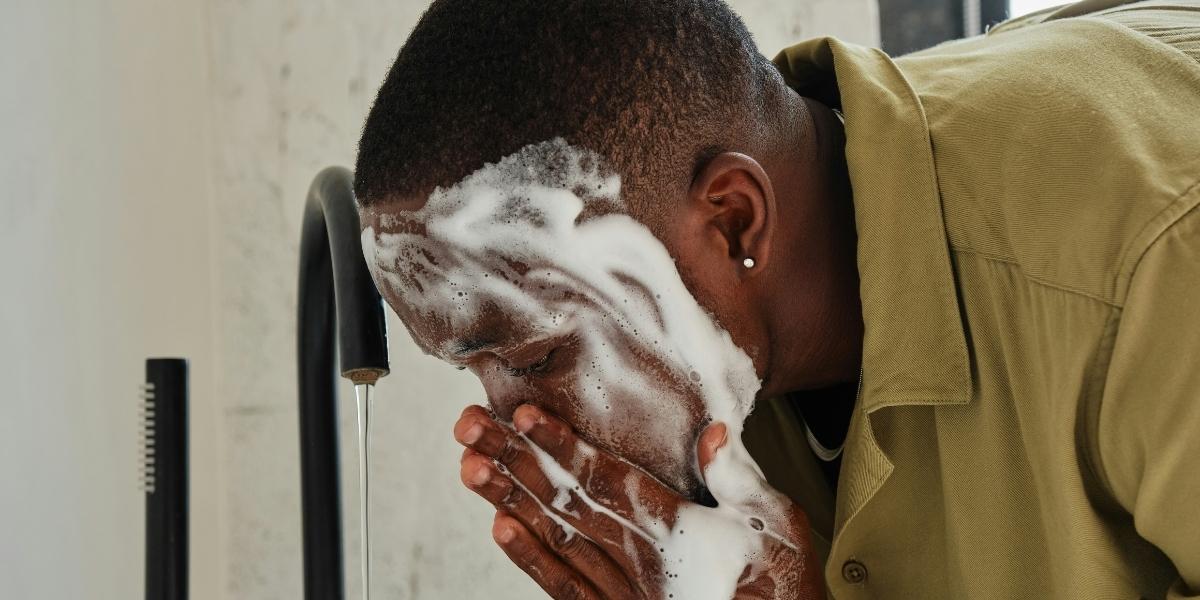
A gentle yet effective cleanser is essential in any oily skin routine. Harsh cleansers that strip the skin of its natural oils can trigger even more sebum production, making the skin oilier. The best approach is to use a lightweight, foaming, or gel-based cleanser that removes dirt, excess oil, and bacteria without disrupting the skin barrier.

Key Ingredients to Look for in a Cleanser:

  • Salicylic Acid: Exfoliates and unclogs pores, reducing the risk of breakouts.
  • Niacinamide: Regulates oil production while soothing inflammation.
  • Tea Tree Oil: Offers natural antibacterial properties to combat acne-causing bacteria.

Cleansing should be done twice a day, in the morning and at night, to prevent oil buildup and maintain skin balance.

What Type of Moisturizer is Best for Oily Skin?

Contrary to common belief, moisturizing is essential for oily skin. Skipping moisturizer can lead to dehydration, which prompts the skin to produce even more oil to compensate. The key is to choose a lightweight, non-comedogenic, and oil-free moisturizer that hydrates without clogging pores.

Ideal Moisturizing Ingredients for Oily Skin:

  • Hyaluronic Acid: Provides deep hydration without adding excess oil.
  • Aloe Vera: Soothes and calms inflammation while maintaining moisture.
  • Dimethicone: Creates a smooth, matte finish, controlling shine throughout the day.

Applying moisturizer after cleansing locks in hydration while keeping excess oil under control.

How Can Sunscreen Help Manage Oily Skin?

Sun exposure can trigger hyperpigmentation, premature aging, and excess sebum production. Many people with oily skin avoid sunscreen due to its heavy or greasy texture. However, modern formulations cater specifically to oil-prone skin by providing matte-finish, oil-free protection.

Best Sunscreen Options for Oily Skin:

  • Gel-Based Sunscreens: Lightweight and absorb quickly without leaving residue.
  • Mineral Sunscreens: Contain zinc oxide or titanium dioxide, which help absorb excess oil.
  • SPF 30 or Higher: Ensures adequate protection without clogging pores.

Applying sunscreen every morning, even on cloudy days, prevents sun damage while keeping the skin balanced.

What Skincare Ingredients Should Be Avoided?

Certain ingredients can worsen oily skin, leading to increased shine, irritation, or breakouts. Avoiding these components can help maintain a healthy and well-regulated complexion.

Ingredients to Avoid in Oily Skin Products:

  • Alcohol-Based Formulas: Strip the skin, leading to overproduction of oil.
  • Coconut Oil and Shea Butter: Can clog pores and trigger breakouts.
  • Artificial Fragrances: May cause irritation and sensitivity.

Selecting non-comedogenic, fragrance-free, and dermatologist-approved products reduces the risk of skin congestion.

How to Incorporate Exfoliation into an Oily Skin Routine?

Exfoliation helps remove dead skin cells, unclog pores, and reduce excess oil buildup. Over-exfoliation, however, can cause irritation and excessive dryness, leading to increased sebum production. A gentle exfoliating routine is ideal for maintaining skin balance.

Best Exfoliating Practices for Oily Skin:

  • Use Chemical Exfoliants: Ingredients like salicylic acid (BHA) and glycolic acid (AHA) dissolve oil and exfoliate deep within pores.
  • Limit Exfoliation to 2-3 Times a Week: Frequent exfoliation can disrupt the skin barrier.
  • Avoid Harsh Scrubs: Physical exfoliants with rough particles can cause micro-tears, leading to irritation.

A consistent exfoliation schedule helps prevent breakouts while keeping oily skin looking fresh and refined.

How to Manage Oily Skin Throughout the Day?

Even with a structured routine, oil control during the day is necessary. Simple adjustments can help reduce shine and maintain a matte appearance.

Daytime Oily Skin Management Tips:

  • Use Oil-Absorbing Sheets: Blot excess oil without disrupting makeup or skincare.
  • Apply a Mattifying Primer: Creates a smooth surface while keeping shine at bay.
  • Set Makeup with Oil-Free Powder: Prevents makeup breakdown due to oil production.

Making these small changes helps keep oily skin under control without compromising skin health.

What Lifestyle Habits Help Control Oily Skin?

External factors, including diet, hydration, and stress levels, play a significant role in oily skin regulation. Maintaining healthy lifestyle habits complements a proper skincare routine.

Skin-Friendly Habits for Oily Skin:

  • Stay Hydrated: Drinking enough water prevents the skin from overcompensating with oil production.
  • Eat a Balanced Diet: Reduce consumption of processed foods and excess dairy, which can trigger breakouts.
  • Manage Stress Levels: High stress increases cortisol production, which can lead to excess sebum secretion.

Focusing on both skincare and lifestyle leads to better long-term skin health.

Read Also: Nurturing Your Skin Through Every Stage of Life

Final Thoughts on Managing Oily Skin

Balancing oily skin requires a dedicated skincare regimen, the right ingredients, and a consistent routine. By choosing gentle cleansers, lightweight moisturizers, oil-free sunscreens, and strategic exfoliation methods, it is possible to control excess oil and maintain a healthy complexion. Small adjustments in skincare choices and daily habits can lead to long-term improvements in skin health, giving it a refreshed and shine-free appearance.

Disclaimer: The information provided in this article on oily skin care is for informational purposes only and should not be considered medical advice. While the skincare recommendations are based on widely accepted dermatological insights, individual skin types and conditions vary. It is advisable to consult a dermatologist or skincare professional before making significant changes to your routine.

Published by Drake M.