Thrive Monthly

Protect Your Skin This Summer with Sunscreens

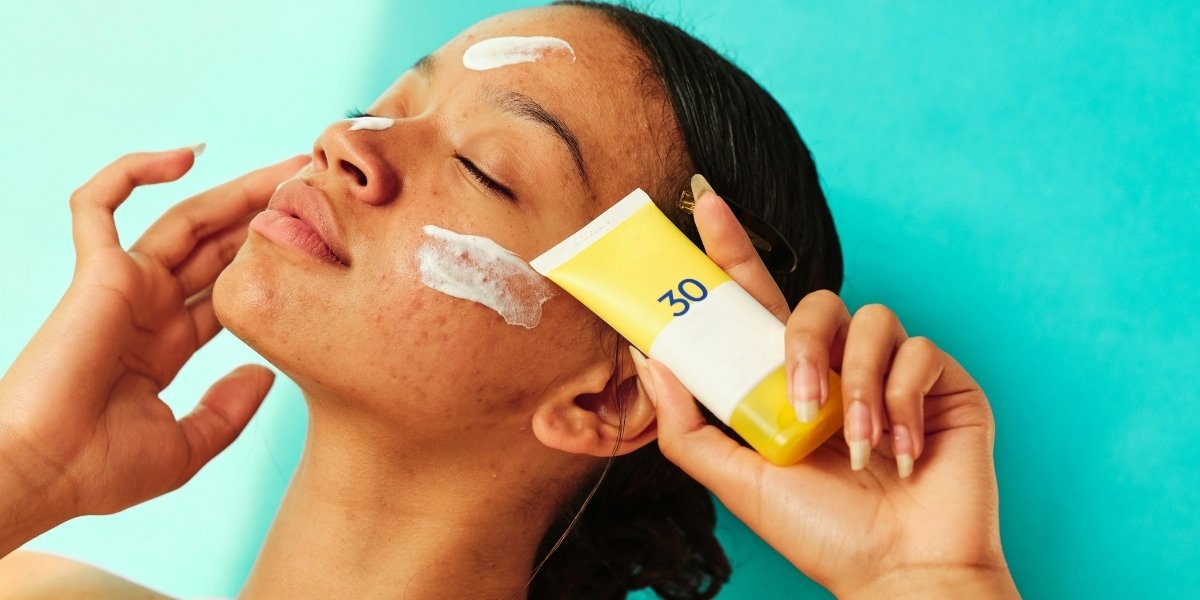
Sunscreens for Summer: Expert Picks 2025

As summer approaches, one essential item that should never be overlooked is sunscreen. With the increasing awareness of skin protection, selecting the right sunscreen has never been more important. But with so many options available, how do you choose the right one? In 2025, sunscreens are not just about SPF; they’re packed with innovative ingredients, environmentally conscious formulas, and multi-functional benefits. In this article, we’ll explore expert picks for the best sunscreens for summer 2025.

Read Also: How Beauty Pageants Reflect Society’s Evolving Ideals

What Are the Key Factors to Look for in a Sunscreen in 2025?

Selecting the best sunscreen in 2025 requires more than just checking the SPF level. Experts recommend considering several key factors when making your choice:

1. Broad-Spectrum Protection

Look for sunscreens that offer broad-spectrum protection, meaning they shield against both UVA and UVB rays. UVA rays penetrate the skin deeper and contribute to premature aging and skin cancer, while UVB rays are responsible for sunburns. A sunscreen that protects against both is essential for complete skin protection.

2. SPF Level

The SPF (sun protection factor) is a key indicator of how well a sunscreen can protect you from UVB rays. For daily wear, experts recommend using a sunscreen with SPF 30 or higher. If you plan to be outside for extended periods, especially during peak sunlight hours, SPF 50 or higher is a safer choice.

3. Water Resistance

For those planning to swim, exercise, or sweat under the summer sun, a water-resistant sunscreen is a must. It ensures that your skin remains protected even when exposed to water or sweat. However, no sunscreen is completely waterproof, so it’s important to reapply every two hours or after swimming.

4. Ingredients

The best sunscreens today are formulated with skin-loving ingredients that go beyond just UV protection. Look for options containing antioxidants like vitamin C and E, which help protect the skin from free radical damage. Additionally, many expert picks for 2025 include hydrating ingredients such as hyaluronic acid, aloe vera, or glycerin to keep skin moisturized and refreshed.

Top Sunscreens for Summer 2025: Expert Picks

As we approach summer 2025, dermatologists and skincare experts have recommended a range of sunscreens that combine high protection, effective ingredients, and skin-friendly formulations. Here are some of the top picks for this summer:

1. EltaMD UV Clear Broad-Spectrum SPF 46

A favorite among dermatologists, EltaMD UV Clear is known for its lightweight feel and powerful protection. This sunscreen is perfect for sensitive skin, as it’s formulated with niacinamide, an anti-inflammatory ingredient that helps reduce redness and irritation. Its high SPF 46 provides excellent protection against both UVA and UVB rays, making it a top choice for daily use.

2. La Roche-Posay Anthelios Melt-in Sunscreen Milk SPF 60

For those looking for a sunscreen that’s both high-performing and comfortable, La Roche-Posay Anthelios stands out. Its SPF 60 offers superior protection from harmful UV rays, while the melt-in formula ensures that it absorbs quickly into the skin without leaving a greasy residue. Enriched with antioxidants and glycerin, it provides hydration while keeping your skin protected.

3. Supergoop! Unseen Sunscreen SPF 40

Supergoop! Unseen Sunscreen is known for its invisible formula that goes on clear, making it ideal for all skin tones. This sunscreen offers broad-spectrum protection and contains clean, plant-based ingredients, making it a popular choice among eco-conscious consumers. It’s perfect for everyday wear, whether under makeup or alone.

4. Neutrogena Hydro Boost Water Gel Lotion SPF 50

For those who prefer a more affordable yet effective option, Neutrogena Hydro Boost Water Gel Lotion SPF 50 delivers excellent protection while keeping the skin hydrated. Its gel-based formula feels lightweight and refreshing, and it’s formulated with hyaluronic acid, which helps lock in moisture throughout the day.

5. Aveeno Positively Mineral Sensitive Skin Sunscreen SPF 50

For those with sensitive skin, Aveeno Positively Mineral sunscreen is an expert pick that uses mineral-based filters instead of chemical ones. It provides broad-spectrum protection with SPF 50, and the formula is enriched with oat extract, which is known for its soothing and anti-inflammatory properties. This sunscreen is also water-resistant, making it ideal for beach days or outdoor activities.

How Often Should You Reapply Sunscreen?

Experts recommend reapplying sunscreen at least every two hours, or more frequently if you’ve been swimming, sweating, or wiping your face with a towel. Even if your sunscreen is labeled as water-resistant, reapplication is essential to maintain full protection.

Additionally, it’s important to apply sunscreen generously and cover all exposed skin, including areas like the ears, back of the neck, and feet, which are often overlooked.

Read Also: How Inner Beauty Transforms Outer Radiance

Sunscreens You Can Trust for Summer 2025

With the right sunscreen, you can enjoy the summer months while keeping your skin protected from the harmful effects of UV radiation. Whether you have sensitive skin, prefer a mineral-based formula, or want a sunscreen that also hydrates, there are plenty of expert picks available to meet your needs. Make sure to choose a sunscreen that offers broad-spectrum protection, fits your skin type, and aligns with your lifestyle for optimal sun safety.


Embracing Nature’s Beauty: A Journey Through Earth’s Wonders

What Makes Earth’s Natural Landscapes So Captivating?

Earth’s landscapes are full of beauty that never fails to captivate those who experience them. From dense forests where sunlight filters through the canopy, casting a golden glow on the forest floor, to vast deserts stretching endlessly, every natural landscape tells a unique story. The ever-changing scenery, with its variety of textures and colors, offers a sense of peace and awe.

Take, for instance, the majestic presence of towering mountains. Their snow-capped peaks rise above the surrounding land, offering a sense of permanence and strength. Mount Everest, the highest point on Earth, commands respect not only for its height but also for the challenges it poses to those who attempt to summit it. The rugged terrain contrasts sharply with the calm lakes nestled in valleys, creating a stunning balance between tranquility and power.

Read Also: How to Choose the Right Bait for Every Fishing Season

The natural world is an artist, constantly painting vibrant scenes that encourage us to pause, reflect, and appreciate the beauty around us. Every corner of our planet offers a different kind of awe, from the blue depths of the oceans to the green expanses of the jungles.

How Do Ecosystems Showcase Earth’s Intricate Beauty?

Ecosystems are the heart of Earth’s wonders, supporting diverse life forms that coexist in complex and delicate balance. From the lush rainforests of the Amazon to the barren yet vibrant deserts, each ecosystem is a masterpiece of evolution. Rainforests, with their dense foliage and diverse species, exemplify life in abundance. Towering trees, thick vines, and colorful wildlife come together to form a thriving ecosystem.

The balance within these ecosystems is delicate; even the smallest change can have a ripple effect. Coral reefs, known as the “rainforests of the sea,” are another striking example. These underwater ecosystems are home to an incredible variety of marine life, from tiny plankton to large predators like sharks. Coral reefs are not just beautiful—they play an essential role in the global environment by supporting biodiversity, protecting coastlines, and contributing to carbon cycles.

By understanding ecosystems, we come to appreciate the complexity and interdependence of life on Earth, realizing how every component, no matter how small, contributes to the larger picture of natural beauty.

What Role Does Flora Play in Earth’s Aesthetic?

The vibrant colors of blooming flora are one of nature’s most striking features. The sheer variety of plant life around the globe is not only a visual delight but also a vital part of Earth’s ecosystems. Whether it’s the golden fields of wildflowers or the delicate petals of a cherry blossom, plants add a level of color and life that is unique to each season.

Spring brings the blossoming of new life, as flowers like tulips, daffodils, and cherry blossoms burst into color, signaling renewal. Meanwhile, autumn offers a display of fiery reds, oranges, and yellows as trees shed their leaves in preparation for winter. The rhythmic patterns of these changes remind us of the cyclical nature of life, connecting us to the Earth’s eternal rhythms.

Beyond their aesthetic beauty, plants are essential for life. They provide oxygen, stabilize ecosystems, and serve as food and shelter for countless species. The beauty of flora is not just in its visual appeal but in its integral role in maintaining the balance of life on Earth.

How Do Water Bodies Reflect Nature’s Serenity and Power?

Water bodies like lakes, rivers, and oceans embody both the serenity and power of nature. From tranquil lakes that mirror the sky above to oceans that stretch to the horizon, water has an undeniable presence on Earth. The reflective stillness of a pristine lake, with its glass-like surface, provides a sense of peace and harmony, often found in isolated mountain valleys or forested landscapes. These serene bodies of water offer a place for quiet reflection and connection with nature’s purity.

In contrast, the ocean is a force of nature that commands awe with its vastness and power. The rhythmic sound of waves crashing against rugged coastlines or the sight of a storm brewing over the sea reminds us of nature’s raw energy. Oceans are home to some of the most diverse ecosystems on Earth, teeming with life both near the surface and in the deep. The contrast between the calmness of lakes and the power of oceans underscores the diverse personalities of water bodies and their role in maintaining Earth’s balance.

What Is the Impact of Wildlife in Earth’s Natural Wonder?

Wildlife, from the smallest insects to the largest land mammals, adds a dynamic element to Earth’s natural beauty. The variety of life forms on our planet, each adapted to its unique environment, enhances the complexity of ecosystems and brings life to every corner of the Earth.

Take the majestic elephant, roaming the savannahs of Africa, or the colorful parrot perched high in the trees of the Amazon. These animals, and many others, add to the vibrancy of the planet’s biodiversity. The migration of monarch butterflies across North America and the annual gatherings of wildebeest in the Serengeti are just a few examples of the intricate patterns of movement that make Earth’s wildlife fascinating.

Wildlife also serves as a symbol of Earth’s resilience. Despite environmental pressures and human impact, many species continue to thrive, reminding us of the planet’s enduring ability to adapt. Protecting wildlife is not just about conserving beauty; it’s about preserving the balance of nature that sustains all life.

How Does Nature Inspire Us to Protect Earth’s Wonders?

Nature’s wonders are not just awe-inspiring; they are a reminder of the importance of preservation. As we witness the sheer beauty of landscapes, wildlife, and ecosystems, we are reminded of the intrinsic value of the natural world. Yet, these wonders are under threat from human activity, climate change, and deforestation. The destruction of habitats, pollution of water bodies, and the loss of biodiversity threaten the delicate balance that makes Earth’s ecosystems so extraordinary.

However, nature also inspires hope. From the rise of eco-tourism to increased environmental awareness, many individuals and organizations are committed to protecting Earth’s wonders. By fostering a sense of connection with nature, we are motivated to protect the landscapes and species that define the beauty of our planet.

Read Also: Why Combining Hobbies Can Unlock New Creative Opportunities

Embracing Earth’s Beauty and Our Role in Its Preservation

As we explore the many facets of Earth’s wonders, from its towering mountains to its vibrant wildlife, we gain a deeper appreciation for the natural world. The beauty of nature isn’t just in what we see—it’s in the life it supports, the rhythms it follows, and the lessons it offers. Each natural wonder, from forests to oceans, serves as a reminder of the Earth’s incredible complexity and the urgent need to protect it. Through connection, awareness, and action, we can ensure that these awe-inspiring wonders continue to flourish for generations to come.

How Beauty Pageants Reflect Society’s Evolving Ideals

What Are the Historical Roots of Beauty Pageants?

The tradition of beauty pageants has deep historical roots, tracing back to ancient civilizations where beauty contests were often used as symbols of power, fertility, and status. In modern times, beauty pageants emerged as formal competitions in the late 19th and early 20th centuries, becoming an essential cultural institution in many countries. These contests began as ways to showcase feminine ideals, and over the years, they evolved to include talent segments, interviews, and community service elements, transforming into the global events they are today.

Read Also: Essential Knowledge Before Hiring a Personal Injury Lawyer

The first major beauty pageant, Miss America, debuted in 1921, becoming a significant milestone in the history of pageants. Its influence spread worldwide, prompting the creation of international competitions such as Miss Universe and Miss World, both of which showcase not just beauty but personality, intelligence, and social contribution. The history of these pageants reveals how they have been intertwined with broader societal changes, from women’s rights movements to shifts in global media.

How Is the Beauty Pageant Competition Structured?

Beauty pageants are often structured around local preliminaries that lead up to national and international stages. Contestants compete in a series of categories designed to test different aspects of their public persona. Typically, these include swimsuit or evening wear segments, where physical appearance is evaluated; talent performances, which highlight skills such as singing, dancing, or speaking; and interviews, where contestants are assessed on their communication abilities, intelligence, and personal values.

The judging criteria can vary from competition to competition, but there are consistent themes across most pageants. Physical appearance continues to be a dominant factor in many pageants, particularly in the early rounds, though more modern contests have shifted toward evaluating overall poise, charisma, and contributions to society. Contestants often face months of preparation, including physical training, makeup tutorials, and interview coaching, to ensure they are ready for the demanding nature of the competition. This rigorous preparation speaks to the level of commitment required to succeed on these stages, which are often televised to a global audience.

What Role Do Beauty Pageants Play in Shaping Cultural Ideals?

Beauty pageants have long been a reflection of societal ideals of beauty and femininity. For decades, they have showcased a standardized image of physical attractiveness, often featuring contestants who conform to Western ideals of slimness, height, and symmetrical facial features. These standards, however, are not universal and are often shaped by the cultural values and beauty norms of the host country.

In countries like the United States, beauty pageants have been closely linked to ideals of femininity, where grace, charm, and physical allure are highly valued. However, in other parts of the world, pageants have taken on additional meanings, reflecting local cultural preferences and the evolution of beauty standards. For example, in some Asian countries, beauty pageants celebrate not only physical appearance but also traditional values and the ability to represent national pride.

The cultural significance of beauty pageants can also be seen in their role in shaping national identity. For many countries, having a Miss Universe or Miss World titleholder is a source of national pride and prestige, demonstrating to the world the country’s beauty, grace, and capability. In these contexts, pageants are not just beauty contests; they are platforms for representing a nation on the global stage.

How Are Beauty Pageants Evolving with Inclusivity and Changing Beauty Standards?

Over the past few decades, beauty pageants have faced increasing scrutiny and criticism for promoting narrow beauty standards. Traditionally, many pageants were critiqued for their emphasis on a singular image of beauty, which often excluded women of different body types, ethnicities, and backgrounds. This led to growing calls for greater inclusivity and diversity within the pageant world.

In response, some beauty pageants have evolved to reflect a broader range of beauty standards. For example, contests such as Miss America and Miss Universe have introduced new categories and criteria that embrace diversity in all its forms. In 2018, Miss Universe introduced the first transgender contestant, and other pageants have followed suit, increasing acceptance of women of all backgrounds. Additionally, some pageants have also shifted their focus to include talent and character as central judging criteria, emphasizing a more holistic view of what it means to be a “winner.”

Despite these shifts, there remains controversy around the continued objectification of women in many beauty pageants. Critics argue that even modern pageants, which claim to emphasize empowerment and diversity, still prioritize physical appearance over other qualities. The challenge for the pageant world, therefore, lies in balancing these evolving ideals of inclusivity and empowerment while continuing to remain relevant in a changing society.

What Are the Controversies Surrounding Beauty Pageants?

Beauty pageants are not without their controversies. Historically, these events have faced criticism for their emphasis on physical appearance and the objectification of women. The portrayal of contestants as “perfect” or “ideal” can perpetuate harmful stereotypes and unrealistic beauty standards, especially in societies already struggling with issues of body image and self-esteem. This has prompted discussions about the role of pageants in reinforcing harmful ideals.

Additionally, beauty pageants are sometimes criticized for perpetuating gender stereotypes, particularly in the way they judge femininity. The traditional focus on swimsuit rounds and evening wear often reinforces the idea that women’s value is largely based on their looks. Feminists and social activists have long challenged these formats, advocating for pageants to evolve into more empowering and inclusive spaces for women of all types.

However, the global popularity of these events also demonstrates their widespread appeal. Many see beauty pageants as empowering opportunities for women to showcase not only their beauty but their intelligence, personality, and values. The evolution of these competitions, including changes in judging criteria and the embrace of diversity, reflects broader societal shifts toward gender equality and cultural acceptance.

Read Also: Exploring the Emerging World of Nail Polish and Design for Men

The Future of Beauty Pageants in Society

The world of beauty pageants is complex and multifaceted, shaped by historical traditions, cultural significance, and ongoing controversies. As pageants continue to evolve, they must find ways to balance tradition with inclusivity, ensuring they remain relevant and reflective of contemporary societal values. Beauty pageants offer both opportunities for personal growth and a platform for societal critique, serving as a mirror to how ideals of beauty, femininity, and national identity continue to shift in a globalized world.

While challenges remain, particularly regarding the objectification of women and the need for greater inclusivity, the future of beauty pageants lies in their ability to adapt to changing norms. As cultural values continue to evolve, beauty pageants have the potential to become more inclusive, empowering, and reflective of the diverse and multifaceted world we live in.

Harnessing Nature’s Power: The World of Plant-Based Beauty

Exploring the World of Plant-Based Beauty Products

The beauty industry has seen a significant shift in recent years, with an increasing number of consumers seeking products that are derived from nature. Plant-based beauty products are at the forefront of this movement, offering skincare, haircare, and makeup solutions made from botanical ingredients. These products emphasize the use of fruits, vegetables, herbs, flowers, seeds, and roots, which have long been revered for their healing and nourishing properties. As more people prioritize sustainability, health, and wellness, plant-based beauty products have gained immense popularity. This article explores the principles, benefits, and trends surrounding this eco-conscious approach to beauty.

Read Also: Debunking and Understanding “The Most Important Meal of the Day”: The Science and Nuance of Breakfast

The Power of Botanicals: Nature’s Beauty Ingredients

Plant-derived ingredients are the cornerstone of plant-based beauty products, offering a wealth of benefits for skin and hair. Unlike synthetic ingredients, botanicals contain a complex array of nutrients such as vitamins, antioxidants, fatty acids, and minerals that can deeply nourish and restore the skin and hair.

Hydration and Moisture

Many plant-based ingredients are particularly well known for their ability to hydrate and lock in moisture. Aloe vera, for example, is often used in skincare products for its soothing and moisturizing properties. Similarly, shea butter, derived from the nuts of the shea tree, is prized for its rich, emollient texture that helps to maintain skin hydration while providing a protective barrier against environmental stressors.

Antioxidants for Skin Health

Botanical oils and extracts are also packed with antioxidants, which help to combat free radicals that accelerate the aging process and damage skin cells. Green tea extract, grape seed oil, and pomegranate oil are examples of antioxidant-rich ingredients that protect against skin damage while promoting a youthful glow. These plant-based ingredients help to repair skin, reduce signs of aging, and boost the skin’s natural defenses.

Nourishing Vitamins and Fatty Acids

Plants offer a range of vitamins that are crucial for healthy skin and hair. Vitamin C from citrus fruits or rosehip oil brightens the complexion and fights pigmentation, while vitamin E from sunflower oil acts as a powerful moisturizer and anti-inflammatory agent. Additionally, omega fatty acids from plant oils like argan oil and coconut oil are excellent for nourishing hair and helping to maintain a healthy scalp.

Clean and Conscious Formulations: The Free-From Movement

One of the most significant aspects of plant-based beauty products is their emphasis on clean formulations. Clean beauty refers to products that are free from synthetic chemicals, parabens, sulfates, and artificial fragrances, which can be harmful to both skin health and the environment. The “free-from” movement is rooted in the belief that beauty products should be safe, effective, and ethical.

Plant-based beauty products often avoid the use of animal-derived ingredients, such as lanolin or keratin, which are traditionally used in skincare and haircare. Instead, companies use plant-based alternatives that are not only more sustainable but also gentler on the skin. This shift toward ingredient transparency means that consumers can trust what’s in the products they’re using, knowing that the ingredients come from safe, natural sources.

Sustainability and Ethical Sourcing: A Green Approach to Beauty

As environmental concerns continue to rise, many plant-based beauty brands are focusing on sustainability and ethical sourcing of their ingredients. Plant-based beauty products often prioritize ingredients that are harvested from sustainable farms, ensuring minimal harm to the environment. Ethical sourcing also means fair wages for workers and the protection of biodiversity.

Eco-Friendly Packaging

Packaging is another area where plant-based beauty brands stand out. Many companies are adopting eco-friendly packaging practices, such as using recyclable, biodegradable, or reusable materials. This commitment to sustainability reduces the beauty industry’s overall environmental footprint and promotes a more circular economy.

Reducing Carbon Footprint

Sustainable practices also extend to the cultivation of the plants used in beauty products. Brands that invest in sustainable farming practices use methods that conserve water, reduce pesticide use, and promote soil health, which all contribute to lowering the overall carbon footprint of their products.

The Benefits for Different Skin and Hair Types

One of the greatest advantages of plant-based beauty products is their versatility. They cater to a wide range of skin and hair types, from sensitive to oily, dry, or acne-prone. The gentleness of botanical ingredients makes them ideal for people with sensitive skin or those prone to irritation and allergies.

Sensitive Skin

For those with sensitive skin, plant-based ingredients like chamomile and calendula are particularly beneficial due to their calming and anti-inflammatory properties. These extracts soothe the skin, reducing redness and irritation while enhancing the skin’s natural barrier function.

Oily and Acne-Prone Skin

Tea tree oil, witch hazel, and rosehip oil are commonly used in formulations for acne-prone skin due to their antibacterial and anti-inflammatory properties. These ingredients help to reduce breakouts, balance oil production, and promote clearer skin.

Dry and Mature Skin

For those with dry or mature skin, plant oils such as jojoba oil, argan oil, and avocado oil are excellent choices. They are rich in fatty acids that restore moisture, improve skin elasticity, and protect against signs of aging. These ingredients nourish and hydrate deeply, leaving skin feeling smooth and rejuvenated.

The Rise of Natural and Organic Certifications

As consumers become more conscious of the ingredients in their beauty products, natural and organic certifications have become an important mark of authenticity. Certifications such as USDA Organic, COSMOS, and Ecocert provide transparency and assurance that plant-based beauty products meet rigorous standards for sustainability, ingredient sourcing, and formulation.

These certifications help consumers make informed choices by ensuring that the products they buy are truly natural and organic, rather than just marketed as such. They also emphasize the importance of reducing environmental impact and supporting fair labor practices.

DIY and Homemade Plant-Based Beauty: A Hands-On Approach

In addition to purchasing ready-made plant-based beauty products, many consumers are embracing the trend of DIY beauty remedies using natural plant-based ingredients. This allows individuals to customize their beauty routines according to their skin type and specific concerns.

Common DIY plant-based ingredients include honey, avocado, coconut oil, and aloe vera—all of which are easy to source and can be used to create hydrating masks, exfoliating scrubs, and nourishing serums. Homemade plant-based beauty products empower people to take control of their skincare routines while enjoying the therapeutic process of mixing and applying natural ingredients.

Read Also: Prague’s December Magic: Holiday Guide

The Future of Plant-Based Beauty Innovation

The plant-based beauty industry is continuously evolving, with new innovations emerging to meet the demands of consumers. Personalized formulations, advanced extraction methods, and new botanical discoveries are some of the exciting trends shaping the future of the industry.

As scientific research continues to uncover the potential of lesser-known plants and herbs, more botanical extracts will likely be integrated into beauty products. Green technology advancements in extraction and formulation will allow brands to enhance the potency and sustainability of plant-based ingredients, further advancing the efficacy and appeal of these products.

The rise of plant-based beauty products represents a shift toward a more natural, sustainable, and conscious approach to self-care. With their ability to nourish, protect, and restore the skin and hair, these products are not only good for personal health but also for the environment. As consumers become more discerning and informed, plant-based beauty products will continue to thrive, offering effective, eco-friendly alternatives to traditional beauty solutions.

Unlocking Radiant Skin: The Science of Beauty Serums

Unlocking Radiant Skin: Exploring the Science and Efficacy of Beauty Serums

Beauty serums have swiftly become a staple in skincare routines, praised for their powerful formulations and ability to target specific skin concerns. As the demand for more specialized and effective skincare products rises, serums are recognized for their ability to deliver potent ingredients deep into the skin. In this article, we’ll explore the science behind beauty serums, break down their key ingredients, discuss their benefits, and provide guidance on incorporating them into your skincare regimen for radiant, healthy skin.

Read Also: Why Combining Hobbies Can Unlock New Creative Opportunities

What Makes Beauty Serums Unique in Skincare?

Serums stand out in the skincare world due to their high concentration of active ingredients, making them a more effective treatment compared to moisturizers or toners. Unlike moisturizers, which typically focus on providing hydration and barrier protection, beauty serums are designed to penetrate deeper into the skin, addressing specific skin concerns at a cellular level. Their lightweight, fast-absorbing texture allows them to deliver targeted benefits more efficiently, which is why they are often considered the powerhouse product in a skincare routine.

Serums come in a variety of formulations, each designed to tackle different skin issues. Whether you’re dealing with dry skin, acne, fine lines, or uneven skin tone, there’s likely a serum specifically tailored to address your needs. The high concentration of active ingredients allows serums to deliver results faster than other products, making them a valuable addition to your skincare routine.

Key Active Ingredients in Beauty Serums and Their Benefits

Beauty serums often feature a variety of powerful ingredients, each with its own unique set of benefits. Some of the most common ingredients in serums include antioxidants, hydrating agents, peptides, retinoids, and plant extracts. Here’s a closer look at some of these key ingredients and how they work:

Antioxidants: Vitamin C, Vitamin E, and Ferulic Acid

Antioxidants are essential in combating the damage caused by free radicals—unstable molecules that can lead to premature aging, pigmentation, and fine lines. Vitamin C is one of the most popular antioxidants, known for its ability to brighten the skin and reduce the appearance of dark spots and hyperpigmentation. Vitamin E works in tandem with Vitamin C to enhance skin’s protective barrier while promoting skin repair. Ferulic acid, often used in combination with Vitamin C and E, enhances the stability and efficacy of these vitamins, boosting their skin-repairing powers.

Hydrating Agents: Hyaluronic Acid and Glycerin

Hydration is key to achieving plump, smooth, and youthful skin, and hyaluronic acid is one of the most effective humectants used in beauty serums. It has the ability to draw moisture from the environment into the skin, keeping it hydrated and soft. Glycerin, another common hydrating agent, works similarly by attracting moisture and preventing water loss. These ingredients are particularly beneficial for individuals with dry skin or those experiencing dehydration.

Peptides: The Building Blocks of Healthy Skin

Peptides are short chains of amino acids that play a crucial role in supporting skin’s natural structure. They stimulate the production of collagen and elastin, which are vital proteins that maintain skin’s firmness and elasticity. Serums containing peptides are often used to address signs of aging, such as wrinkles and fine lines, by boosting skin’s ability to repair and regenerate itself.

Retinoids: Powerful Anti-Aging Agents

Retinoids, a derivative of Vitamin A, are one of the most effective ingredients for promoting skin renewal and reducing the appearance of fine lines and wrinkles. Retinoids work by speeding up cell turnover, helping to shed dead skin cells and reveal fresh, youthful skin underneath. They also promote collagen production, making them an essential ingredient in anti-aging serums. However, retinoids can sometimes cause irritation, so they should be used with care and in accordance with your skin’s tolerance.

Plant Extracts: Nature’s Skin Healers

Many beauty serums also incorporate plant-based extracts known for their soothing, healing, and anti-inflammatory properties. Ingredients such as green tea extract, chamomile, and aloe vera help calm and nourish the skin, making them ideal for sensitive or irritated skin types. These natural ingredients provide additional benefits like improving skin texture and enhancing overall skin health.

How Do Beauty Serums Target Specific Skin Concerns?

Different beauty serums are formulated to address specific skin concerns, from aging and hyperpigmentation to acne and dehydration. Below is an overview of how serums target these common skincare needs:

Anti-Aging: Reducing Wrinkles and Fine Lines

Anti-aging serums are formulated to combat the visible signs of aging by stimulating collagen production, promoting cell turnover, and protecting the skin from environmental damage. Serums with peptides, retinoids, and antioxidants like Vitamin C are particularly effective in addressing fine lines, wrinkles, and loss of elasticity.

Brightening: Even Skin Tone and Radiance

For those looking to reduce dark spots, hyperpigmentation, or an uneven skin tone, brightening serums often contain ingredients like Vitamin C, niacinamide, and alpha arbutin. These ingredients work by inhibiting melanin production, thereby fading dark spots and promoting a more radiant complexion.

Hydrating: Boosting Moisture Levels

Serums designed for hydration typically feature hyaluronic acid, glycerin, and other moisture-retaining ingredients. These hydrating serums help replenish the skin’s moisture levels, making them especially beneficial for individuals with dry or dehydrated skin. They lock in moisture and prevent water loss, leaving the skin looking plump and dewy.

Clarifying: Treating Acne and Blemishes

Clarifying serums often contain ingredients like salicylic acid, benzoyl peroxide, and tea tree oil, which help unclog pores and reduce inflammation. These serums are ideal for individuals with acne-prone or blemished skin, as they target the root causes of breakouts and promote clearer, smoother skin.

The Science Behind Serum Efficacy

The efficacy of beauty serums is supported by scientific research that highlights the effectiveness of active ingredients in improving skin health. Studies show that ingredients like Vitamin C and hyaluronic acid can penetrate deeply into the skin and promote cell regeneration, hydration, and collagen production. Additionally, peptides and retinoids have been proven to reduce the appearance of fine lines and wrinkles by boosting skin’s elasticity and stimulating collagen synthesis.

The key to serum efficacy lies in the ability of these ingredients to reach the deeper layers of the skin. Unlike moisturizers, which mainly hydrate the surface of the skin, serums deliver active ingredients directly into the dermis, where they can have the most significant impact on skin health.

How to Integrate Serums into Your Skincare Routine

To get the most out of your beauty serums, it’s important to integrate them properly into your daily skincare routine. Start by cleansing your skin to remove dirt, oil, and makeup. After cleansing, apply a toner (if you use one) to balance your skin’s pH levels. Follow with a few drops of your chosen serum, gently massaging it into your skin. Finish with a moisturizer to lock in the serum’s benefits and provide additional hydration.

Remember to use serums according to their specific instructions. For example, some serums, particularly those with retinoids, should be used at night, while others, like those with Vitamin C, are often better used in the morning for added protection against free radicals.

Choosing the Right Serum for Your Skin Type

When selecting a beauty serum, it’s essential to choose one that suits your skin type and addresses your specific skincare concerns. Those with oily skin may prefer lightweight, oil-free formulas, while those with dry skin should look for serums with hydrating ingredients like hyaluronic acid. Sensitive skin types should opt for gentle formulations that contain soothing ingredients like aloe vera or chamomile.

Pay attention to ingredient lists and avoid products that contain potential irritants, especially if you have sensitive skin or conditions like rosacea. Patch testing new products before full application is always a good idea to avoid adverse reactions.

Read Also: Thriving in Difficult Times: Resilience Tips for Overcoming Challenges

The Future of Serum Innovation

The future of beauty serums looks promising, with innovations in personalized skincare and advanced delivery systems on the horizon. New technologies are making it easier to create customized serums that cater to an individual’s unique skin needs. Additionally, emerging ingredients such as stem cells and microbiome-friendly formulations are gaining popularity, offering even more potent and targeted skincare solutions.

As the skincare industry continues to evolve, beauty serums will likely play an increasingly important role in achieving healthy, glowing skin, backed by science and cutting-edge technology.

A Comprehensive Guide to Eyebrow Tattooing and Microblading

Eyebrow tattooing has revolutionized the beauty industry, providing a semi-permanent solution for perfectly shaped and defined eyebrows. This transformative procedure has become increasingly popular for individuals seeking to enhance their appearance without the need for daily makeup application. Whether through microblading, microshading, or a combination of both, eyebrow tattooing offers a variety of techniques to suit different preferences and needs. This article explores the methods, benefits, risks, and psychological impacts of eyebrow tattooing, offering a comprehensive guide for those considering or interested in the procedure.

Read Also: How to Choose the Right Bait for Every Fishing Season

Techniques and Methods

Eyebrow tattooing includes several techniques that can create natural-looking, long-lasting results. Among the most popular methods are microblading, microshading, and combination brows.

Microblading

Microblading is the technique most associated with eyebrow tattooing, as it involves creating fine, hair-like strokes with a specialized tool. The technician uses a hand-held device to deposit pigment into the skin, mimicking the natural appearance of individual eyebrow hairs. This method is perfect for those seeking a more defined, yet natural, look and is often used for individuals with sparse or thinning eyebrows.

Microshading

Microshading, on the other hand, is a technique that creates a powdered, ombré effect, which is ideal for those who prefer a fuller, more defined brow without the hair-like strokes. This method is achieved using a small, machine-driven device to apply the pigment in soft, shaded layers, giving the appearance of makeup-filled brows. Microshading works particularly well for individuals with oily skin or those seeking a more dramatic brow.

Combination Brows

As the name suggests, combination brows are a blend of both microblading and microshading. This method combines hair-like strokes with a powdered effect to create a fuller and more dimensional brow. Combination brows are perfect for people who want the best of both worlds—natural-looking hairs with a more defined shape.

Benefits and Advantages

Eyebrow tattooing offers several advantages that make it an appealing option for those seeking more permanent brow solutions.

Time-Saving

One of the most significant benefits of eyebrow tattooing is the time it saves on daily makeup application. With eyebrow tattooing, individuals no longer need to fill in their brows each morning, allowing for a quicker and more convenient routine.

Natural-Looking Results

When performed correctly, eyebrow tattooing can result in brows that look natural and flattering. The fine strokes created by microblading and the soft shading of microshading allow the technician to mimic the natural texture and shape of the eyebrows, enhancing the overall appearance of the face.

Enhanced Facial Symmetry

Eyebrow tattooing can also help enhance facial symmetry by balancing the shape and position of the eyebrows. For individuals with uneven or sparse eyebrows, eyebrow tattooing can provide a solution for creating a more harmonious facial appearance.

Boost in Self-Confidence

Perhaps one of the most profound advantages of eyebrow tattooing is the boost it provides to an individual’s self-esteem. For those who have struggled with eyebrow-related insecurities, whether from over-plucking, alopecia, or natural thinning, eyebrow tattooing offers a way to restore confidence and improve overall body image.

Risks and Considerations

Although eyebrow tattooing offers numerous benefits, it is essential to consider the potential risks and complications associated with the procedure.

Allergic Reactions

Some individuals may experience allergic reactions to the pigments used in the tattooing process. It is important to undergo an allergy patch test before the procedure to ensure the pigments used are safe for your skin.

Infections

As with any cosmetic procedure, there is a risk of infection. Choosing a reputable and experienced technician who follows proper sanitation protocols can significantly reduce the likelihood of infections during and after the procedure.

Scarring and Pigment Migration

In rare cases, scarring or pigment migration can occur, leading to uneven or blotchy results. To minimize these risks, it is essential to follow proper aftercare instructions and select a highly skilled technician with a good reputation in the field.

The Art of Brow Design

Creating the perfect brow shape is not just about applying pigment; it is about understanding the individual’s unique facial features. Brow design requires an artistic approach, as it involves shaping the eyebrows to complement the natural structure of the face.

Brow Mapping and Consultation

Before starting the procedure, a thorough consultation and brow mapping process takes place. This allows the technician to assess the client’s preferences and face shape while ensuring the brows will be symmetrical and flattering. Customization is key in achieving the best results, and color matching is an essential part of the design process.

The Healing Process and Longevity

The healing process for eyebrow tattooing is crucial for achieving the best possible outcome. Initially, the tattooed brows will appear darker and more defined, but over time, they will lighten and settle into a more natural look.

Shedding and Fading

As the skin heals, the tattooed area may experience shedding, which is a normal part of the healing process. During this time, the pigment may fade, which is why touch-up appointments are typically necessary to ensure the color remains vibrant and the shape is maintained.

Longevity of Eyebrow Tattoos

The longevity of eyebrow tattoos varies depending on several factors, including skin type, lifestyle, and sun exposure. On average, eyebrow tattoos last between 1 to 3 years before requiring a touch-up. Proper aftercare and protecting the brows from excessive sun exposure can help prolong the lifespan of the tattoo.

Read Also: Creating a Morning Routine for a Productive and Positive Day

Psychological Impact and Self-Esteem

Eyebrow tattooing has a significant psychological impact, especially for individuals who have faced challenges related to their eyebrows, such as thinning, scarring, or other cosmetic insecurities. Achieving a desired brow shape can enhance self-esteem, improve body image, and boost overall confidence.

Eyebrow tattooing, including microblading and microshading, has transformed the beauty industry by providing a semi-permanent solution for individuals seeking well-defined, natural-looking brows. While the procedure offers numerous benefits, such as saving time, enhancing facial symmetry, and boosting self-confidence, it is essential to consider the potential risks and choose a qualified technician. With proper care, eyebrow tattoos can enhance not only appearance but also overall well-being, helping individuals feel more confident in their own skin.

Green Beauty: Embracing Eco-Friendly Practices for a Sustainable Routine

Choose Sustainable Packaging:

In a world where taking care of our planet is more crucial than ever, extending our commitment to eco-friendly choices even to our beauty routines can make a positive impact. Let’s explore some simple and down-to-earth tips for incorporating sustainable practices into your beauty regimen without the need for complex terminology.

Opt for products with packaging that’s kind to the environment. Look for options with recyclable or biodegradable materials. It’s like giving a little love to Mother Earth while pampering yourself.

Consider products that come in refillable containers. It’s an easy way to cut down on waste and reduce the need for constant repurchasing. Plus, it’s like a budget-friendly and eco-friendly two-in-one deal.

DIY Beauty Recipes:

Get creative in your kitchen and whip up some homemade beauty treatments. Using simple, natural ingredients like honey, yogurt, or coconut oil is like a kitchen spa day that’s kind to your skin and the planet.

Be conscious of your water consumption while washing your face or hair. Turning off the tap when not needed is a small step that adds up to water conservation – good for both your wallet and the environment.

Look for Cruelty-Free Labels:

Choose products that proudly display the cruelty-free label. It means the product wasn’t tested on animals. Supporting such brands is like voting for a world where beauty doesn’t come at the expense of innocent lives.

Simplify your routine with multipurpose products. Items that can serve multiple functions mean less packaging and fewer products overall. It’s like streamlining your beauty routine while being a friend to the planet.

Seek out products with simple, natural ingredients. It’s like going back to basics – choosing items with ingredients you can pronounce and understand. Mother Nature has a lot to offer for your beauty needs.

Consider using tools that are biodegradable, like wooden combs or brushes. When it’s time to replace them, they won’t contribute to the never-ending cycle of plastic waste.

Sustainable Salon Choices:

If you frequent salons, inquire about their sustainability practices. Some salons focus on using eco-friendly products and minimizing waste. It’s like supporting businesses that share your commitment to a greener world.

Embrace a minimalist approach to your beauty routine. Having fewer products means less clutter and less environmental impact. It’s like decluttering not just your space but your ecological footprint too.

Stay informed about the brands you support. Understand their commitment to sustainability and ethical practices. Being an informed consumer is like holding the compass to guide your beauty choices in an eco-friendly direction.

Upcycling Beauty Containers:

Before tossing empty containers, consider if they can be upcycled. Reusing containers for storage or crafts is like giving them a second life and reducing the need for additional purchases.

Adopting eco-friendly practices in your beauty routine doesn’t have to be complicated or expensive. Small, mindful choices can contribute to a more sustainable and greener lifestyle. By incorporating these simple tips into your daily routine, you’re not just caring for yourself but also showing love and care for the planet we all call home. It’s a beautiful way to enhance your beauty while leaving a positive mark on the environment.

Nurturing Your Skin Through Every Stage of Life

Timeless Beauty: A Skincare Journey for All Ages

In the journey of life, our skin goes through different phases, and each stage deserves some special care. Whether you’re in your twenties or enjoying your golden years, here’s an easy guide to skincare that keeps your natural beauty shining through.

1. Twenties: The Foundation Phase

In your twenties, your skin is like a canvas waiting to be painted. It’s the foundation phase where prevention is key.

Simple Steps:

  • Sunscreen Daily: Protect your skin from the sun’s rays to prevent damage.
  • Hydrate: Drink water to keep your skin hydrated and fresh.
  • Gentle Cleansing: Cleanse to remove dirt without stripping natural oils.

2. Thirties: Nourishing and Preparing

As you enter your thirties, it’s time to nourish your skin and prepare it for the years ahead.

Easy Tips:

  • Antioxidant Boost: Include antioxidants in your routine to fight free radicals.
  • Eye Cream: Consider an eye cream for early signs of aging.
  • Moisturize: Keep your skin moisturized to maintain elasticity.

3. Forties: Addressing Changing Needs

In your forties, your skin might show signs of aging. It’s about addressing those changes with care.

Everyday Practices:

  • Retinol Usage: Consider retinol for fine lines and wrinkles.
  • Regular Exfoliation: Gently exfoliate to remove dead skin cells.
  • Hydration Emphasis: Focus on hydrating products for plumpness.

4. Fifties and Beyond: Embracing Radiance

As you embrace your fifties and beyond, radiance becomes the goal. It’s about celebrating the beauty of every age.

Simple Routines:

  • Moisturize Thoroughly: Opt for richer moisturizers for added hydration.
  • Serum Inclusion: Use serums for targeted concerns like age spots.
  • Sun Protection Continues: Keep up with sun protection; it’s timeless.

General Tips for Every Age:

1. Healthy Lifestyle: A good skincare routine works hand in hand with a healthy lifestyle. Eating well, staying active, and managing stress contribute to radiant skin.

2. Regular Check-ins: Pay attention to changes in your skin. If you notice something unusual, consult with a dermatologist.

3. Adequate Sleep: Beauty sleep is real. Aim for a good night’s rest to let your skin rejuvenate.

4. Hydration Matters: Drink enough water throughout the day. Hydrated skin is happy skin.

5. Tailor to Your Needs: There’s no one-size-fits-all. Customize your skincare routine based on your skin’s unique needs and quirks.

Skincare is not about defying age; it’s about embracing and enhancing your natural beauty at every stage of life. With these simple and down-to-earth tips, you can nurture your skin, allowing it to glow with timeless radiance. Remember, your skin tells a story, and each chapter is beautiful in its own way. So, let your skincare routine be a celebration of the wonderful journey your skin takes with you.

Exploring the Evolution of Gourmand Perfumes

The world of gourmand fragrances is undergoing a fascinating transformation. Traditionally known for their sweet, dessert-like profiles, these scents are now evolving to include unexpected, sophisticated edible notes like popcorn, roasted nuts, and even savory elements. This reinvention is captivating fragrance enthusiasts who crave something bold and unique, proving that gourmand perfumes are no longer confined to sugary simplicity.

What Makes Gourmand Fragrances So Irresistible?

At the heart of gourmand fragrances is their ability to evoke emotions and memories. Perfume creators blend edible notes such as vanilla, caramel, and chocolate to craft scents reminiscent of comfort foods and indulgent desserts. These elements appeal not only to the senses but also to a sense of nostalgia, creating an emotional connection between the wearer and the fragrance.

What sets this category apart is its versatility. Gourmand perfumes can be intensely sweet or strikingly complex, depending on the composition. Recent innovations are introducing savory and earthy tones like roasted nuts and buttered popcorn, offering an intriguing contrast to the traditional sugary profiles. This balance of flavors creates fragrances that are wearable in a variety of settings, from casual outings to upscale events.

Experts in the industry suggest that the growing popularity of these perfumes lies in their relatability. Unlike abstract or highly floral scents, gourmand notes tap into universal experiences—food, indulgence, and comfort—making them accessible to a wider audience.

Why Are Sophisticated Edible Notes the New Trend in Fragrance?

In recent years, fragrance houses have been pushing boundaries, incorporating unusual edible notes to redefine gourmand perfumes. Popcorn, for example, has become a surprising favorite, lending a nutty and slightly salty aroma that pairs beautifully with sweeter accords. These bold choices are designed to intrigue and challenge traditional notions of perfumery.

Roasted nuts, such as almonds and hazelnuts, add depth and warmth to fragrances. When combined with elements like dark chocolate or creamy vanilla, they create a luxurious, layered scent profile. These unexpected combinations appeal to consumers who are looking for something distinctive and memorable.

The rise of these sophisticated gourmand scents is also attributed to the growing demand for individuality in the fragrance market. Perfume enthusiasts are moving away from mass-market options, seeking out niche creations that reflect their unique personalities. By blending familiar gourmand ingredients with adventurous twists, brands are catering to this desire for exclusivity.

These evolving gourmand fragrances align with a broader trend of embracing authenticity and craftsmanship. Artisanal perfumers are experimenting with small-batch creations, using high-quality ingredients to craft perfumes that stand out. This approach not only appeals to connoisseurs but also highlights the artistry involved in modern perfumery.

How Can You Choose the Perfect Gourmand Fragrance?

Finding the right gourmand fragrance begins with understanding your personal preferences. Are you drawn to rich, dessert-like scents, or do you prefer more balanced compositions with savory or nutty notes? Exploring these nuances can help you identify a perfume that resonates with your taste.

For those who enjoy sweeter fragrances, classics like vanilla-based gourmands remain a timeless choice. These perfumes often include additional layers of caramel, praline, or tonka bean, creating a creamy and comforting scent.

If you’re intrigued by the newer, sophisticated gourmand creations, look for perfumes that feature unique ingredients like popcorn or roasted coffee. These scents often include smoky or earthy undertones, offering a bold yet wearable profile that’s perfect for making a statement.

Sampling is essential when choosing any perfume, but especially for gourmand fragrances, as their complexity can vary widely. Many boutique fragrance houses offer discovery sets, allowing you to try multiple options before committing to a full bottle. Pay attention to how the scent evolves over time on your skin, as gourmands often have a rich dry-down that reveals their true character.

Consider the season and occasion. Heavier gourmands with rich, sweet profiles are ideal for cooler months or evening wear, while lighter versions with fruity or nutty notes can be enjoyed year-round.

The Future of Gourmand Fragrances

As gourmand fragrances continue to evolve, they are poised to remain a major force in the perfume industry. The inclusion of sophisticated and unexpected edible notes reflects a broader trend of innovation, as perfumers challenge conventions and expand the boundaries of what a scent can be. These creations offer something for everyone—whether you crave sweet indulgence or bold complexity.

This transformation not only highlights the artistry of modern perfumery but also underscores the emotional power of scent. Gourmand fragrances have a unique ability to evoke memories, comfort the soul, and delight the senses. As more people seek out personalized, artisanal creations, this category is set to redefine luxury and individuality in the world of fragrance.

Oral Hygiene Tips: Brushing, Flossing & More Explained

Maintaining oral hygiene is crucial for overall health, yet it’s often overlooked. Good oral hygiene not only keeps your teeth and gums healthy, but it also plays a significant role in your overall well-being. From brushing and flossing to regular visits to the dentist, taking care of your mouth is a key part of a healthy lifestyle. In this article, we’ll explore the importance of oral hygiene, how to effectively brush and floss, and the other essential habits that contribute to a bright, healthy smile.

Read Also: Understanding TMJ Disorder and How to Treat It Effectively

Why Is Oral Hygiene So Important?

Oral hygiene is more than just about keeping your teeth clean. It helps prevent a range of dental issues, such as cavities, gum disease, and bad breath. Poor oral hygiene can also lead to more serious health problems, including heart disease, diabetes, and respiratory infections. Bacteria in your mouth can enter your bloodstream and affect other parts of your body, making it crucial to keep your mouth clean.

The mouth is home to many bacteria, both good and bad. Good oral hygiene ensures that harmful bacteria are kept in check, preventing them from causing infections. Consistently practicing good habits like brushing, flossing, and using mouthwash reduces the buildup of plaque, a sticky film that forms on your teeth and gums. If plaque isn’t removed, it can harden into tartar, leading to gum disease and other dental complications.

How to Brush Your Teeth Properly

Brushing is the first and most important step in maintaining oral hygiene. However, not everyone knows the best way to brush their teeth to achieve optimal results. Here’s a simple guide to help you brush your teeth effectively:

  • Use a soft-bristled toothbrush: Hard bristles can damage your gums and enamel, so always choose a soft-bristled brush. Electric toothbrushes can also be a great choice for efficient cleaning.

  • Use fluoride toothpaste: Fluoride helps strengthen tooth enamel and prevent decay, so always opt for toothpaste that contains fluoride.

  • Brush for two minutes: Make sure you brush for at least two minutes, covering all areas of your teeth, including the fronts, backs, and chewing surfaces.

  • Brush at a 45-degree angle: Place your toothbrush at a 45-degree angle to your gums and use gentle, circular motions to clean each tooth.

  • Don’t forget your tongue: Your tongue harbors bacteria, so gently brush it to remove any buildup.

Brushing twice a day—once in the morning and once before bed—is essential for effective oral hygiene. If you can, brushing after meals is even better, as it helps prevent food particles from lingering in your mouth.

Flossing: The Essential Step in Oral Hygiene

While brushing is crucial, flossing is just as important for maintaining good oral hygiene. Flossing removes food particles and plaque from between your teeth and along the gum line, areas that your toothbrush might miss. Without flossing, bacteria can accumulate in these hard-to-reach places, leading to tooth decay and gum disease.

Here’s how to floss effectively:

  • Use a long piece of floss: About 18 inches of floss should be enough for your whole mouth. Wind the ends around your fingers, leaving a couple of inches between them.

  • Be gentle: Slide the floss gently between your teeth. Avoid snapping the floss into your gums, as this can cause injury.

  • Curved motion: Curve the floss around the base of each tooth, moving it up and down to clean the sides. Make sure to floss both sides of each tooth.

  • Don’t skip the back teeth: It’s easy to forget the back molars, but they are just as important. Be sure to floss all areas of your mouth.

Flossing once a day is recommended to keep your teeth and gums healthy. Many people choose to floss before brushing, while others do it after brushing—either way, flossing should become a daily habit.

Mouthwash and Its Role in Oral Hygiene

Mouthwash can be a helpful addition to your oral hygiene routine. It helps freshen breath, reduce plaque, and fight bacteria. However, it’s important to use mouthwash that is effective in controlling bacteria and not just for freshening your breath.

There are two main types of mouthwash to consider:

  • Cosmetic mouthwash: This type of mouthwash only masks bad breath without offering antibacterial benefits. It’s often used for a quick fresh feeling but does not contribute to long-term oral health.

  • Therapeutic mouthwash: These mouthwashes contain active ingredients that fight bacteria and reduce plaque. They can help with issues like gingivitis and can be a great supplement to brushing and flossing.

When choosing a mouthwash, look for one that contains fluoride or antibacterial agents like chlorhexidine. Mouthwash should be used in conjunction with brushing and flossing, not as a replacement.

Diet and Its Impact on Oral Hygiene

Your diet plays an important role in your oral hygiene. The foods you eat can either support or harm your oral health. A diet high in sugary foods and drinks increases the risk of cavities, as bacteria in your mouth feed on sugar and produce acid that wears away tooth enamel.

To protect your teeth, try to:

  • Limit sugary foods: Avoid candy, soda, and other sugary snacks that contribute to plaque buildup and tooth decay.

  • Eat tooth-friendly foods: Foods rich in calcium, like dairy products, help strengthen your teeth. Crunchy vegetables, like carrots and celery, can also help clean your teeth naturally.

  • Drink plenty of water: Water helps rinse away food particles and bacteria from your mouth. Drinking water after meals can be a great way to help keep your mouth clean.

Visiting the Dentist Regularly

Regular dental checkups are essential for maintaining good oral hygiene. Your dentist can identify any potential issues early, such as cavities, gum disease, or oral cancer. Professional cleanings every six months are recommended to remove plaque and tartar that brushing and flossing can’t reach.

During your visit, your dentist will also provide personalized advice on how to improve your oral hygiene routine and may recommend treatments such as fluoride applications or sealants to help protect your teeth.

Read Also: Maintaining Health and Independence in Older Age

A Healthy Smile Starts with Good Oral Hygiene

Good oral hygiene is essential for a lifetime of healthy teeth and gums. By brushing and flossing regularly, using mouthwash when necessary, eating a balanced diet, and visiting your dentist regularly, you can significantly reduce the risk of dental problems and maintain a bright, confident smile.

The key to maintaining oral health is consistency. Make oral hygiene a priority in your daily routine, and your smile will thank you for it.