Thrive Monthly

Essential Nail Care Tips for Clean Hands and Feet

Nail Care: Keeping Hands and Feet Clean

Taking care of your nails is an essential part of maintaining overall hygiene and health. Our hands and feet are exposed to dirt, bacteria, and the elements daily, making it crucial to keep our nails clean and well-maintained. Nail care isn’t just about aesthetics—it’s about preventing infections, promoting healthy nail growth, and ensuring that our hands and feet remain in good condition. In this article, we’ll explore effective nail care tips for keeping your hands and feet clean, focusing on hygiene, maintenance, and healthy practices.

Read Also: How Russian Manicures Are Redefining Nail Care

Why Is Nail Care Important for Hygiene?

Nail care plays a vital role in personal hygiene. Our nails can easily accumulate dirt, bacteria, and other harmful microorganisms, which can lead to infections or even cause damage to the surrounding skin if not cleaned regularly. Dirty nails can harbor bacteria that might spread to other parts of the body, leading to illnesses. Proper nail care helps reduce the risk of such infections, keeping both your nails and skin healthy.

Regular cleaning and trimming of nails are essential to prevent the buildup of dirt underneath them. Additionally, it’s important to keep nails dry, as moisture can create an ideal environment for bacteria and fungi to thrive. Inadequate nail care can result in painful conditions such as ingrown nails or fungal infections, which can be avoided with proper maintenance.

How to Maintain Clean Hands and Feet?

Maintaining clean nails involves more than just washing your hands or feet. A consistent routine of cleaning, trimming, and moisturizing can go a long way in ensuring the overall health of your nails. Here are a few essential steps to maintain clean nails:

  • Regular Washing: Wash your hands and feet frequently with soap and water to remove dirt and bacteria. Pay special attention to the nails, as dirt tends to accumulate underneath them. Use a soft brush or nail scrub to clean underneath your nails gently. This will help prevent the buildup of harmful bacteria.

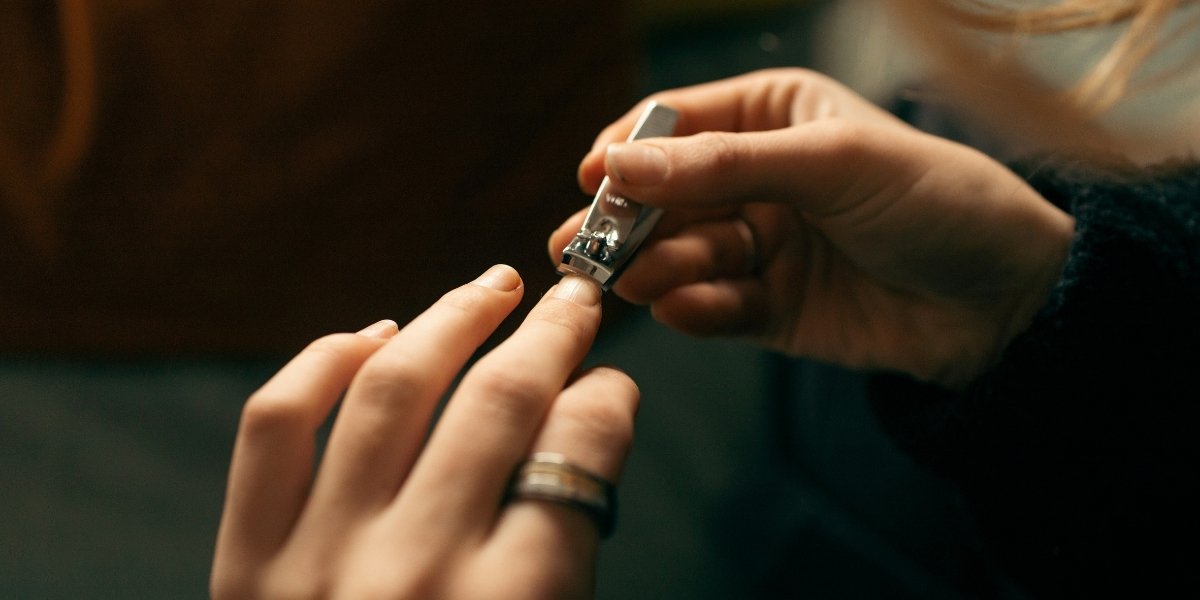
  • Proper Nail Trimming: Trim your nails regularly to prevent them from becoming too long and prone to dirt buildup. Cutting nails to a manageable length not only makes them easier to maintain but also reduces the risk of ingrown nails or breakage. Use a clean, sharp nail clipper for the best results.

  • Moisturizing: After washing and trimming your nails, apply a moisturizer to keep the skin around the nails soft and hydrated. This is particularly important for your feet, which are more prone to dryness and cracking due to the friction inside shoes. Choose a moisturizing lotion or oil designed specifically for hands and feet.

What Are the Best Practices for Foot Nail Care?

Foot care is just as important as hand care, especially when it comes to nails. Feet often suffer from more wear and tear due to prolonged exposure to shoes, sweat, and the environment. Here are a few tips for keeping your toenails clean and healthy:

  • Soak Your Feet: Occasionally soaking your feet in warm water with Epsom salt can help cleanse your nails and soften the skin around them. This makes it easier to remove dead skin and any dirt buildup from underneath the nails.

  • Dry Your Feet Thoroughly: After washing or soaking your feet, make sure to dry them completely, especially between the toes. Moisture can lead to fungal infections, so keeping your feet dry is essential for preventing foot-related issues.

  • Use Antifungal Powder: If you notice your feet becoming sweaty or prone to fungus, applying an antifungal powder can help keep the nails clean and free from infection. This is particularly important if you frequently wear shoes that trap moisture, such as athletic footwear.

  • Pay Attention to Nail Color: Healthy toenails should be pinkish in color. If you notice any discoloration, such as yellowing or dark spots, it could be a sign of a fungal infection or other underlying issues. Early detection of these changes can help you address the problem before it worsens.

How to Care for Hand Nails?

Caring for hand nails is equally important as foot care. Our hands are in constant use, and the nails are often subjected to physical stress from typing, cleaning, or other activities. Proper care can keep them looking clean and prevent issues such as hangnails or cracked nails.

  • Avoid Biting Your Nails: Nail-biting is a common habit that can lead to poor nail health. Biting nails can cause them to break or become damaged, and it can also introduce bacteria from your hands into your mouth, increasing the risk of infections. Instead, keep nails trimmed and moisturized to avoid the temptation.

  • Protect Your Nails: If you’re doing household chores or working with harsh chemicals, it’s important to wear gloves to protect your nails. Cleaning products and chemicals can damage the nails, making them weak and brittle. Protective gloves will help prevent this damage.

  • Use Nail Strengtheners: If your nails are prone to chipping or breaking, consider using a nail strengthener. These products can help improve the health of your nails, making them stronger and more resilient to everyday wear and tear.

What Are Some Common Nail Care Mistakes to Avoid?

While maintaining clean nails is crucial, there are some common mistakes people often make in their nail care routines. Avoiding these mistakes can ensure better nail health:

  • Using Dirty Tools: Nail clippers, scissors, and other tools should be cleaned regularly to prevent the spread of bacteria and infection. Always sanitize your nail care tools after use, and avoid sharing them with others.

  • Overcutting Cuticles: While it’s important to keep cuticles neat, overcutting them can lead to infection and irritation. Gently push back cuticles using a cuticle stick, but avoid cutting them entirely.

  • Skipping Nail Care Routines: Nail care should be consistent. Neglecting your nails can lead to issues such as painful hangnails, fungal infections, or brittle nails. Make nail care a regular part of your hygiene routine to maintain clean and healthy nails.

Read Also: Oral Hygiene Tips: Brushing, Flossing & More Explained

Nail Care is Essential for Hygiene and Health

Caring for your nails is an essential part of maintaining overall hygiene and health. Clean hands and feet contribute not only to your physical appearance but also to your overall well-being. By following proper nail care practices such as regular cleaning, trimming, and moisturizing, you can ensure that your nails stay in optimal condition. Whether you’re caring for your fingernails or toenails, consistency is key to preventing infections and promoting healthy nail growth.

How to Redefine Beauty Beyond Societal Expectations

What Defines True Beauty?

Beauty is a concept that transcends mere physical appearance. It is an essence that emanates from within and radiates through a person’s character, actions, and emotional connection with others. True beauty is often described as kindness, authenticity, confidence, and the ability to inspire and uplift those around us. Unlike superficial standards, true beauty reflects the richness of inner qualities and the impact one has on the world.

While societal beauty standards tend to focus heavily on external traits, such as facial symmetry, body shape, and skin tone, true beauty goes beyond these limited criteria. It embraces the uniqueness of each individual and celebrates the diverse ways in which people express themselves. True beauty is about the harmony between the inner self and how one presents themselves to the world.

Read Also: Why Does Sleep Well Matter More Than Ever?

How Have Societal Beauty Standards Evolved?

Societal beauty standards have changed dramatically over the centuries, shaped by culture, media, and historical trends. In ancient civilizations, beauty was often linked to wealth and social status, with symbols like gold jewelry and fine clothing representing beauty and prosperity. However, the ideal body type and appearance have always varied, influenced by everything from political regimes to technological advancements in media.

In modern times, the influence of the media, fashion industries, and social media platforms has significantly heightened the focus on specific beauty standards. This has often resulted in a narrow definition of beauty, characterized by flawless skin, slim figures, and European features. The rise of digital manipulation and photo editing has further complicated the understanding of beauty, creating unrealistic expectations that many people strive to meet.

Despite these narrow ideals, there has been a growing movement in recent years toward embracing body positivity and inclusivity. The shift away from one-size-fits-all beauty standards is encouraging more people to accept their natural features and love themselves for who they are, not just how they look.

Why Are Societal Beauty Standards Harmful?

While beauty standards can serve as a source of inspiration for many, they can also have damaging effects. The pressure to meet these standards can lead to anxiety, low self-esteem, and body image issues. People often feel that they must look a certain way to be loved, successful, or accepted in society, which can create a sense of inadequacy.

For instance, young people, especially women, are frequently exposed to media portrayals of “perfect” beauty. As a result, they may feel that their natural appearance is not enough, leading to an increase in cosmetic procedures, dieting, and other unhealthy practices. This desire to conform to an often unattainable ideal can result in mental and physical health issues, ranging from eating disorders to depression.

Furthermore, societal beauty standards tend to exclude certain groups, such as those with disabilities, different body types, or non-Eurocentric features. This creates a toxic environment that marginalizes individuals who do not fit the conventional mold, reinforcing discrimination and bias.

How Can We Reframe Beauty Beyond Societal Standards?

The conversation around beauty is evolving, and there is an increasing movement to redefine it in a more inclusive and holistic way. One key step is to focus on the diversity of human experiences and appearances. Beauty should no longer be confined to a set of external traits; it must encompass different body types, skin tones, and personal expressions. This broader definition celebrates what makes each individual unique, rather than forcing them to fit into predefined categories.

Self-acceptance is another crucial element in reframing beauty. When people are encouraged to love themselves as they are—embracing their flaws and imperfections—they can break free from the confines of societal expectations. Many influential figures in the fashion, beauty, and entertainment industries are using their platforms to challenge traditional beauty standards, promoting body positivity and inclusivity.

By shifting the narrative around beauty, we can help people understand that true beauty is not something to attain, but something to embrace in its many forms. This mindset change can encourage healthier relationships with our bodies, a greater sense of self-worth, and a deeper appreciation for the differences that make us all beautiful in our own ways.

What Role Does Media Play in Shaping Beauty Perceptions?

Media has always been a powerful force in shaping how beauty is perceived, and today, it plays an even more central role. From films and magazines to social media platforms like Instagram and TikTok, the portrayal of beauty is everywhere. However, the content that gains popularity often conforms to traditional beauty standards, highlighting a limited range of looks.

The widespread use of filters and photo editing apps has created a world where beauty is frequently enhanced and manipulated. While these tools may be fun and empowering for some, they can also distort reality, leading to a skewed perception of what true beauty looks like. This digital distortion can affect the self-esteem of individuals who compare their unfiltered selves to these perfected images.

Yet, there is also a growing push for authenticity in media. Many influencers, celebrities, and activists are championing a more natural and inclusive portrayal of beauty. They’re highlighting the importance of embracing one’s natural features and rejecting the pressure to conform to unrealistic ideals. This shift is fostering a more diverse representation of beauty, encouraging people to see beauty in all its forms.

Read Also: Clean Beauty Revolution for Sustainability

How Can We Embrace a Holistic Approach to Beauty?

A holistic approach to beauty involves recognizing the interconnectedness of mind, body, and spirit. True beauty comes from cultivating a sense of self-love, engaging in healthy habits, and nurturing a positive mindset. It’s about feeling good in your own skin and taking care of your mental and physical well-being.

One way to embrace this holistic approach is by practicing self-care, whether through mindfulness, exercise, nutrition, or creative expression. When people feel healthy and balanced, they radiate a natural beauty that comes from within. Additionally, building supportive communities where individuals uplift each other, regardless of their appearance, can help break down the barriers created by rigid beauty standards.

By embracing a more holistic perspective, we can move away from viewing beauty solely as an external trait and recognize it as a deeper, more personal experience. True beauty is something that transcends appearances, living in the way we treat ourselves and others.

How Inner Beauty Transforms Outer Radiance

How Does Inner Beauty Contribute to Outer Glow?

Beauty has always been a concept beyond skin deep. While many people focus on external appearance, true beauty emanates from within. Cultivating beauty on the inside not only enhances one’s mental and emotional health but also contributes to a more radiant outward glow. This connection between inner and outer beauty is crucial in today’s fast-paced world, where self-care and mindfulness are becoming increasingly important.

When we nurture our inner well-being, we experience increased confidence, self-acceptance, and a sense of peace that naturally reflects on our outward appearance. True beauty comes from a combination of self-love, positive emotions, and a healthy lifestyle. In turn, these elements contribute to a glowing, radiant presence that can positively impact both our physical appearance and the way we interact with others.

Read Also: How to Build a Hair Care Routine for Healthy, Beautiful Hair

What Practices Can Help Cultivate Inner Beauty?

Cultivating beauty from the inside involves a combination of mindfulness, self-care, and mental well-being practices. One essential component of this process is self-compassion. When people practice self-compassion, they begin to appreciate themselves fully, without judgment. This shift in mindset can significantly improve one’s self-esteem, which is often visible in their behavior and appearance.

Another important practice is gratitude. Acknowledging the positive aspects of life and practicing daily gratitude can help foster a sense of peace and contentment. Studies show that individuals who regularly express gratitude are more likely to feel happier and more fulfilled. These positive emotions are reflected in one’s posture, facial expressions, and overall aura.

Additionally, mindfulness and meditation can promote emotional balance. By taking a moment each day to relax and clear the mind, individuals can reduce stress, enhance focus, and foster emotional clarity. This sense of peace and emotional stability creates a natural radiance that others can notice.

How Does Physical Health Impact Inner and Outer Beauty?

Physical health plays an essential role in enhancing both inner and outer beauty. Eating a balanced diet, exercising regularly, and ensuring adequate rest are vital practices for maintaining a healthy body, which directly influences how one feels and looks. When individuals take care of their physical health, they often experience increased energy levels, better skin, and an overall sense of vitality.

Nutrition is a key component of physical health. Consuming nutrient-rich foods, such as fruits, vegetables, whole grains, and lean proteins, can improve skin tone, reduce inflammation, and provide a youthful glow. Staying hydrated is also important, as water helps to flush out toxins and keeps the skin looking radiant.

Exercise is another important factor in cultivating beauty. Physical activity not only improves cardiovascular health but also releases endorphins, which are hormones that promote feelings of happiness and well-being. This “natural high” contributes to a sense of confidence and joy that is visible to others.

How Does Mental and Emotional Well-being Influence Beauty?

Mental and emotional well-being are closely tied to physical appearance. When people are mentally healthy, they tend to have better sleep patterns, lower stress levels, and an overall positive outlook. This balance fosters physical signs of beauty, such as clear skin, glowing eyes, and a posture that exudes confidence.

Reducing stress is one of the most important aspects of mental health. Chronic stress can have a detrimental impact on the skin, leading to issues such as acne, dullness, or premature aging. By engaging in stress-reducing practices like yoga, deep breathing, or time in nature, individuals can improve both their inner and outer well-being.

Building emotional resilience is also vital for long-term beauty. Emotional resilience allows individuals to navigate life’s challenges without becoming overwhelmed. It strengthens the ability to cope with setbacks and maintain a positive mindset, which directly influences the appearance of a person. Individuals who practice emotional resilience are often seen as more approachable and calm, further contributing to their glowing presence.

What Role Does Self-Care Play in Enhancing Beauty?

Self-care is an essential practice for maintaining both inner peace and outer beauty. When people prioritize self-care, they signal to themselves and others that their well-being matters. Regular self-care routines—whether it’s taking time for a relaxing bath, engaging in a favorite hobby, or simply practicing good skincare—help to foster a sense of relaxation, well-being, and personal pride.

Engaging in self-care allows individuals to reconnect with themselves and build a strong sense of self-love. It can also help to reduce anxiety, boost energy, and improve overall mood, all of which contribute to a more radiant and beautiful appearance.

Additionally, the act of caring for oneself promotes the mindset that beauty is not about perfection but about feeling comfortable and confident in one’s own skin. This sense of self-acceptance and contentment is incredibly powerful and often leads to an unmistakable outer glow.

How Does a Positive Mindset Foster Beauty?

A positive mindset is one of the most powerful tools in cultivating beauty. Positive thinking involves embracing an optimistic perspective, focusing on solutions rather than problems, and maintaining hope despite challenges. This mental shift can have profound effects on both inner peace and outward appearance.

People who maintain a positive mindset are often seen as more approachable, confident, and vibrant. Their faces typically reflect their internal joy and contentment, giving them a natural, glowing radiance. Furthermore, a positive attitude can help individuals overcome obstacles, maintain a balanced life, and enhance their relationships with others, contributing to a deeper sense of overall well-being.

Read Also: Surging Demand for Men’s Beauty Products

How Can You Cultivate a Holistic Approach to Beauty?

True beauty is a combination of physical, emotional, and mental well-being. By cultivating inner beauty through practices like self-compassion, gratitude, mindfulness, and emotional resilience, individuals can naturally enhance their outward glow. A healthy lifestyle, including proper nutrition, exercise, and stress management, also plays a significant role in supporting both inner and outer beauty.

Self-care and maintaining a positive mindset further contribute to an individual’s radiance. By focusing on a holistic approach to beauty, anyone can unlock their full potential, feeling and looking their best at any age. Inner peace, confidence, and self-love are all key ingredients in this transformative process, leading to a beautiful life both inside and out.

Vintage Swimwear Revival: Retro Stage Brings Back Classic Styles

Vintage Swimwear Revival: Rediscovering Timeless Styles in Modern Swimwear

Swimwear has always been a reflection of the times, evolving through various eras in response to changing fashion, societal norms, and technological advances in fabric and design. One of the most exciting trends in recent years is the revival of vintage swimwear. This resurgence embraces the unique styles of past decades, with a modern twist, blending nostalgia with contemporary flair. Retro Stage, a brand renowned for its commitment to vintage aesthetics, has taken this trend to new heights by expanding its collection with updated designs inspired by transformative periods in swimwear history. This article delves into the reasons behind the swimwear revival, the styles making a comeback, and how Retro Stage is breathing new life into these timeless designs.

Read Also: Eat Healthy Without Breaking the Bank: Budget-Friendly Meals

Why Is Vintage Swimwear Making a Comeback?

In the world of fashion, trends are cyclical, and swimwear is no exception. What was once seen as outdated or old-fashioned is now considered stylish and chic. The resurgence of vintage swimwear can be attributed to a few key factors:

First, there’s a growing appreciation for sustainability and timeless fashion. Vintage swimwear, often made from durable materials, is seen as a more sustainable choice compared to fast fashion. As consumers become more eco-conscious, they seek pieces that will last, not just one season.

Second, vintage swimwear evokes a sense of nostalgia. Iconic figures like Marilyn Monroe, Sophia Loren, and Bardot were often photographed in classic swimsuits, creating an association between vintage swimwear and the glamour and elegance of bygone eras. These images have been immortalized in popular culture, and people are drawn to the idea of recreating that same sense of timeless beauty.

Finally, the influence of social media and influencers has played a significant role in bringing vintage styles back into the spotlight. Platforms like Instagram are filled with retro-inspired swimwear looks, with people sharing their love for vintage styles. This visibility has given a new generation the opportunity to rediscover these classic designs.

How Retro Stage Is Leading the Swimwear Revival

Retro Stage has carved out a niche in the swimwear market by offering high-quality swimsuits that channel the aesthetics of vintage fashion. The brand’s latest collection showcases a curated selection of swimwear styles inspired by transformative periods in swimwear design. From the bold cuts of the 1920s to the high-waisted designs of the 1940s, Retro Stage has drawn inspiration from the past to create swimwear that is not only stylish but also flattering and comfortable.

What sets Retro Stage apart is its ability to seamlessly blend vintage aesthetics with modern materials and techniques. The brand has updated classic silhouettes with contemporary fabrics that offer better support, durability, and flexibility. This ensures that the swimwear is not only visually appealing but also practical for today’s active lifestyles.

Moreover, Retro Stage is committed to inclusivity, offering a wide range of sizes and fits to cater to all body types. This approach embraces the diversity of modern consumers while staying true to the vintage inspiration that the brand is known for.

The Key Styles Revived by Retro Stage

Retro Stage’s collection includes a variety of retro-inspired designs, each harkening back to a different era in swimwear history. Here are some of the standout styles that are making waves in the brand’s latest offering:

1920s – The Flapper Swimsuit

The 1920s marked a revolutionary period in swimwear design. For the first time, swimsuits were designed to be more functional and less restrictive, allowing for more freedom of movement. The flapper swimsuit, with its loose-fitting, knee-length style, reflects the bold spirit of the Jazz Age. Retro Stage’s modern interpretation of this style features soft, stretchy fabrics that enhance comfort while retaining the relaxed, carefree vibe of the original design.

1940s – High-Waisted Bottoms

During World War II, swimwear became more practical, with the introduction of high-waisted bottoms that provided more coverage. The high-waisted bikini became an iconic symbol of the 1940s, offering a modest yet fashionable alternative to the more revealing swimsuits of earlier decades. Retro Stage has revived this classic design, creating swimwear that highlights the natural waistline and creates a flattering hourglass figure.

1950s – The Classic One-Piece

The 1950s saw the rise of the classic one-piece swimsuit, a design that combined elegance and modesty. It was the decade of iconic stars like Elizabeth Taylor and Grace Kelly, who often wore chic, sophisticated swimsuits in films and on the beach. Retro Stage’s 1950s-inspired one-piece suits feature vintage-inspired details like sweetheart necklines, ruching, and subtle shirring, giving them a modern update while preserving their old-school charm.

1960s – The Mod Bikini

The 1960s ushered in a new wave of swimwear with the advent of the mod bikini. This era was defined by bold patterns, vibrant colors, and youthful designs. Retro Stage embraces the spirit of the 1960s with bikinis that feature playful prints, retro cut-outs, and fun color combinations. The updated version is both flattering and comfortable, designed to capture the essence of the 60s while offering the perfect fit for modern beachgoers.

The Impact of Retro Swimwear on Modern Fashion

The return of vintage swimwear is part of a broader trend of nostalgia-driven fashion. Consumers today are more likely to seek out styles that reflect the past, with many preferring the elegance and charm of vintage designs over more contemporary trends. By incorporating retro styles into modern wardrobes, brands like Retro Stage are helping to revive interest in classic fashion elements while meeting the needs of today’s consumers.

Vintage swimwear also represents a shift in body positivity and inclusivity. Unlike some modern swimsuits, which often emphasize extreme body ideals, retro swimsuits celebrate a more natural and diverse range of body types. The high-waisted designs, ruched fabrics, and full-coverage styles of the past offer a flattering fit for people of all shapes and sizes, allowing individuals to feel confident and comfortable while enjoying their time in the sun.

Read Also: Chronic Disease Management: Strategies for a Healthy Life

The Timeless Appeal of Vintage Swimwear

The revival of vintage swimwear represents more than just a passing trend. It’s a celebration of classic style, sustainability, and inclusivity in fashion. Brands like Retro Stage are helping to bring back the elegance and glamour of bygone eras, while making them relevant to today’s consumers. Whether you’re drawn to the high-waisted designs of the 1940s or the playful mod bikinis of the 1960s, vintage swimwear offers something for everyone. By embracing these timeless styles, we not only pay homage to the past but also create a more inclusive and sustainable future for swimwear fashion.

What Is Bakuchiol Cream and How Does It Work?

Bakuchiol cream is quickly becoming a staple in skincare routines, particularly for those seeking a natural alternative to retinol. Derived from the seeds and leaves of the Psoralea corylifolia plant, bakuchiol has been used for centuries in traditional medicine, but it’s only recently gained attention in the beauty world. This gentle yet effective ingredient offers a range of benefits, particularly in anti-aging and acne treatment, without the irritation often associated with retinol.

So, what exactly is bakuchiol cream, and how does it work? Bakuchiol is a plant-based compound that mimics the effects of retinol, which is widely known for its ability to boost collagen production and accelerate cell turnover. These processes are essential for reducing fine lines, improving skin texture, and treating acne. However, bakuchiol is much gentler on the skin, unlike retinol, which can cause dryness, redness, and irritation. This makes it an excellent option for those with sensitive skin or those who have had adverse reactions to retinol.

When applied as a cream, bakuchiol penetrates the skin and works its magic by promoting cell renewal and collagen production. It helps to diminish the appearance of fine lines and wrinkles, giving the skin a smoother, more youthful look. Additionally, bakuchiol has antioxidant properties, which help protect the skin from environmental stressors like pollution and UV rays, further preventing the signs of aging.

Bakuchiol cream is also highly effective in treating acne. Its anti-inflammatory and antibacterial properties help reduce breakouts and prevent future ones without the harsh effects that some acne treatments can have. For those struggling with acne-prone skin, bakuchiol offers a soothing solution that can clear the skin while also providing anti-aging benefits. This dual action makes bakuchiol cream a versatile addition to any skincare routine.

Why Is Bakuchiol Cream Gaining Popularity in Skincare?

Bakuchiol cream is gaining popularity for several reasons, not least its natural origin. In an era where consumers are increasingly conscious of the ingredients in their skincare products, bakuchiol stands out as a plant-based alternative that delivers impressive results without the drawbacks of synthetic chemicals. This has made it especially appealing to those who prefer clean beauty products and are looking for practical, non-toxic options for their skincare regimen.

Another reason for the surge in bakuchiol’s popularity is its compatibility with various skin types. Retinol, while effective, is notorious for irritating, particularly for those with sensitive skin or conditions like rosacea and eczema. Bakuchiol, on the other hand, is much gentler and less likely to cause these unwanted side effects. This makes it accessible to a broader audience, including those who have previously had to avoid retinol due to its harshness.

The growing body of research supporting bakuchiol’s efficacy has also contributed to its popularity. Studies have shown that bakuchiol is not only effective in reducing the appearance of wrinkles and fine lines but also in improving skin firmness, elasticity, and overall texture. Moreover, its ability to fight acne while being kind to the skin has made it a go-to ingredient for those dealing with both aging and acne concerns simultaneously. As more people share their positive experiences with bakuchiol cream, word of its benefits continues to spread.

Bakuchiol cream’s versatility further adds to its appeal. Unlike retinol, which can increase skin sensitivity to the sun and is often recommended for nighttime use, bakuchiol does not make the skin more vulnerable to UV damage. This means it can be used both day and night, providing continuous care and making it easier to incorporate into existing skincare routines. Additionally, bakuchiol can be combined with other active ingredients, such as hyaluronic acid, vitamin C, and peptides, enhancing its effectiveness and allowing users to tailor their skincare regimen to their specific needs.

Another factor driving its popularity is Bakuchiol’s eco-friendly aspect. Bakuchiol is a naturally derived ingredient that aligns with the growing demand for sustainable beauty products. Consumers are increasingly aware of the environmental impact of their purchases, and bakuchiol’s plant-based origin makes it an attractive option for those looking to reduce their ecological footprint while still achieving their skincare goals.

How Can You Incorporate Bakuchiol Cream Into Your Skincare Routine?

Incorporating bakuchiol cream into your skincare routine is simple and can provide noticeable benefits with regular use. Whether you’re looking to combat the signs of aging, reduce acne, or improve your skin’s overall health, bakuchiol is a versatile ingredient that can be used alongside your favorite products.

To start, you can use bakuchiol cream in place of retinol or alongside other skincare treatments. Since bakuchiol doesn’t cause the same sensitivity as retinol, it can be applied both in the morning and at night. Simply apply the cream after cleansing and toning for daytime use, then follow up with your usual moisturizer and sunscreen. Sunscreen is still essential, even though bakuchiol doesn’t increase sun sensitivity, as protecting your skin from UV damage is crucial for maintaining healthy, youthful skin.

You can apply bakuchiol cream after cleansing and toning and any serums you may use at night. This will allow the bakuchiol to penetrate deeply and work its magic while you sleep. Because it’s gentle on the skin, you don’t have to worry about the irritation that can sometimes occur with retinol, making it a great option for nightly use.

If you’re new to bakuchiol, consider starting with a patch test to ensure your skin reacts well to the ingredients. Although it’s generally well-tolerated, everyone’s skin is different, and it’s always best to test new products on a small area before applying them to your entire face.

For those who use multiple active ingredients in their skincare routine, bakuchiol cream can be easily integrated without causing interactions or overwhelming the skin. It pairs well with hydrating ingredients like hyaluronic acid and brightening agents like vitamin C. This makes it easy to create a comprehensive skincare routine that addresses multiple concerns simultaneously.

Bakuchiol cream is a natural, effective, and gentle alternative to retinol that offers various skin types a wide range of benefits. Whether you’re looking to reduce wrinkles, clear up acne, or simply enhance your skin’s overall appearance, bakuchiol cream is a versatile addition to any skincare routine. Its rising popularity is well-deserved, and incorporating it into your daily regimen could be the key to achieving the healthy, glowing skin you’ve been striving for.

Ethical Fragrances: Cruelty-Free and Vegan Options

Choosing Fragrance with a Conscience: How to Find Ethical, Animal-Friendly Scents

Fragrance has the power to evoke emotions, trigger memories, and define personal identity. However, as more people become aware of the environmental and ethical implications of their purchasing decisions, the fragrance industry is undergoing a shift. Consumers are now more conscious of animal welfare and prefer products that align with their ethical values. This change is driving the demand for cruelty-free and vegan fragrances that do not contribute to animal testing or harm the environment. For fragrance enthusiasts, choosing products that reflect these values is becoming increasingly important. This article explores how the fragrance industry is adapting to these ethical concerns, the rise of cruelty-free and vegan fragrances, and how consumers can make informed choices that align with their values.

What Does “Cruelty-Free” and “Vegan” Mean in the World of Fragrance?

The terms cruelty-free and vegan are becoming increasingly common on fragrance labels, but what do they truly mean? Understanding these labels can help consumers navigate the fragrance world and make more informed purchasing decisions.

Cruelty-Free Fragrances: No Animal Testing

When a fragrance brand claims to be cruelty-free, it means that they do not conduct any form of animal testing on their products or ingredients. This is a critical distinction, as animal testing has been a common practice in the cosmetic and fragrance industries for decades. Animal testing involves applying products or their ingredients to animals to observe potential effects, often causing distress and suffering.

Many brands that claim to be cruelty-free are certified by reputable organizations, such as Leaping Bunny or PETA, which conduct regular audits to ensure companies adhere to their cruelty-free practices. This certification helps ensure that consumers can trust the brands they purchase from.

Vegan Fragrances: No Animal-derived Ingredients

Vegan fragrances take cruelty-free a step further. These products are not only free from animal testing but also exclude any ingredients that are derived from animals. Some fragrances, for example, use beeswax, honey, or ambergris (a substance produced in the digestive system of sperm whales) as part of their composition. Vegan fragrances avoid these animal-derived ingredients, making them suitable for those who want to ensure their purchases do not contribute to animal exploitation in any way.

For consumers seeking vegan-friendly fragrances, it’s important to look for certifications like the Vegan Society logo or check ingredient lists for any animal-based components. As awareness grows, many brands are choosing plant-based alternatives, such as sugarcane or soy, to replicate the desired qualities of animal-derived ingredients.

Why Are More Consumers Choosing Cruelty-Free and Vegan Fragrances?

In recent years, consumer preferences have shifted towards more ethical and sustainable products. This trend is driven by a growing awareness of animal welfare, environmental concerns, and the ethical implications of purchasing products tested on animals or containing animal-derived ingredients.

Rising Awareness of Animal Welfare

The global conversation surrounding animal rights has reached new heights, with movements like #BoycottAnimalTesting encouraging consumers to make more ethical purchasing decisions. This shift is not just limited to food or cosmetics—fragrance is increasingly a part of this conversation. As more people learn about the cruelty involved in animal testing, they are actively seeking out alternatives that reflect their values. For many, choosing cruelty-free and vegan fragrances is an easy and impactful way to align their purchases with their ethical stance on animal welfare.

Eco-conscious Consumers

Alongside concerns about animal welfare, consumers are also increasingly aware of the environmental impact of the products they use. Many cruelty-free and vegan fragrance brands also prioritize sustainability in their production processes. These brands often use natural or organic ingredients and minimize the use of harmful chemicals that can damage the environment. In addition, many eco-conscious fragrance companies opt for recyclable packaging or commit to carbon-neutral practices.

For consumers looking to reduce their environmental footprint, opting for cruelty-free and vegan fragrances often aligns with broader sustainability goals. Ethical fragrances are typically produced by companies that prioritize the health of the planet and its inhabitants, making them a more holistic choice for those who care about both animal welfare and environmental protection.

How Can You Identify Ethical Fragrance Brands?

As the demand for cruelty-free and vegan fragrances grows, so does the number of brands that claim to be ethical. However, not all companies are equally committed to these principles. Some brands may use ethical-sounding language without fully living up to their promises. Here’s how consumers can make sure they’re choosing genuinely ethical products:

Look for Certifications

Certifications from trusted organizations like Leaping Bunny and PETA provide peace of mind that a fragrance brand adheres to cruelty-free practices. These certifications ensure that the products have not been tested on animals at any stage of production.

Check Ingredient Lists

If you’re looking for a vegan fragrance, always check the ingredient list for animal-derived substances. Ingredients like ambergris, civet, and castoreum are animal-based, and their inclusion in a fragrance means the product is not vegan. Many brands now advertise their products as vegan on the label, but it’s always a good idea to double-check.

Research the Brand’s Ethics

Ethical companies often provide transparency about their practices. Look for brands that are open about their sourcing, manufacturing processes, and sustainability efforts. Brands committed to animal welfare and environmental protection are often proud to share their ethical stance, which can be verified through their websites or third-party reviews.

What Are the Benefits of Cruelty-Free and Vegan Fragrances?

The choice to buy cruelty-free and vegan fragrances is about more than just ethical considerations—it also offers several benefits for the consumer:

Healthier Ingredients

Many cruelty-free and vegan fragrances use natural ingredients, which are less likely to contain synthetic chemicals that can irritate the skin or cause allergic reactions. By choosing fragrances made from plant-based ingredients, consumers can avoid harsh chemicals that are often found in non-vegan or non-cruelty-free products.

More Sustainable Practices

Brands that prioritize cruelty-free and vegan principles often take a broader, more sustainable approach to their entire production process. This includes using environmentally friendly ingredients, reducing waste, and creating products that are less harmful to the environment. For eco-conscious consumers, this makes cruelty-free and vegan fragrances a more responsible choice.

Supporting Ethical Business Practices

When you purchase from cruelty-free and vegan fragrance brands, you are supporting companies that align with your values. This can help promote positive changes in the industry and encourage more brands to adopt ethical and sustainable practices.

How the Fragrance Industry is Evolving: The Future of Ethical Choices

The fragrance industry is evolving rapidly to meet consumer demand for more ethical products. As consumer education continues to grow, brands will increasingly focus on transparent sourcing, sustainable production practices, and animal-friendly alternatives. In the future, we may see even more innovative solutions in fragrance creation, from plant-based alternatives to new, eco-friendly packaging materials. With growing consumer awareness, the industry is set to continue its shift towards cruelty-free and vegan products, offering more choices for those who wish to align their purchases with their ethical values.

Lipstick: The Rich History and Impact Behind the Iconic Beauty Product

Lipstick: More Than Makeup – A Cultural, Historical, and Personal Statement

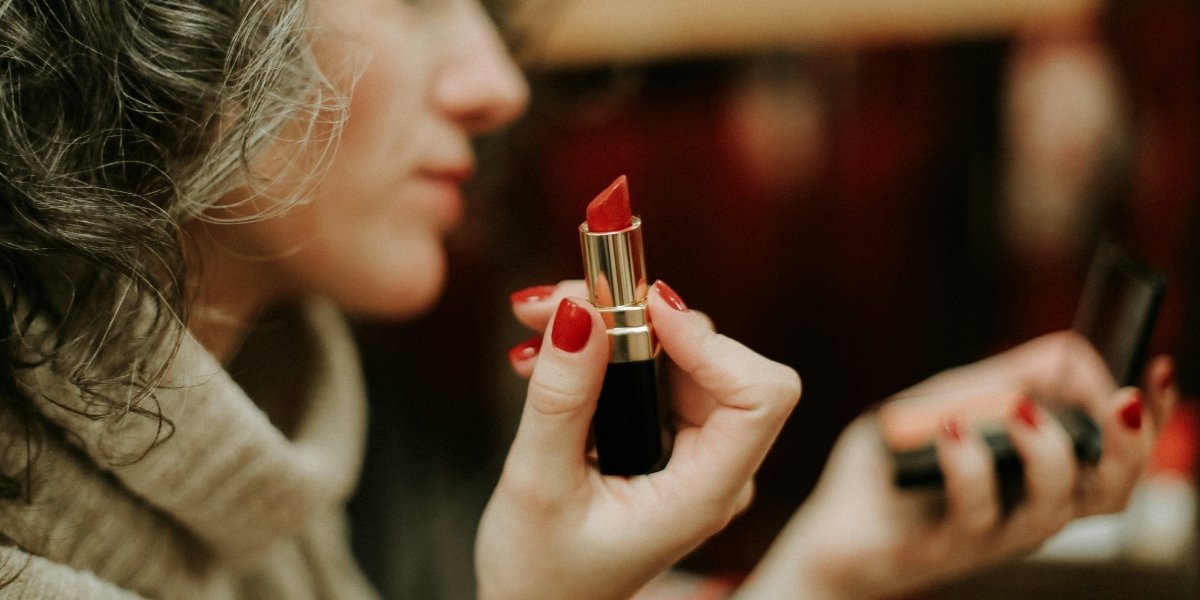
Lipstick, often viewed as just a cosmetic product, holds a profound significance that goes far beyond mere aesthetics. From its rich historical origins to its role in personal expression today, lipstick has become an iconic symbol of beauty, power, and identity. This article delves into the colorful history of lipstick, its cultural symbolism, the science behind its formulation, and its impact on personal style and identity.

Read Also: Surging Demand for Men’s Beauty Products

What Is the Colorful History of Lipstick?

The origins of lip color trace back thousands of years. In ancient civilizations such as Egypt, both men and women used pigments to decorate their lips, signifying beauty, social status, and even spiritual beliefs. Cleopatra famously used crushed beetles to create a deep red lip stain, symbolizing power and royalty. The use of lip color wasn’t limited to Egypt; the Greeks and Romans also adorned their lips with pigments derived from plants and minerals.

Throughout history, lipstick’s meaning has evolved. In the 18th century, European women used lip color to display wealth and beauty, as pigments were expensive and reserved for the elite. However, in the 20th century, lipstick became more democratic, with mass production allowing women from all walks of life to access the product. The rise of Hollywood glamour in the 1920s cemented lipstick as a tool for feminine allure and sophistication.

How Has Lipstick Become a Cultural Symbol?

Lipstick has held many symbolic meanings across various cultures and eras. Traditionally, it has been seen as a symbol of femininity and beauty, with red lipstick, in particular, associated with power, sexuality, and confidence. From the bold lips of 1920s flappers to the glamour of Marilyn Monroe in the 1950s, lipstick has been used to evoke a sense of boldness and independence.

However, lipstick’s symbolism goes beyond beauty. It has also been a tool of rebellion and resistance. During wartime, women used lipstick as a form of empowerment, asserting their strength and presence in a world dominated by men. The feminist movements of the 1960s and 70s also adopted lipstick as a statement of defiance against traditional beauty norms, as women claimed ownership over their own bodies and appearances.

Interestingly, lipstick has also been associated with mourning and respect in certain cultures. In some parts of the world, dark-colored lipsticks are worn during periods of grief, signifying strength and resilience.

What’s Behind the Science of Lipstick Formulation?

Creating the perfect lipstick requires an intricate balance of ingredients, formulation processes, and a keen understanding of texture, color, and longevity. The primary components of lipstick include waxes, oils, pigments, and sometimes emulsifiers. Waxes like beeswax and candelilla wax give lipsticks their structure and help them stay in place. Oils, such as castor oil or jojoba oil, provide hydration and give the lipstick its smooth application.

Pigments are what give lipstick its color, ranging from natural mineral pigments to synthetic dyes. The type of pigment used will affect the opacity and vibrancy of the color. Different formulations—whether bullet lipsticks, liquid mattes, or lip stains—require varying amounts of these ingredients to achieve the desired finish.

For example, matte lipsticks often use more wax and less oil, giving them a long-lasting, non-shiny finish, while glossy formulations rely on higher oil content for that slick, shiny appearance. Advances in technology have also led to the creation of long-wear formulas that promise to stay on for hours without fading.

How Does Lipstick Reflect Personal Expression and Identity?

For many individuals, lipstick is a powerful tool for self-expression. The shade of lipstick someone chooses can reflect their mood, style, and even their personality. Bold reds might suggest confidence and power, while soft pinks can convey a more approachable and feminine aesthetic. The way lipstick is applied can also send a message—overlined lips might make a statement of glamour or even defiance, while a natural, subtle application might suggest a more minimalist approach.

Lipstick also plays a significant role in enhancing one’s natural features. Many people use it to complement their overall makeup, drawing attention to their lips and enhancing their facial features. This practice allows individuals to feel empowered, confident, and in control of their image.

Interestingly, lipstick also plays a role in shaping our identities, both individually and socially. It can be a marker of cultural belonging or a way to align oneself with a particular group or aesthetic. For example, individuals who embrace retro fashion might gravitate toward vintage red lipstick, while those who follow current trends may prefer more experimental shades like deep purples or metallic finishes.

How Does Lipstick Influence the Beauty Industry and Trends?

The beauty industry has made lipstick a central pillar of its marketing and product offerings. From the early 20th century to today, lipstick has undergone constant innovation in terms of color, texture, and formulation. Celebrity endorsements and collaborations with famous makeup artists have made lipstick an essential beauty product in the modern world.

In the 21st century, trends around lipstick have evolved significantly. The rise of social media has created a platform for influencers and beauty gurus to showcase new lipstick colors and application techniques. Matte lipstick, for example, rose to massive popularity due to influencers, while glossy, tinted formulas have become a trend with younger audiences.

Seasonal collections, limited-edition shades, and celebrity-designed lipsticks have made lipstick a key part of personal branding, with consumers eagerly purchasing new shades to stay on-trend.

What Impact Does Lipstick Have Beyond the Surface?

Lipstick is not only a beauty product but also a tool of empowerment and a driver of economic growth. Historically, lipstick has been linked to women’s empowerment, serving as an emblem of independence, confidence, and social presence. The act of wearing lipstick, for many, is an expression of taking control of their own appearance and embracing their femininity.

The lipstick industry also has significant social and economic impact. It plays a crucial role in the global beauty market, generating billions of dollars annually. As awareness of environmental concerns grows, the beauty industry has also started to adapt by producing more eco-friendly lipstick options, including those made with sustainable ingredients and packaging.

Moreover, lipstick continues to challenge beauty standards, allowing people to redefine what beauty means on their terms. By making lipstick more accessible and inclusive, the beauty industry has opened the door for people of all genders, ethnicities, and ages to find shades that empower them.

Read Also: Vintage Swimwear Revival: Retro Stage Brings Back Classic Styles

Lipstick’s Multifaceted Legacy

Lipstick is far more than a simple cosmetic. Throughout history, it has been a symbol of power, rebellion, femininity, and personal expression. As the beauty industry continues to innovate, lipstick remains a central figure in how we define beauty, identity, and culture. It serves as a reminder that beauty products, no matter how small, have the power to shape societal norms and personal identities, leaving a lasting impact on the world.

Surging Demand for Men’s Beauty Products

The beauty industry is witnessing a significant shift as the demand for men’s beauty products continues to rise. Traditionally dominated by women’s products, the market is now expanding to cater to the growing interest in male grooming and self-care. This trend is driven by changing societal norms, increased awareness of personal hygiene, and the influence of social media.

What Is Driving the Increased Demand for Men’s Beauty Products?

Several factors contribute to the rising demand for men’s beauty products. One of the primary drivers is the growing awareness among men about the importance of personal grooming. With the rise of social media and the influence of celebrities and influencers, men are becoming more conscious of their appearance and the need to maintain a healthy, youthful look. This shift in mindset has led to an increased interest in skincare, haircare, and grooming products specifically designed for men.

Another factor is the changing societal norms that no longer view grooming as exclusively a female concern. Men are now encouraged to take care of their skin, hair, and overall appearance, leading to a broader acceptance of beauty products for men. This shift is also reflected in the marketing strategies of beauty brands, which are now targeting male consumers with tailored products and campaigns.

What Are the Key Trends in Men’s Beauty Products?

The men’s beauty market is evolving rapidly, with several key trends shaping the industry. One prominent trend is the focus on natural and sustainable ingredients. Men are increasingly looking for products that are free from harmful chemicals and made from natural, eco-friendly materials. Brands are responding to this demand by developing formulations that are both effective and environmentally friendly.

Personalized skincare is another emerging trend. Men’s skin has different needs compared to women’s, and there is a growing demand for products that cater to specific skin types and concerns. This has led to the development of customized skincare routines and products that address issues such as acne, dryness, and aging.

Innovative packaging is also playing a significant role in attracting male consumers. Brands are designing sleek, minimalist packaging that appeals to men and fits seamlessly into their grooming routines. This approach not only enhances the product’s aesthetic appeal but also makes it more convenient for men to use.

How Are Brands Adapting to the Growing Market?

To capitalize on the growing demand for men’s beauty products, brands are adopting various strategies. One approach is to educate consumers about the benefits of grooming and skincare. Through social media campaigns, tutorials, and influencer partnerships, brands are raising awareness and encouraging men to incorporate beauty products into their daily routines.

Another strategy is to expand distribution channels. Men’s beauty products are now available in a wider range of retail outlets, including supermarkets, pharmacies, and online stores. This increased accessibility makes it easier for men to find and purchase the products they need.

Collaborations with male influencers and celebrities are also becoming common. By partnering with well-known figures in the beauty and fashion industry, brands can reach a larger audience and build credibility with male consumers.

What Does the Future Hold for Men’s Beauty Products?

The future of the men’s beauty market looks promising, with continued growth expected in the coming years. As societal norms continue to evolve and more men embrace grooming and self-care, the demand for men’s beauty products will likely increase. Brands that stay ahead of the curve by offering innovative, high-quality products and engaging marketing strategies will be well-positioned to succeed in this expanding market.

The rising demand for men’s beauty products reflects a broader shift in societal attitudes towards male grooming and self-care. With the right strategies and products, brands can tap into this growing market and meet the evolving needs of male consumers. As the industry continues to grow, the future looks bright for men’s beauty products and the brands that cater to them.

How to Build a Hair Care Routine for Healthy, Beautiful Hair

Hair care is an essential part of daily self-care, yet it can often be overwhelming to navigate the multitude of products and techniques available. Whether you’re seeking solutions for specific hair concerns or simply want to refine your hair care routine, understanding what your hair needs is key to achieving healthy, shiny, and manageable strands. In this guide, we’ll explore essential hair care routines, the best products for every hair type, and styling tips to keep your hair looking its best every day.

What is the Best Hair Care Routine for Healthy Hair?

Creating a solid hair care routine is the foundation of achieving healthy, vibrant hair. The best routine depends on your hair type and specific needs, but generally, there are a few key steps that should be followed. Cleansing, conditioning, and hydration are at the core of any good routine.

Cleansing: Use a gentle shampoo suited for your hair type. Those with oily hair might benefit from a clarifying shampoo, while dry or curly hair types may need a moisturizing shampoo that nourishes and hydrates the scalp.

Conditioning: After shampooing, always use a conditioner. This step locks in moisture and helps detangle the hair. If you have dry or damaged hair, consider deep conditioning once a week for an added boost of hydration and nourishment.

Hydration and Treatment: Consider adding a leave-in conditioner or hair oil to your routine, especially if you struggle with frizz or dryness. These products provide an extra layer of moisture and protection.

Regularly trimming your hair to remove split ends also contributes to a healthier look and feel. Try to get a trim every six to eight weeks to maintain your hair’s health.

How Do Hair Products Affect Hair Health and Styling?

Choosing the right hair products for your specific hair type and needs is essential in ensuring that your strands stay healthy, strong, and shiny. Whether you’re looking to add volume, enhance curls, or reduce frizz, there’s a product designed to address your unique hair care needs.

Shampoos and Conditioners: The foundation of your hair care routine should be your shampoo and conditioner. When selecting these products, focus on those that suit your hair texture. If you have fine or flat hair, look for volumizing formulas. On the other hand, if you have curly or coarse hair, hydrating and moisturizing products will help keep your curls defined and frizz-free.

Hair Oils and Serums: These can be transformative for those with dry or damaged hair. Argan oil, coconut oil, and jojoba oil are popular for nourishing the scalp and hair, adding shine and taming frizz. Applying oils to the ends of your hair can also help to prevent split ends and add a glossy finish.

Leave-In Treatments and Masks: If your hair is particularly damaged, you might benefit from deep conditioning masks and leave-in treatments that provide intense moisture and repair. These treatments can be used once or twice a week for rejuvenated, stronger hair.

Hair Styling Products: Depending on your desired style, you may want to incorporate styling products such as mousse, gel, or hairspray. Mousse is excellent for adding volume and texture to fine hair, while gel is great for slick styles or curls. Hairspray can help lock your style in place without weighing it down.

What Are the Best Tips for Styling Hair?

Styling your hair is about more than just following the trends—it’s about choosing techniques and products that complement your hair type. Here are a few styling tips for creating beautiful looks that last:

Heat Protection: If you’re using heat styling tools such as flat irons, curling irons, or blow dryers, always apply a heat protectant spray before styling. This will help reduce damage caused by high temperatures and keep your hair healthy over time.

Drying Techniques: When drying your hair, avoid rubbing it with a towel, as this can cause breakage. Instead, gently blot the hair or use a microfiber towel. If you use a blow dryer, opt for a cool setting to avoid heat damage.

Curling and Straightening: When using heat to curl or straighten your hair, be sure to set the temperature to the lowest effective level. Excessive heat can lead to dryness and split ends, particularly for finer hair types.

Natural Styles: Embrace your natural texture! If you have curly hair, use products that enhance your curls without weighing them down. For straight or wavy hair, a light mousse can add volume and texture without a heavy, sticky feeling.

Updos and Braids: On days when you’re short on time, a simple braid or top knot can help keep hair out of your face while looking chic. Be mindful of hair accessories—tight elastics or overuse of pins can cause hair damage and breakage over time.

How Can You Solve Common Hair Concerns?

Hair concerns are common, but the right routine and products can help address and prevent them. Let’s look at a few of the most frequent issues people encounter.

Dryness and Frizz: If your hair feels dry or frizzy, a deep conditioning mask can restore moisture. For frizzy hair, use a leave-in conditioner or hair serum to lock in hydration and smooth out the hair cuticle. Oils like argan oil or shea butter can also help tame frizz and add shine.

Hair Loss: While hair loss can be caused by various factors, from stress to hormonal imbalances, there are several products on the market that promote scalp health and encourage hair growth. Look for shampoos and serums that contain biotin, caffeine, or minoxidil, which are known to support hair growth.

Dull Hair: Dull hair can be a sign of product buildup or lack of moisture. Clarifying shampoos can help remove buildup, while hydrating treatments can add shine. To keep hair looking vibrant, use a shiny finishing serum after styling to give it that extra glow.

Split Ends: Regular trims are essential for avoiding split ends. However, in between salon visits, you can help prevent them by using a split-end serum or hair oil to keep the ends moisturized and protected.

How Are Hair Care Trends Evolving?

The world of hair care is seeing a rise in sustainable beauty practices and products. Many consumers are turning to eco-friendly and clean hair care brands that offer products free from harmful chemicals. This trend is driven by growing awareness of the environmental impact of beauty products, as well as the desire to make healthier choices for both the hair and the planet.

The multifunctional products trend is also gaining popularity. Consumers now seek shampoos and conditioners that do more than just clean; they want products that nourish, protect, and provide additional benefits, such as UV protection or color-enhancing properties. Hair care brands are responding by creating all-in-one formulas that save time and reduce the need for multiple products.

Personalization is a huge trend. Brands are increasingly offering customized hair care solutions, allowing consumers to choose products based on their unique hair type, concerns, and goals. This trend reflects a shift towards more individualized and tailored hair care.

Top Ab Exercises for Beginners: Simple and Effective

Starting your fitness journey can be both exciting and overwhelming, especially when it comes to ab exercises. For those new to the gym, the idea of targeting the core might seem daunting. However, achieving a strong core doesn’t require advanced movements or complicated routines. In fact, the best ab exercises for beginners are simple, effective, and easy to perform. In this article, we’ll explore three fundamental movements—crunches, planks, and leg raises—that can build the foundation for a strong, toned midsection.

What Are Crunches and How Can They Help Beginners?

Crunches are one of the most basic yet effective ab exercises you can do. They focus primarily on your rectus abdominis, the muscle that runs down the front of your abdomen. The great thing about crunches is that they don’t require any special equipment—just a mat and your body weight. For beginners, they serve as a great introduction to core strengthening exercises, helping to build stability and endurance over time.

To perform a basic crunch, lie flat on your back with your knees bent and feet flat on the ground. Place your hands lightly behind your head (but avoid pulling on your neck). Engage your core and slowly lift your upper body toward your knees, keeping your lower back pressed into the floor. Exhale as you lift, then lower yourself back down in a controlled motion. Repeat this for 10-15 reps per set.

Why are crunches great for beginners? They are simple and allow you to focus on proper form without feeling overwhelmed. By starting with crunches, you’ll build the necessary strength and control to progress to more advanced ab exercises down the road.

How Can Planks Help Strengthen the Core for New Gym-Goers?

Planks are another core exercise that’s both simple and effective for beginners. This exercise is fantastic because it works multiple muscle groups, including your abdominals, lower back, and even your shoulders. Planks also help with posture and balance, both of which are crucial for overall fitness and injury prevention.

To perform a basic plank, start by getting into a push-up position, but instead of resting on your hands, lower your forearms to the ground. Your body should form a straight line from your head to your heels, with your elbows directly beneath your shoulders. Engage your core, keep your body tight, and hold the position for 20-30 seconds. As you progress, you can gradually increase the time.

Why are planks so effective for beginners? They don’t involve any complex movements, and they help develop core endurance that supports nearly every other exercise. As you hold the plank position, you’re not just building ab muscles, but also enhancing full-body stability, making it a crucial part of any fitness routine.

What Are Leg Raises and Why Are They Great for Beginners?

Leg raises are another beginner-friendly exercise that primarily targets the lower abdominals. While many ab exercises focus on the upper portion of the core, leg raises help you strengthen the lower region, which can be especially challenging for new gym-goers.

To perform a leg raise, start by lying flat on your back with your arms by your sides or under your hips for support. Keep your legs straight and raise them toward the ceiling while keeping your back pressed into the floor. Slowly lower your legs back down without letting them touch the ground. It’s important to keep your movements controlled and avoid arching your back.

Why are leg raises ideal for beginners? They’re simple, low-impact, and target a part of the core that is often neglected in other exercises. Plus, the movement can be easily modified—if straight-leg raises are too challenging at first, you can bend your knees to make the exercise more manageable. As you get stronger, you can work toward straight-leg raises and increase the number of repetitions.

How Can Beginners Progress with Ab Exercises?

The key to progressing with ab exercises for beginners is consistency. Start with a few sets of each exercise—like crunches, planks, and leg raises—and gradually increase the intensity over time. Aim for 3-4 workouts per week, with a focus on maintaining proper form and engaging your core throughout each movement.

It’s also important to remember that ab exercises alone aren’t enough for visible results. A well-rounded fitness routine that includes cardiovascular exercise, strength training, and proper nutrition will help reveal the muscles you’re working to build. Remember, consistency is the key to success. Start slow, be patient with your progress, and celebrate small wins along the way.